
Luna Clinic Turkey ✔ Verified
Şişli, Turkey · 888 clinic reviews
9.4FlymediScore
TURSABMOHESCADTTB
Speaks EN · FR +6
Figures are ranges, not promises. Suitability needs an individual assessment by a doctor.
Each clinic sets its own price, so check what the price includes before comparing two of them.


Şişli, Turkey · 888 clinic reviews
Speaks EN · FR +6


Şişli, Turkey · 435 clinic reviews
Speaks EN · FR +6


Bakırköy, Turkey · 30 clinic reviews
Speaks EN · FR +3


Sarıyer, Turkey · 22 clinic reviews
Speaks BG · EN +7


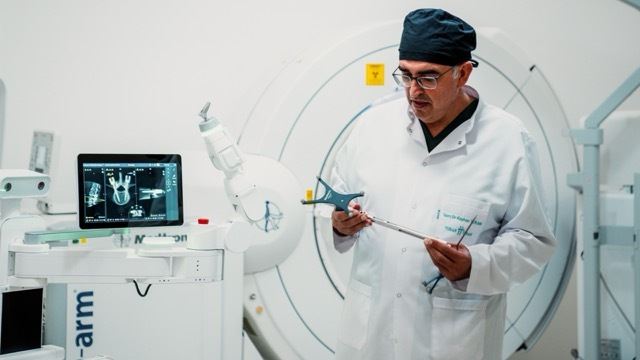

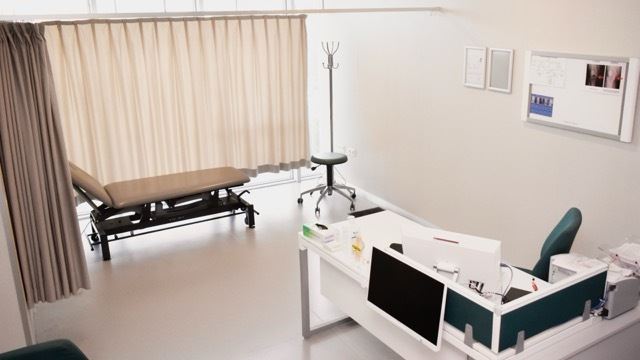
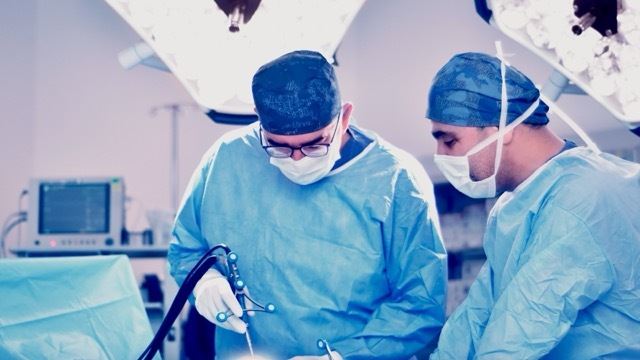



Guadalajara, Mexico · 8 clinic reviews
Speaks EN · ES





Bangkok, Thailand · 10 clinic reviews
Speaks EN · TH





Bangkok, Thailand · 10 clinic reviews
Speaks EN · TH
Clinics are scored and ordered by Flymedi. How ranking works.
Patients treated through Flymedi, in their own words. Nothing loads or plays until you press play.
Alex
Septoplasty
Spoken in EnglishSource: YouTube
Laura
Dental implants
Spoken in EnglishSource: YouTube
Louren
Gastric sleeve
Spoken in EnglishSource: YouTube
Mark Chambarlein
Hair transplant
Spoken in EnglishSource: YouTube
Josephine Nyella
Limb lengthening surgery
Spoken in EnglishSource: YouTube
Youssef
Rhinoplasty
Spoken in EnglishSource: YouTube
Helen Totsis
Dental implants
Spoken in EnglishSource: YouTube
Jacqueline Davies
Gastric sleeve
Spoken in EnglishSource: YouTube
Anıl Chopra
FUE hair transplant
Spoken in EnglishSource: YouTube
Damon
Gynecomastia
Spoken in EnglishSource: YouTube
Stem cell therapy abroad is a cutting-edge regenerative medicine treatment that uses the body's own healing mechanisms to repair damaged tissues, reduce inflammation, and restore function. This innovative procedure harnesses specialized cells that can develop into various tissue types, offering hope to patients with orthopedic injuries, autoimmune diseases, neurological conditions, and age-related degenerative disorders. International patients increasingly choose stem cell treatment overseas to access advanced protocols that may be unavailable or cost-prohibitive in their home countries.
Seeking stem cell therapy abroad has become a trusted solution for patients who have exhausted conventional treatment options or face lengthy wait times. Leading medical tourism destinations offer state-of-the-art stem cell therapy centers abroad staffed by highly qualified specialists with extensive experience in regenerative medicine. These facilities provide access to the latest therapeutic protocols, often at 50-70% lower costs than in the United States, Canada, or Western Europe. With comprehensive treatment packages typically ranging from €5,000 to €25,000, international patients benefit from significant savings without compromising quality of care.
The advantages extend beyond affordability. Patients choosing advanced stem cell therapy abroad enjoy dramatically reduced wait times—often scheduling procedures within weeks rather than months or years. International clinics pride themselves on meeting or exceeding global medical standards, featuring cutting-edge technology and sterile environments that ensure patient safety. Many destinations also offer convenient proximity for North American patients, minimizing travel time while maximizing access to specialized care.
Understanding stem cell therapy abroad cost is essential for planning your medical journey. Most reputable clinics provide transparent, all-inclusive packages covering initial consultations, pre-treatment evaluations, the procedure itself, physician fees, post-procedure medications, and follow-up care. Some packages even include airport transfers, accommodation, and translation services, ensuring a seamless experience from arrival to recovery.
Recovery from stem cell therapy is typically swift and minimally invasive. Most patients return to normal activities within days, with the full regenerative benefits becoming apparent over three to six months. The procedure itself takes just a few hours, and typical stays abroad range from five to ten days, allowing for thorough evaluation and immediate post-treatment monitoring.
Ready to take the next step? Scroll down to explore our top-rated clinics for Stem Cell Therapy Abroad.
The global market for regenerative medicine, including stem cell therapy, is expanding rapidly, with projections reaching over $150 billion by 2030. This growth is fueled by patients like you who are increasingly looking beyond their home borders for innovative treatments. Many individuals choose to pursue stem cell therapy abroad to access advanced procedures that may not be widely available or are prohibitively expensive in their own countries. This guide will provide you with the essential information you need to make an informed decision about seeking stem cell treatment overseas.
Opting for treatment in a foreign country can seem daunting, but the advantages often make it a compelling choice. When you choose to have your procedure abroad, you can access a unique combination of high-quality medical care, advanced technology, and significant cost savings.
Many international clinics are at the forefront of regenerative medicine. They often have access to protocols and advanced stem cell therapy abroad that may still be in clinical trial phases or unavailable in other regions. This gives you the opportunity to benefit from the latest scientific breakthroughs in treating chronic conditions, injuries, and age-related diseases.
One of the most significant benefits is the financial aspect. The cost of medical procedures in countries like the US, Canada, or the UK can be exceptionally high. By traveling abroad, you can often receive the same, or even superior, quality of care for a fraction of the price, even after factoring in travel and accommodation expenses.
In many national healthcare systems, the waiting lists for specialized procedures can be months or even years long. Stem cell therapy centers abroad typically have much shorter wait times, allowing you to receive the treatment you need promptly. This can be crucial for conditions where early intervention leads to better outcomes.
Leading medical tourism destinations pride themselves on their state-of-the-art hospitals and clinics that meet or exceed international standards. You will often be treated by highly qualified specialists with extensive experience in regenerative medicine, ensuring you receive expert care throughout your journey.
Understanding the financial investment is a crucial part of your planning. While prices vary depending on the condition being treated, the type of stem cells used, and the number of sessions required, the stem cell therapy abroad cost is significantly lower than in many Western countries. On average, you can expect comprehensive treatment packages to range from €5,000 to €25,000. This often represents a savings of 50-70% compared to prices in the United States or Western Europe.
To ensure transparency and help you budget effectively, most reputable clinics offer all-inclusive packages. While the specifics can vary, a typical treatment package usually includes:
Stem cell therapy is a powerful tool, but it is not suitable for everyone. To determine if you are a good candidate, medical professionals will conduct a thorough evaluation. Generally, you may qualify for treatment if you meet the following criteria:
Embarking on a medical journey overseas requires careful planning. Taking the right steps will ensure your experience is safe, smooth, and successful. Here are key tips for choosing the right clinic for your stem cell treatment overseas.
Stem cell therapy is a form of regenerative medicine designed to repair and regenerate damaged tissues in your body. Stem cells are unique because they have the natural ability to develop into many different types of cells, such as muscle, bone, cartilage, or nerve cells. When introduced into a specific area of the body, they can help reduce inflammation, promote healing, and restore function that has been lost due to injury, disease, or aging.
Recovery from stem cell therapy is generally much faster and less intensive than surgical procedures. However, the timeline can vary based on your condition and the treatment area.
The process is straightforward and designed for your safety and comfort. It typically involves four main stages.
Your journey begins with a thorough consultation. During this phase, the medical team will review your health history, conduct diagnostic tests (like MRIs or blood work), and discuss your treatment goals to confirm your eligibility.
In the days leading up to your treatment, you will be given specific instructions. This may include temporarily stopping certain medications (like anti-inflammatories), avoiding alcohol, and staying well-hydrated.
The procedure itself is minimally invasive. Depending on the source, stem cells may be collected from your own body (autologous) or obtained from a screened donor (allogeneic). They are then concentrated and prepared in a lab before being administered to the target area, usually through a precise injection or an intravenous (IV) infusion.
After your procedure, the clinic will monitor you for a short period to ensure there are no immediate adverse reactions. You will receive detailed post-treatment instructions. Reputable clinics will schedule follow-up calls or video conferences to check on your progress once you have returned home.
The cost difference for stem cell therapy is one of the primary reasons patients travel. Here is a general comparison to illustrate the potential savings.
*Note: These are estimates and can vary widely based on the clinic, country, and complexity of the treatment.
Stem cell therapy is considered very safe, especially when using your own cells (autologous). However, like any medical procedure, there are potential side effects, which are typically mild and temporary.
Patient outcomes and satisfaction rates for stem cell therapy are overwhelmingly positive for a wide range of conditions. A comprehensive review published in the Journal of Clinical Medicine noted that a majority of patients undergoing stem cell therapy for orthopedic conditions reported significant reductions in pain and improvements in function. While results are not guaranteed and can vary, many patients experience enhanced quality of life, reduced reliance on medication, and a return to activities they once enjoyed.
Proper preparation can help optimize your results and ensure a smooth recovery. Your clinic will provide specific guidelines, but general recommendations include:
What are stem cells?
Stem cells are the body's raw materials—special cells that can develop into many different cell types. They serve as an internal repair system, dividing to replenish other cells as long as a person is still alive.
Is stem cell therapy safe?
When performed by qualified professionals in a sterile environment, stem cell therapy is considered very safe with a low risk of complications.
Is the procedure painful?
The procedure is minimally invasive. Local anesthesia is used at the extraction and injection sites to minimize discomfort. You may feel some mild pressure or soreness afterward.
How long does the procedure take?
The entire process, from preparation to administration, typically takes a few hours.
What conditions can be treated with stem cell therapy?
Stem cell therapy is used to treat a wide range of conditions, including orthopedic injuries (arthritis, joint pain), autoimmune diseases, neurological disorders, and for anti-aging purposes.
Where do the stem cells come from?
Stem cells can be sourced from your own body (autologous), typically from bone marrow or adipose (fat) tissue, or from donated umbilical cord tissue (allogeneic).
How many treatments will I need?
This depends on your condition and its severity. Some patients achieve significant results with one treatment, while others may require multiple sessions.
Why is stem cell therapy cheaper abroad?
Lower operational costs, different regulatory environments, and competitive healthcare markets in medical tourism destinations contribute to the lower prices.
How do I choose a reputable clinic abroad?
Look for international accreditations, experienced doctors, positive patient reviews, and transparent pricing.
Will my insurance cover stem cell therapy abroad?
Most insurance plans do not cover stem cell therapy, as it is often considered an elective or investigational treatment. You should check directly with your provider.
What type of stem cells are the best?
The "best" type of stem cell depends on the condition being treated. Mesenchymal Stem Cells (MSCs) are widely used for their strong anti-inflammatory and regenerative properties.
How long do the results last?
The results can be long-lasting and even permanent, as the therapy aims to repair the underlying cause of the issue. However, the longevity of the results can be influenced by your lifestyle and the natural aging process.
Can stem cell therapy cure my condition?
Stem cell therapy is not a "cure" but a treatment that manages symptoms and promotes healing. Its goal is to improve function and quality of life.
Are there any age restrictions?
Generally, stem cell therapy is available for adults of all ages. Suitability is determined by overall health rather than age alone.
What happens after I return home?
Your clinic should provide a clear follow-up plan. This often includes scheduled remote check-ins and guidance on rehabilitation and lifestyle adjustments to support your recovery.
What are stem cells?
Stem cells are the body's raw materials—special cells that can develop into many different cell types. They serve as an internal repair system, dividing to replenish other cells as long as a person is still alive.
Is stem cell therapy safe?
When performed by qualified professionals in a sterile environment, stem cell therapy is considered very safe with a low risk of complications.
Is the procedure painful?
The procedure is minimally invasive. Local anesthesia is used at the extraction and injection sites to minimize discomfort. You may feel some mild pressure or soreness afterward.
How long does the procedure take?
The entire process, from preparation to administration, typically takes a few hours.
What conditions can be treated with stem cell therapy?
Stem cell therapy is used to treat a wide range of conditions, including orthopedic injuries (arthritis, joint pain), autoimmune diseases, neurological disorders, and for anti-aging purposes.
Where do the stem cells come from?
Stem cells can be sourced from your own body (autologous), typically from bone marrow or adipose (fat) tissue, or from donated umbilical cord tissue (allogeneic).
How many treatments will I need?
This depends on your condition and its severity. Some patients achieve significant results with one treatment, while others may require multiple sessions.
Why is stem cell therapy cheaper abroad?
Lower operational costs, different regulatory environments, and competitive healthcare markets in medical tourism destinations contribute to the lower prices.
How do I choose a reputable clinic abroad?
Look for international accreditations, experienced doctors, positive patient reviews, and transparent pricing.
Will my insurance cover stem cell therapy abroad?
Most insurance plans do not cover stem cell therapy, as it is often considered an elective or investigational treatment. You should check directly with your provider.
What type of stem cells are the best?
The "best" type of stem cell depends on the condition being treated. Mesenchymal Stem Cells (MSCs) are widely used for their strong anti-inflammatory and regenerative properties.
How long do the results last?
The results can be long-lasting and even permanent, as the therapy aims to repair the underlying cause of the issue. However, the longevity of the results can be influenced by your lifestyle and the natural aging process.
Can stem cell therapy cure my condition?
Stem cell therapy is not a "cure" but a treatment that manages symptoms and promotes healing. Its goal is to improve function and quality of life.
Are there any age restrictions?
Generally, stem cell therapy is available for adults of all ages. Suitability is determined by overall health rather than age alone.
What happens after I return home?
Your clinic should provide a clear follow-up plan. This often includes scheduled remote check-ins and guidance on rehabilitation and lifestyle adjustments to support your recovery.
Reviews left by patients treated through Flymedi for this treatment. Each one is written in the patient's own language.
I.· Stem cell therapy✓ Verified
5.0 · 21 February 2026
Received stem cell treatment here on my knees . My first time doing any kind of medical stuff outside of Aussie . The place was super clean modern and better than anything I’ve been in Australia . Doctor and staff were top notch. It’s only been a few days but feeling benefits already which not expected . Let’s see how it is in a few months … fingers crossed 🤞
T. from Romania· Stem cell therapy✓ Verified
5.0 · 20 February 2026
As a tennis lover,I play tennis a lot and came here for recovery. After stem cells treatment felt great! My joints feel lighter and less sore. Highly recommend!
W.· Stem cell therapy✓ Verified
5.0 · 18 February 2026
Panacee Hospital Rama 2 built a personalized cell therapy plan for me after reviewing my history and test results. They emphasized monitoring and follow-up, which made me feel confident. The process was smooth, and the team was professional from reception to nursing. I’d recommend them for anyone considering this kind of treatment.
P.· Stem cell therapy✓ Verified
5.0 · 18 February 2026
Great experience with my IV drip! The clinic is clean, cozy, and welcoming. Can’t wait to come back for another treatment.
30 reviews
Answers from the medical content team, reviewed by the medical reviewer named on this page.
Written by Abdulaziz Ali, Leading Medical Writer & Strategist at Flymedi. Medically reviewed by Abdulaziz Ali. Content updated 26 March 2026. Next scheduled review 26 March 2027.
This page is general information, not personal medical advice. It does not diagnose you and it does not replace an individual assessment by a doctor who has examined you.
Found something wrong or out of date on this page? Tell us and we will check it. Editorial standards and reviewer list: authors and reviewers.
Tell us about your case and a coordinator matches you with clinics that fit it.

