
Dr. Vivo Hair Clinic ✔ Verified
Beşiktaş, Turkey · 490 clinic reviews
9.2FlymediScore
Lead: Hair transplant, 13 years
TURSABESHRSMOH
Speaks EN · TR
FUE (follicular unit extraction) is a hair transplant technique in which the surgeon removes individual follicular units from the back and sides of the scalp and implants them where hair has thinned. This page explains who FUE suits, how it differs from DHI, what a price abroad does and does not include, and how to check the clinic and the person who operates before you travel.
Figures are ranges, not promises. Suitability needs an individual assessment by a doctor.
Each clinic sets its own price, so check what the price includes before comparing two of them.


Beşiktaş, Turkey · 490 clinic reviews
Speaks EN · TR


Şişli, Turkey · 888 clinic reviews
Speaks EN · FR +6
Send your details and a coordinator will tell you which clinics are appropriate for your case, and which are not.


Şişli, Turkey · 435 clinic reviews
Speaks EN · FR +6


Bangkok, Thailand · 15 clinic reviews
Speaks EN · TH


Şişli, Turkey · 48 clinic reviews
Speaks EN · SQ +14


Bağcılar, Turkey · 18 clinic reviews
Speaks AZ · BG +11


Ataşehir, Turkey · 60 clinic reviews
Speaks AZ · EN +6

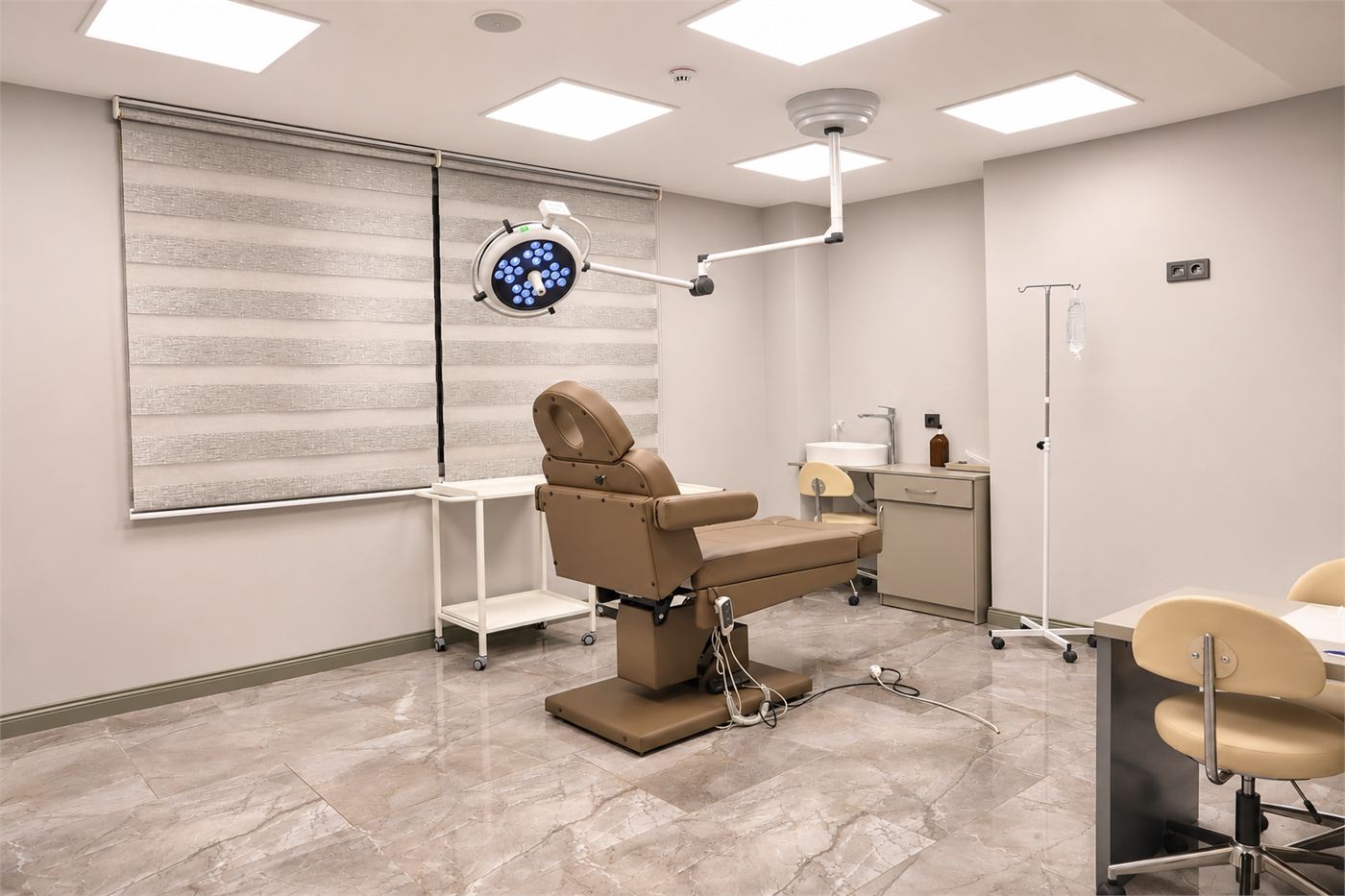



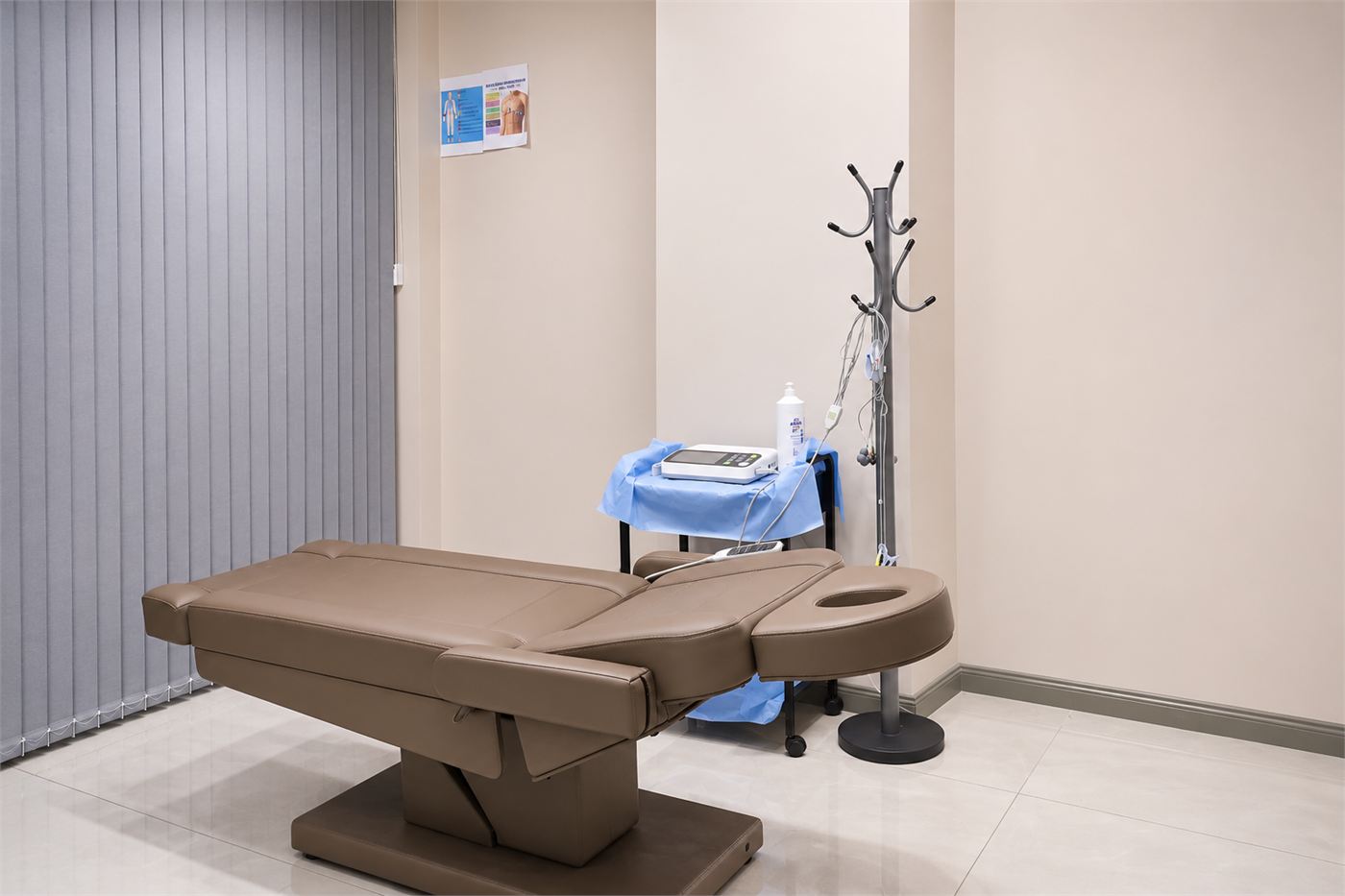
Istanbul, Turkey · 21 clinic reviews
Speaks RO · EN +7


Istanbul, Turkey · 15 clinic reviews
Clinics are scored and ordered by Flymedi. How ranking works.
Patients treated through Flymedi, in their own words. Nothing loads or plays until you press play.
Anıl Chopra
FUE hair transplant
Spoken in EnglishSource: YouTube
Alex
Hair transplant
Spoken in EnglishSource: YouTube
Mark Chambarlein
Hair transplant
Spoken in EnglishSource: YouTube
Sheoni & Jayden
Hair transplant
Spoken in EnglishSource: YouTube
Victor
Hair transplant
Spoken in EnglishSource: YouTube
Youssef
Rhinoplasty
Spoken in EnglishSource: YouTube
Laura
Dental implants
Spoken in EnglishSource: YouTube
Louren
Gastric sleeve
Spoken in EnglishSource: YouTube
Josephine Nyella
Limb lengthening surgery
Spoken in EnglishSource: YouTube
Damon
Gynecomastia
Spoken in EnglishSource: YouTube
Hair loss is a common concern that affects millions of people worldwide. For many, this can affect self-esteem and confidence. Follicular unit extraction (FUE) moves hair from the back and sides of the scalp to the areas that have thinned. More people now have an FUE hair transplant abroad, often because of the lower cost.
If you are considering this procedure, this guide will provide you with the essential information you need to make an informed decision. We will explore the benefits, destinations, costs, and how to choose the right clinic for your journey to hair restoration.
Choosing to have your FUE procedure in another country comes with a unique set of advantages that make it an attractive option for patients globally.
Ensuring your safety and the quality of your results starts with thorough research. When looking for a clinic for your FUE Hair Transplant abroad, you should prioritize institutions that are internationally accredited.
Start by looking for certifications from reputable organizations like the Joint Commission International (JCI), the International Organization for Standardization (ISO), or national health ministry accreditations. Accreditation shows that a hospital or clinic has been assessed against published standards. It does not tell you who will operate on you, so check that too.
Beyond accreditations, you should:
An FUE hair transplant is an effective solution, but it is not suitable for everyone. You are likely an ideal candidate if you meet the following criteria:
When making your decision, focus on these key factors to ensure a safe and successful outcome:
Visa requirements vary by country and your nationality. However, for a medical visa, you will generally need to provide the following:
Always check the official embassy or consulate website of your destination country for the most accurate and up-to-date requirements.
Photos supplied by the clinics that performed the treatment, with patient consent. Each photo is credited to its clinic.
Reviews left by patients treated through Flymedi for this treatment. Each one is written in the patient's own language.
D.· FUE hair transplant✓ Verified
5.0 · 30 June 2026
My main issue was severe thinning on the vertex/crown area while my front hairline was mostly okay. Dr. VIVO’s team performed a Sapphire FUE session paired with PRP therapy to boost the existing follicles. The clinic facility is super modern and squeaky clean, felt like a high-end private medical center. 4 months in and the crown area is filling in nicely with no visible scarring at the back. Worth every single penny! 👍
L.· FUE hair transplant✓ Verified
5.0 · 14 February 2026
I wasn’t sure about FUT vs FUE, but they explained pros/cons clearly for my hair type and donor area. I ended up choosing FUE and felt comfortable with the decision. Staff were friendly and the clinic was clean.
N.· FUE hair transplant✓ Verified
5.0 · 9 February 2026
Did an FUE hair transplant at Intrarat Hospital. The team was organized from start to finish—marking, local anesthesia, then graft placement. It’s a long day but they took good care of me and gave detailed aftercare instructions. I’m only a few weeks in but healing has been smooth so far.
G. from Romania· FUE hair transplant✓ Verified
5.0 · 9 February 2026
I wasn’t sure which method to choose, but the team explained the pros/cons in a way I could understand. I went with FUE and the experience was smooth. The clinic checked in after the procedure and answered questions quickly.
125 reviews
Answers from the medical content team, reviewed by the medical reviewer named on this page.
Your surgeon will administer local anesthesia to numb both the donor and recipient areas. Hair follicles are then extracted one by one from the donor area using a micro-punch tool. These grafts are preserved in a special solution while the surgeon creates tiny incisions in the recipient area. Finally, the grafts are carefully inserted into these incisions.
While shaving the donor area is standard for efficient graft extraction, some surgeons offer "unshaven" or "partially shaven" FUE options. You should discuss this with your surgeon during the consultation to see if you are a suitable candidate.
Initial recovery takes about 10 to 14 days, during which any scabs will fall off. You can usually return to work within 3 days. You should avoid strenuous activity for at least 4 weeks.
You will start to notice new hair growth after about 3 to 4 months. However, it takes 12 to 15 months to see the full, final results as the transplanted hair matures and thickens.
A week before surgery, you should stop taking blood thinners like Aspirin. Avoid smoking and alcohol for at least 24 hours before the procedure, as they can affect healing. Be sure to inform your surgeon of any allergies or chronic medical conditions you have.
You should avoid brushing or combing the transplanted area for at least 3 weeks to ensure the new grafts are secure.
You should not wash your hair for the first three days. Your clinic will provide you with specific instructions and a special shampoo for your first wash, which is often done at the clinic.
Yes. One of the primary advantages of the FUE technique is the ability to create incredibly natural-looking results. A skilled surgeon will place the grafts at the correct angle and density to mimic your natural hair growth pattern.
The number of grafts you need depends on the extent of your hair loss, the quality of your donor area, and your desired density. This will be determined during your consultation with the surgeon.
An all-inclusive package typically includes the FUE procedure, surgeon's fees, anesthesia, pre- and post-operative consultations, accommodation for a set number of nights, and airport-hotel-clinic transfers.
Clinics that treat international patients usually have multilingual staff, including patient coordinators and translators, to ensure communication is clear and easy throughout your journey.
Written by Akya Karahan, Junior Content Marketing Specialist at Flymedi. Medically reviewed by Dr. Mehmet Dogruer. Content updated 25 November 2025. Next scheduled review 25 November 2026.
This page is general information, not personal medical advice. It does not diagnose you and it does not replace an individual assessment by a doctor who has examined you.
Found something wrong or out of date on this page? Tell us and we will check it. Editorial standards and reviewer list: authors and reviewers.
Tell us about your case and a coordinator matches you with clinics that fit it.


