
Voice masculinization surgery in Thailand
Voice masculinization surgery, better known as voice deepening surgery, lowers the pitch of the speaking voice by slackening the vocal cords or adding bulk to them. It is a real operation, it is far less common than voice feminization surgery, and for most trans men testosterone does the job first. This page explains who it is for, what a Type III thyroplasty and an injection can and cannot change, what moves the price at a Bangkok hospital, and how to get through a long flight home while you are not allowed to speak.
Read more
Voice masculinization surgery, better known as voice deepening surgery, lowers the pitch of the speaking voice by slackening the vocal cords or adding bulk to them. It is a real operation, it is far less common than voice feminization surgery, and for most trans men testosterone does the job first. This page explains who it is for, what a Type III thyroplasty and an injection can and cannot change, what moves the price at a Bangkok hospital, and how to get through a long flight home while you are not allowed to speak.
Medically reviewed by Dr. Hasan Duygulu, Ear, nose and throat. Written by Abdulaziz Ali.
Updated 15 September 2024 · Editorial standards
Updated 15 September 2024 · Editorial standards
Voice masculinization surgery in Thailand at a glance
Figures are ranges, not promises. Suitability needs an individual assessment by a doctor.
Voice masculinization surgery clinics in Thailand
Each clinic sets its own price, so check what the price includes before comparing two of them.









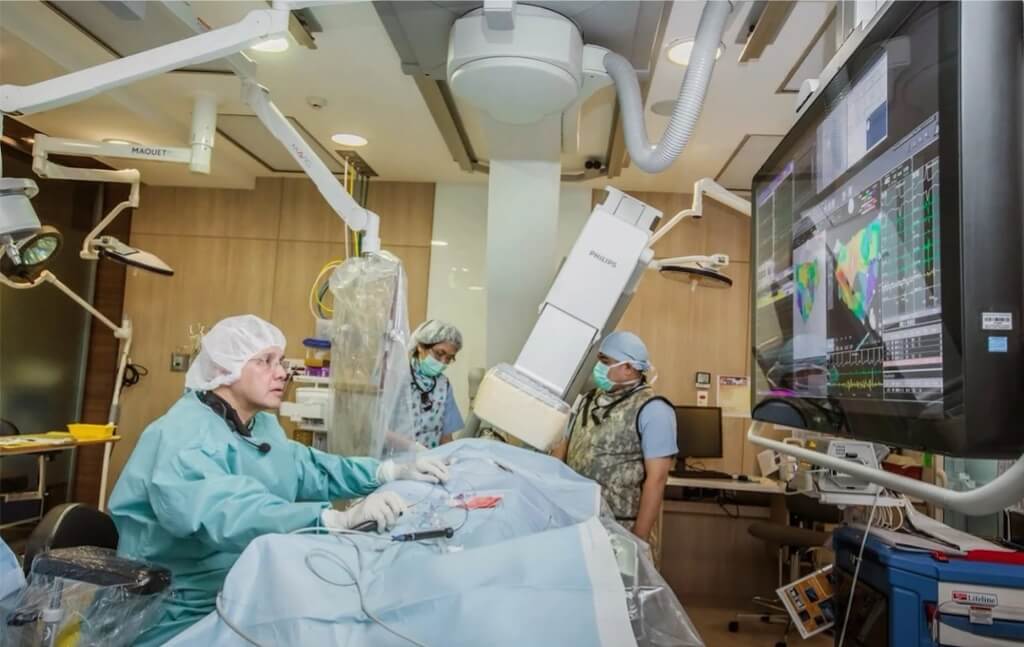
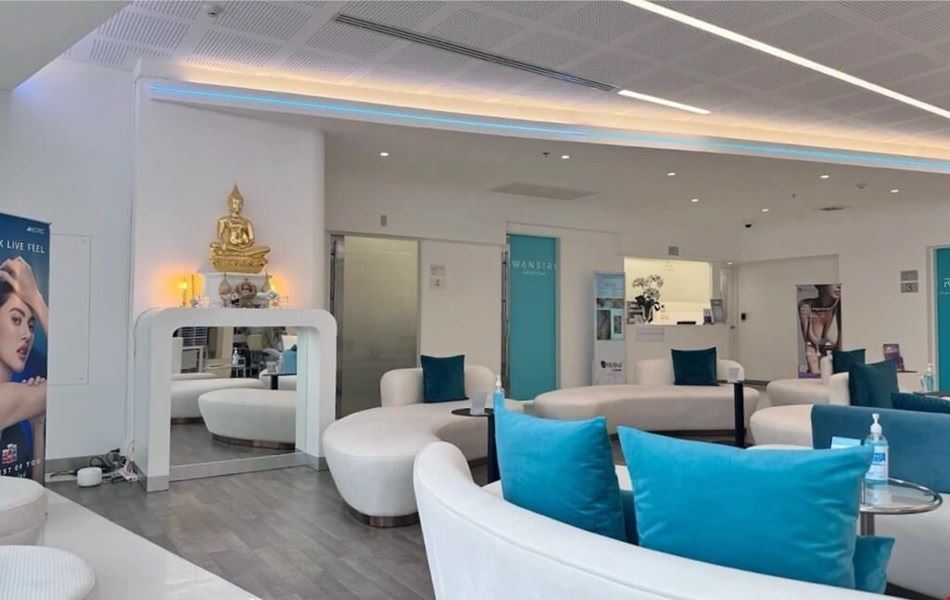
Bumrungrad International Hospital ✔ Verified
Bangkok, Thailand · 10 clinic reviews
9.5FlymediScore
Speaks EN · TH
Not sure which of these clinics fits your case?
Send your details and a coordinator will tell you which clinics are appropriate for your case, and which are not.





Clinics are scored and ordered by Flymedi. How ranking works.
Patient stories
Patients treated through Flymedi, in their own words. Nothing loads or plays until you press play.
Kratos
Voice masculinization surgery
Spoken in EnglishSource: YouTube
Alex
Septoplasty
Spoken in EnglishSource: YouTube
Laura
Dental implants
Spoken in EnglishSource: YouTube
Louren
Gastric sleeve
Spoken in EnglishSource: YouTube
Mark Chambarlein
Hair transplant
Spoken in EnglishSource: YouTube
Josephine Nyella
Limb lengthening surgery
Spoken in EnglishSource: YouTube
Youssef
Rhinoplasty
Spoken in EnglishSource: YouTube
Helen Totsis
Dental implants
Spoken in EnglishSource: YouTube
Jacqueline Davies
Gastric sleeve
Spoken in EnglishSource: YouTube
Anıl Chopra
FUE hair transplant
Spoken in EnglishSource: YouTube
Reviews on Trustpilot
Why are these clinics ranked this way?
Clinics are scored from patient reviews and ordered by Flymedi. The facts behind each position are listed below. How ranking works.
| Rank | Clinic | FlymediScore | Lead doctor | Experience | From | Why it is ranked here |
|---|---|---|---|---|---|---|
| 1 | Yanhee Hospital Health & Beauty | Not listed | 1 doctor | Not listed | €2,700Treatment only | No reviews yet; ordered by listing priority. |
| 2 | Bumrungrad International Hospital | 9.5 | 1 doctor | Not listed | Price on request | 10 clinic reviews. |
| 3 | Gender Affirming Thailand | Not listed | 2 doctors | Not listed | Price on request | 2 doctors listed. |
1Yanhee Hospital Health & Beauty
From €2,700 Treatment only No reviews yet; ordered by listing priority.
From €2,700 Treatment only No reviews yet; ordered by listing priority.
In this article
- What voice deepening surgery is, and who asks for it
- Is voice deepening surgery real, and is it permanent?
- For trans men, testosterone comes first
- What the surgery changes, and what it does not
- Voice therapy, and why it has to happen at home
- The techniques
- Who it suits, and who should wait
- Why Thailand, and what to check before you book
- Combining it with other gender-affirming surgery in Thailand
- The trip, step by step
- Recovery, and the voice rest people underestimate
- Flying home from Bangkok without speaking
- Risks and side effects
- Results, and what a good one looks like
- What the cost depends on
- Thailand or Turkey for this operation
- Questions to ask before you pay a deposit
- Quick facts
What voice deepening surgery is, and who asks for it
Voice masculinization surgery is a small family of operations on the larynx, the voice box, that lower the pitch of the speaking voice. The surgeon either loosens the vocal cords so they vibrate more slowly, or adds mass to them so they swing more heavily. Both bring the pitch down. Neither changes the resonance, intonation or speech habits that make a voice read as masculine, which is why this page keeps returning to voice therapy.
Two groups ask for it. Trans men whose voice did not drop far enough on testosterone, or who cannot or do not want to take it, are the larger group. The other is cis men whose voice sits higher than they want, often since puberty, and who have been told there is nothing to be done. There is, but it is surgery on the voice box with the trade-offs that implies, so read the risks section before the cost section.
The Thai clinics on this page are in Bangkok, and they are hospitals that already treat international patients for gender-affirming surgery. That helps with planning. It also means the question to ask is not whether the hospital is good but how often its laryngologist lowers pitch, because that is an uncommon operation everywhere.
Is voice deepening surgery real, and is it permanent?
The most common question people type before they arrive here is whether voice deepening surgery is a real thing. It is. It has been described in the surgical literature for decades under the name Type III thyroplasty, or relaxation thyroplasty. It is not the voice feminization operation run backwards, and it is not a trick with hormones or an app.
Whether it is permanent depends on the technique. A thyroplasty changes the cartilage of the larynx and is intended to last for good; it cannot be undone in any straightforward way. An injection of filler into the vocal cords adds mass for a while and then fades as the filler is absorbed. Fat lasts longer but is also partly absorbed. If someone offers you a result that is both permanent and reversible, one of those two words is wrong.
For trans men, testosterone comes first
Testosterone thickens the vocal cords, and thicker cords vibrate more slowly, so the pitch drops. For most trans men on hormone therapy the voice lowers on its own over the early period of treatment, and the change stays even if hormones are later stopped. This is the opposite of voice feminization, where hormones do nothing to an adult voice.
So surgery is a second step, not a first one. It makes sense when your voice has finished changing and is still higher than you want, when you cannot take testosterone for medical reasons, or when you have decided not to. Operating on a voice that is still moving means operating on a moving target, and a clinic that does not ask how long you have been on hormones is telling you something about how carefully it selects patients.
If you are not trans and not taking testosterone, the surgeon will still want to know why your voice sits where it does. A scope examination sometimes finds a reason, such as a habit of speaking above your natural pitch, and that changes whether surgery is the right tool at all.
What the surgery changes, and what it does not
Surgery moves one thing: pitch. The rest of what listeners hear is either untouched or made slightly worse.
| What listeners hear | Surgery | Voice therapy |
|---|---|---|
| Pitch, the fundamental frequency of the voice | Lowered | Stabilised, and lowered a little |
| Resonance, the size of the space the voice seems to come from | Not changed | Trained |
| Intonation, the melody of a sentence | Not changed | Trained |
| Word choice, pacing and speech habits | Not changed | Trained |
| Loudness and projection | Usually reduced | Partly recovered |
| The top of the vocal range | Usually lost | Not recoverable |
| Singing voice | Often changed, sometimes for good | Partly adapted |
| The outline of the neck and the Adam's apple | Not changed; a separate operation | Not relevant |
Scroll sideways for the full table
Two people can speak at the same pitch and be heard very differently, and resonance is most of the reason. It lives in the throat and mouth above the cords, and this operation does not go there. People who have surgery without therapy often describe a voice that is lower but still not heard the way they hoped, especially on the phone.
Pitch lowering is also less precise than pitch raising. Loosening a cord is harder to control than shortening one, and the voice can come out rough or breathy as well as lower. A surgeon who promises a specific pitch is promising something the operation cannot reliably deliver. A surgeon who talks in terms of direction and range is being straight with you.
Voice therapy, and why it has to happen at home
Voice therapy is where resonance, intonation and habits are trained, and for a masculine-sounding voice those carry most of the impression. With the drop testosterone gives, therapy alone takes many trans men to where they want to be without an operation. After surgery, therapy is what turns a lower pitch into a voice you can use all day without strain.
This is the part of an overseas operation that most often goes unplanned. Therapy runs for months, week after week, in the language you speak every day. A hospital in Bangkok can operate on you; it cannot run your therapy in your own language once you are home. Book the therapist before you book the flight, and tell the surgeon who it is. A good clinic will want to talk to them.
The techniques
Ask which technique a surgeon is proposing, why that one, and how many of them they do in a year. Pitch lowering is a low-volume operation and experience shows in the result.
| Technique | What it does | Scar | How long it lasts |
|---|---|---|---|
| Type III thyroplasty, also called relaxation thyroplasty | Through a cut in the front of the neck, a strip of the thyroid cartilage is removed and the front of the larynx is set back, which slackens the vocal cords so they vibrate more slowly. The established way to lower pitch for good. | On the neck | Intended to be permanent |
| Vocal cord augmentation by injection | Fat or a filler is injected into the cords, through the mouth or through the skin of the neck, to add mass. Pitch drops while the material is there. | None, or a needle mark | Fillers fade; fat partly stays |
| Reversal of an earlier pitch-raising operation | For people who had a cricothyroid approximation and want it released. The cartilages that were brought together are separated again. | On the neck | Intended to be permanent |
Scroll sideways for the full table
The injection is worth understanding even if you want a permanent result, because a temporary filler works as a trial: you and the people around you hear the lower voice, and you decide about the thyroplasty afterwards. Not every surgeon offers it, so ask.
Some clinics also offer an implant to make the Adam's apple more prominent. It is a separate operation on the outside of the cartilage, it does nothing to pitch, and it should be quoted on its own line rather than folded into a voice quote.
Who it suits, and who should wait
The operation goes well for people who arrive knowing what it can and cannot give them.
- Your voice has stopped changing on testosterone and is still higher than you want, or you are not taking testosterone.
- You have done voice therapy, or are doing it, and know what it has already given you.
- You want a lower pitch rather than a particular voice you have heard somewhere.
- You do not smoke, or you have stopped, and any reflux is treated.
- You can take real time away from work and stay silent for as long as your surgeon asks.
- You are ready to travel home without speaking, and someone at home knows that.
There are good reasons to wait, or not to do it at all.
- You started testosterone recently and your voice is still moving.
- You sing, teach, act, present or spend the working day on the phone. Loudness and the top of your range are what this operation spends, and that is your instrument.
- You have hoarseness or a vocal cord problem that no one has looked at with a scope.
- You have not tried voice therapy yet.
- You cannot arrange therapy at home for after the operation.
- You are hoping the surgery will change how your voice is heard on its own, without training.
Hospitals in Thailand set their own requirements before they will operate, and for gender-affirming procedures many ask for a letter from a mental health professional and a period on hormones. Ask what the hospital requires, in writing, before you pay anything.
Why Thailand, and what to check before you book
Thailand has been a destination for gender-affirming surgery for a long time, and the Bangkok hospitals that do it have international patient departments, English-speaking staff and experience with patients who arrive from abroad, stay, and fly home. For someone already planning chest or genital surgery in Bangkok, adding a voice consultation to the same trip is simple to arrange. That is the real case for Thailand.
It is not a case for skipping the checks. Voice work is done by laryngologists, not by the plastic surgeons a hospital is known for, so the reputation of a gender programme tells you nothing about its voice results. Ask who the laryngologist is, how many pitch-lowering operations they do in a year as opposed to pitch-raising ones, and whether you can hear recordings from patients whose starting voice was like yours. Check the hospital's licence with the Thai Ministry of Public Health and read its accreditation from the hospital's own profile rather than from a sales page.
Two practical points. Bangkok is a long-haul flight from Europe, North America and most of Australia, and you will make that flight home on voice rest; the travel section below covers how. And Thai private hospitals usually itemise: surgeon's fee, anaesthetist, operating room, room and nursing, medication, follow-up. That lets you compare two quotes line by line, and it also means the first number you see is rarely the whole bill.
Combining it with other gender-affirming surgery in Thailand
Many people reading this page are planning, or have already had, other surgery in Thailand. Voice surgery can sometimes be done in the same anaesthetic as chest surgery or facial surgery, and some hospitals will offer that. Whether it is wise is a decision for the surgeon who will look after you afterwards, not for a coordinator building a package.
Two things weigh against combining. Recovery from voice surgery is mostly silence, and recovery from chest surgery is mostly drains, dressings and restricted arm movement; being unable to call for help while managing the second is harder than it sounds. And a longer anaesthetic is a bigger anaesthetic. Many people do better with the voice operation as its own short trip, or as the last procedure of a longer stay once the rest has healed. If you do combine, agree in writing who is responsible for which part of your recovery.
The trip, step by step
Before you fly
Send the hospital a recent voice recording, a summary of your hormone history and any previous voice treatment, and ask for the surgeon's opinion in writing before you book flights. Stop smoking. Get reflux treated. Book your voice therapist at home for after you return. Check the entry rules for your passport, and build your stay around the voice rest the surgeon specifies rather than around the days in hospital.
The consultation in Bangkok
A laryngologist examines the vocal cords with a scope, records and measures the voice, and talks through what you want. Ask for a copy of the recording; it is the only baseline you will have later. The technique, the length of voice rest and the follow-up plan should be agreed here, in writing, before any theatre date is fixed.
The operation
Thyroplasty is done through a cut in the front of the neck, usually under a general anaesthetic, though some surgeons prefer sedation for part of it so they can hear the pitch change as they work. Injection techniques go through the mouth or through the skin. Ask whether you stay overnight and whether that night is in the quote.
The days after
Complete voice rest starts immediately. The neck is sore, swallowing can feel odd, and you communicate by writing. The first check with the surgeon happens before you fly. This is the stage to stay close to the hospital rather than at a resort, and to keep your room quiet and cool: a dry throat and the urge to clear it are the enemy. After that first check, follow-up is listening to and measuring the voice over months. Ask whether the hospital does that by video and who your contact is, and make sure your therapist at home has the operation note and the surgeon's contact details from the start.
Recovery, and the voice rest people underestimate
The first stage is complete silence, and it decides more of the result than anything the surgeon does on the day. Complete means no talking and no whispering; whispering strains the cords more than quiet speech, which surprises almost everyone. The surgeon sets the length, it differs by technique, and it should be in writing before you book your flight home, because it decides when you can travel and when you can work.
- Silence first, for as long as the surgeon says. No talking, no whispering, no clearing the throat, no coughing on purpose.
- Then a few short, quiet sentences spread across the day.
- Then a gradual return to ordinary conversation, with voice therapy alongside.
- Shouting, singing and long calls come last. Some people do not get their singing range back.
- The voice you hear in the early weeks is not the result. It is usually rougher and weaker at first and settles as the tissue heals.
Flying home from Bangkok without speaking
From Bangkok, the flight home is long for almost everyone reading this, often with a connection, and you will make it during the part of recovery where you are not allowed to talk. It is manageable if you plan it.
- Write down what you need before the airport: your name, your booking, and the sentence that explains you cannot speak after an operation. Keep it on paper and on your phone. Immigration and security are where people get caught out.
- Travel with someone if you can. If you cannot, tell the airline in advance that you will not be speaking, and ask for an aisle seat so you can get up without negotiating.
- Carry the operation note and the surgeon's contact details on paper. Cabin air is dry; drink water steadily and avoid anything that makes you clear your throat.
- Do not plan a stopover holiday on the way. Get home, get quiet, and start therapy.
- Have the first therapy appointment at home booked before you leave Thailand.
Risks and side effects
Every operation on the vocal cords carries a real chance that the voice ends up worse rather than better, and that chance is higher for lowering pitch than for raising it. A surgeon who does not raise this without being asked has not had the conversation you need.
- Hoarseness and a rough or breathy voice while you heal, which does not always fully clear, and swallowing discomfort in the early period.
- A quieter voice with less projection, so being heard in a noisy room is harder.
- Loss of the top of the range, which is usually for good.
- A pitch that does not drop as far as you hoped, or that drops and then partly returns as a filler is absorbed.
- A voice that sounds strained or unstable, or breaks between two tones, if the cords loosen unevenly.
- Scarring of the vocal cords, which limits what any revision can achieve, and a visible scar on the neck with thyroplasty.
- The general risks of an anaesthetic, and of surgery a long way from home.
Revision is harder than the first operation, and these procedures are not built to be undone. Ask the surgeon how often they revise their own cases, what they would do if you did not reach the pitch you discussed, and whether a revision would be charged again and need another flight.
Results, and what a good one looks like
A good result is a speaking pitch that sits in a range listeners hear as masculine, reached without losing the ability to use the voice for a whole day. That is a different thing from sounding like someone you have heard, and no surgeon can promise a particular voice.
Ask for before-and-after recordings rather than photographs, from patients whose starting voice and hormone history were like yours, and ask how long after surgery each recording was made. Pitch measured in a clinic in the first weeks is not the same as how you are heard on the phone a year later, and the second is what you are paying for. If a clinic quotes you a satisfaction figure, ask how it was measured and over what period before you weigh it.
What the cost depends on
Two Thai quotes for what sounds like the same operation can differ a great deal and both be honest, because they are rarely quoting the same thing. What moves the number:
| What moves the price | Why |
|---|---|
| The technique | A thyroplasty and an injection are different operations with different theatre time, and an injection that has to be repeated is a running cost. |
| Package or itemised | Thai private hospitals often quote both ways. Ask for the itemised version so the surgeon's fee, the anaesthetist, the operating room, the room and nursing, and medication appear as separate lines. |
| Nights in hospital | And whether a longer stay near the hospital afterwards is your cost or theirs. |
| Combination | Other surgery in the same anaesthetic changes the theatre time and the recovery. |
| Follow-up and revision | Video reviews and any revision can sit inside the quote or outside it. |
| Voice therapy | Almost never included, and paid for at home. |
| Travel | Flights, accommodation for the silent period, and travel insurance that covers a planned operation, which most standard policies do not. |
Scroll sideways for the full table
Quotes from Thailand usually come in Thai baht or US dollars; ask which, and whether the figure is fixed once you pay a deposit. Each clinic listed on this page shows its own starting price with a label saying what that price includes. Read the label before you compare two of them.
Thailand or Turkey for this operation
Flymedi lists clinics for voice masculinization surgery in both countries, and people often ask which to choose. The honest answer is that the surgeon matters far more than the country, but the two trips are different in kind.
| Point | Thailand | Turkey |
|---|---|---|
| Distance | Long-haul from everywhere except Asia and Australia, which matters most for the flight home on voice rest and for any revision | A short flight from most of Europe |
| Setting | Large private hospitals in Bangkok with gender-affirming programmes | More often specialist voice clinics and ENT departments |
| Combining | Convenient if you are already planning chest or genital surgery there | Voice is more often the only reason for the trip |
| What neither can do | No skipping the silent period, and no voice therapy in your language at home | The same |
Scroll sideways for the full table
Neither setting is better in principle. Ask how many pitch-lowering operations the named surgeon does, wherever they are.
Questions to ask before you pay a deposit
- How many pitch-lowering operations do you do a year, as opposed to pitch-raising ones?
- Which technique do you recommend for me, and why that one rather than the others?
- How long do you want me to have been on testosterone, and what documents do you require?
- Can I hear before-and-after recordings from patients whose starting voice was like mine?
- Do you offer a temporary injection first, so I can hear the change before committing?
- Who does the operation, who does the follow-up, and how do I reach them once I am home?
- How long is complete voice rest, and when can I fly?
- What is in the quote, line by line, and what is not?
- What happens if I do not reach the pitch we discussed, and is a revision charged again?
- Do you provide voice therapy, and if not, when should mine start at home?
Ask for the answers in writing, from the surgeon rather than a coordinator. If the only person you can reach is a coordinator, that is information too.
Quick facts
| Point | What to know |
|---|---|
| Also called | Voice deepening surgery, pitch-lowering surgery, Type III or relaxation thyroplasty |
| Who it is for | Trans men whose voice did not drop enough on testosterone or who are not taking it; cis men whose voice sits higher than they want |
| Where in Thailand | Private hospitals in Bangkok with international patient departments |
| Who does it | A laryngologist or ENT surgeon with voice training, not a plastic surgeon |
| Anaesthetic | General, or sedation for part of the operation so the surgeon can hear the pitch |
| Scar | On the front of the neck with thyroplasty; none with injection |
| Voice rest | Complete silence first, no whispering; length set by the surgeon in writing |
| Voice therapy | Needed before and after, arranged at home in your own language |
| Permanence | Thyroplasty is intended to be permanent; fillers fade |
| Price on this page | Shown per clinic with a label saying what it includes |
Scroll sideways for the full table
Frequently asked questions
Answers from the medical content team, reviewed by the medical reviewer named on this page.
Is voice deepening surgery a real thing?
Yes. It is a recognised operation on the larynx, usually a Type III thyroplasty, that loosens the vocal cords so they vibrate more slowly and the pitch drops. It is uncommon, far more so than voice feminization surgery, which is why the surgeon's experience matters more than the hospital's name.
Can I surgically deepen my voice if I am not trans?
Yes, the same operations apply. The surgeon will still examine the cords and ask why your voice sits where it does, because a habit of speaking above your natural pitch changes what the right treatment is, and voice therapy sometimes does most of the work.
How much does voice deepening surgery cost in Thailand?
It depends on the technique, on whether the hospital quotes a package or an itemised bill, on the nights in hospital, and on what follow-up is included. Each clinic on this page shows its own starting price with a label saying what it covers. Ask for the itemised quote before you compare.
Is voice deepening surgery dangerous?
It carries the risks of any operation on the vocal cords and of an anaesthetic, and the specific risk that the voice comes out rough, weak or unstable rather than simply lower. Those risks are higher for lowering pitch than for raising it. Read the risks section and ask the surgeon how often they revise their own cases.
Is the result permanent?
A thyroplasty changes the cartilage and is intended to last for good; it is not designed to be reversed. An injection of filler fades as the material is absorbed, and fat injections partly do. Ask which you are being offered.
Will testosterone deepen my voice without surgery?
For most trans men, yes. The voice drops over the early period of hormone therapy and the change stays. Surgery is for people whose voice stopped changing while still higher than they wanted, or who are not taking testosterone.
What is a Type III thyroplasty?
The established pitch-lowering operation. Through a cut in the neck, a strip of thyroid cartilage is removed and the front of the larynx is set back, which slackens the vocal cords. It leaves a scar on the neck and is intended to be permanent.
How long does it take for the voice to come back?
There is a period of complete silence set by the surgeon, then a gradual return to speech with therapy alongside. The voice usually sounds rough and weak at first and settles as the tissue heals over the following months. The early weeks are not the result.
Will I be able to sing afterwards?
The top of the range is usually lost and the singing voice often changes, sometimes for good. If singing matters to you, say so at the consultation; it can change the technique, or the decision.
Can I combine voice surgery with chest or genital surgery in Thailand?
Sometimes, and some Bangkok hospitals will offer it. Whether it is wise is the surgeon's call. Silence while recovering from another operation is hard, and a longer anaesthetic is a bigger one. Many people do better with voice as a separate trip, or as the last procedure of a longer stay.
Do I need voice therapy if I have surgery?
Yes. Surgery lowers pitch; therapy is where resonance, intonation and speech habits are trained, and those carry most of what listeners hear. Arrange it at home, in your language, before you fly out.
When can I fly home from Thailand?
When your surgeon says, and it depends on the technique and on you. Flying itself is rarely the problem; being unable to speak through a long-haul journey is the part to plan for.
How do I choose a hospital in Bangkok for this?
Choose the laryngologist, not the hospital's gender programme. Ask how many pitch-lowering operations they do a year, ask to hear recordings, get the voice rest and revision policy in writing, and check the hospital's licence and accreditation on its own profile.
Related Flymedi pages
About this page
Written by Abdulaziz Ali, Leading Medical Writer & Strategist at Flymedi. Medically reviewed by Dr. Hasan Duygulu, Ear, nose and throat. Content updated 15 September 2024. Next scheduled review 15 September 2025.
This page is general information, not personal medical advice. It does not diagnose you and it does not replace an individual assessment by a doctor who has examined you.
Found something wrong or out of date on this page? Tell us and we will check it. Editorial standards and reviewer list: authors and reviewers.
Ready to compare offers?
Tell us about your case and a coordinator matches you with clinics that fit it.