Blog
What are Turkey teeth? Crowns, veneers and what the term really means

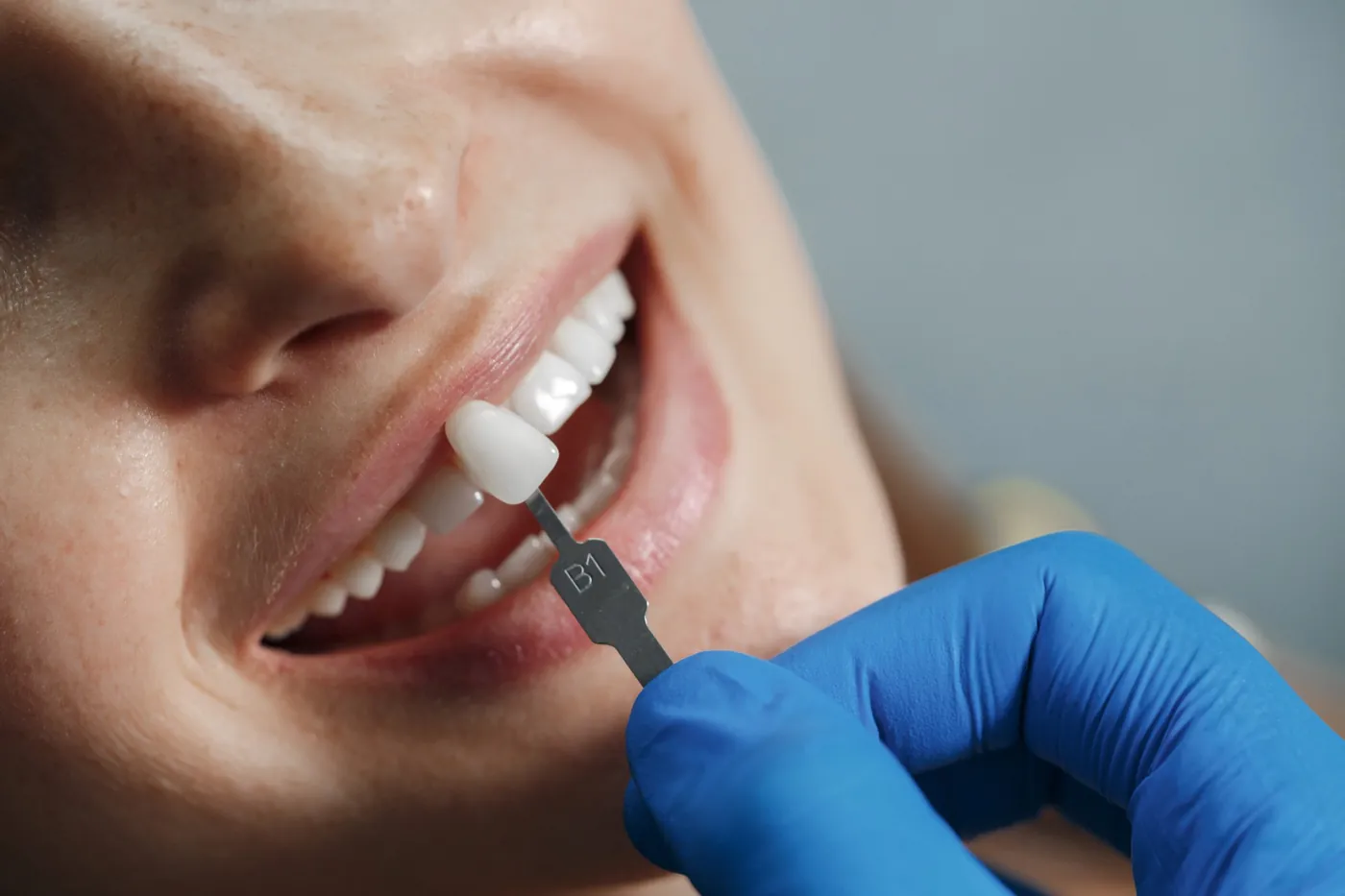
In most cases, Turkey teeth means a full set of crowns, usually made of zirconia, fitted over the upper and lower front teeth during a short trip. They are often advertised and talked about as veneers, and that is where much of the confusion, and many of the regrets, begin. A veneer and a crown are different treatments with very different consequences for the teeth underneath, so knowing which one you are being offered is the first thing to settle before you book.
Plenty of people come home from Turkey happy with their new smile, and the country has many qualified dentists who treat international patients routinely. The problems that made the phrase famous tend to come from how a treatment was planned, not from where it was done. This guide sets out what to look for so you can tell the difference.
Where the term Turkey teeth comes from
The phrase spread in the UK when reality TV stars began showing off new smiles after trips to Turkish clinics. The look was uniform, very white and very visible on camera, and social media did the rest. Before long, Turkey teeth described a style as much as a destination: straight, opaque, bright white teeth that are noticeably larger and more even than natural ones.
Then the term took a darker turn. Television documentaries and news reports followed patients whose healthy teeth had been filed down to small stumps to make room for crowns, and photos of those stumps, often called shark teeth, are now widely shared alongside the phrase. That is why a search for Turkey teeth brings up glossy before and after photos and stories of treatment gone wrong side by side.
Crowns or veneers: what is usually fitted
A veneer is a thin shell bonded to the front surface of a tooth. Porcelain veneers usually need a thin layer of enamel removed from the front so the shell sits flush; composite veneers are built up in tooth-coloured resin and may need little or no drilling. Either way, most of the natural tooth stays as it was.
A crown is a cap that covers the whole visible tooth. To make room for it, the tooth is reduced on every side, and for a big change in size, shape or colour the reduction can be substantial. Crowns have a proper place in dentistry: they protect teeth that are broken, heavily filled or weakened after root canal treatment. The controversy is about using them on healthy teeth simply to change how a smile looks.
Many Turkey teeth packages are full sets of crowns, sometimes sold as a Hollywood smile. Crowns allow a large, uniform change in one stay, which suits a short trip, whereas veneers need sound, well-positioned teeth and allow less dramatic changes. Some patients only find out that they had crowns rather than veneers once they are home and see a dentist. So whatever a package is called, ask a direct question: will my own teeth be covered with veneers or crowns, and how much of each tooth will be removed?
- Veneer. Covers the front surface only and keeps most of the natural tooth. Suited to healthy teeth that need a change in colour, shape or small gaps.
- Crown. Covers the whole tooth and means reducing it on all sides. Suited to teeth that are broken, worn down, heavily filled or weakened.
- Implant. Replaces a missing tooth with a post in the jawbone and a crown on top. The bone needs months to heal around the post before the final tooth goes on, so implants rarely fit into a single short trip.
What are Turkey teeth made of?
Most full sets are made of zirconia, a strong ceramic milled from a solid block, or of lithium disilicate, a glass ceramic that lets more light through and can look more lifelike on front teeth. Older or lower-cost work sometimes uses porcelain fused to a metal base, which can show a grey line at the gum as the gums recede over the years. Composite resin is used for veneers and bonding; it costs less and is easier to repair, but it stains and wears faster than ceramic.
The material matters less than how it is used. A zirconia crown in a natural shade, sized to your face and fitted with a clean edge at the gum, can pass for a real tooth. The same material in a shade far whiter than your eyes and skin, made wider and longer than your own teeth, produces exactly the look the phrase now describes.
Why Turkey teeth go wrong
When people search for Turkey teeth gone wrong, they are usually looking at one of a small set of problems. Most of them trace back to planning rather than to the material.
- Too much tooth removed. Healthy enamel filed away for crowns does not grow back, and the deeper the reduction, the closer the drill comes to the nerve.
- Nerve damage and sensitivity. A heavily reduced tooth can become sensitive or painful, and its nerve can die months or years later. The tooth then needs root canal treatment, sometimes through the new crown.
- Gum problems. Crowns with rough or overhanging edges trap plaque at the gum line. The result can be bleeding and swollen gums, bad breath and, over time, receding gums that expose the edges of the crowns.
- Disease covered over. Decay or gum disease that is crowned over rather than treated first carries on underneath the new teeth.
- A bite that does not fit. Teeth that are too long or too bulky change the way you bite, which can cause chipping, jaw ache or headaches.
- A look that is too much. Teeth that are whiter, wider or more uniform than the face around them are a frequent complaint, and a difficult one to undo, because the teeth underneath have already been reduced.
Many of these share a cause: a whole mouth of work squeezed into a few days. A full set means preparing many teeth, taking scans or impressions, making the teeth in a lab and fitting them, and a timetable built around a cheap flight leaves little room to check the fit, let the gums settle or adjust the bite before you fly home.
How long do Turkey teeth last?
There is no single answer, because Turkey teeth is not a single treatment. What decides how long the work lasts is the same in Turkey as it is anywhere else.
- The material. Ceramic crowns and veneers resist staining and wear far better than composite, which usually needs polishing, repairs or replacement sooner.
- The fit. Clean edges at the gum line keep plaque out. Poor edges let decay start underneath, and that, rather than the crown itself breaking, is a common reason work fails.
- Your bite and habits. Grinding or clenching at night puts heavy force on ceramic, and a night guard is an inexpensive way to protect an expensive smile.
- The teeth underneath. A crown is only as healthy as the tooth it sits on. Teeth that were weakened by deep preparation, or that have lost their nerve, are more likely to cause trouble later.
- Care at home. Brushing, cleaning between the teeth and regular check-ups and hygiene visits make a bigger difference than the brand of ceramic.
What is often missed is that crowns and porcelain veneers are not a one-off purchase. Once a tooth has been prepared for them it will always need a covering, so the work will eventually need replacing, and every replacement means another round of treatment. Anyone weighing up a full set should plan for that over a lifetime, not just for the first trip.
Are Turkey teeth a good idea?
For some people, yes. A careful clinic in Turkey can plan treatment that looks natural and holds up well. Whether it is a good idea for you depends less on the destination than on whether the plan fits your teeth. It tends to suit people who:
- have teeth that genuinely need restoring, such as broken, worn or heavily filled teeth, rather than healthy teeth they would simply like whiter;
- have had any gum disease and decay treated first, at home or at the clinic;
- can make more than one trip, or stay long enough for the fit and the bite to be checked;
- have a dentist at home who is willing to see them afterwards.
It is worth pausing if your teeth are healthy and you mainly want them whiter or straighter, because whitening, aligners or bonding may get you much of the way without removing any tooth. The same goes if you grind heavily, have active gum disease, or are offered a full set on a first video call with no X-rays.
Questions to ask a clinic before you book
- Will you fit veneers or crowns, on which teeth, and why?
- How much of each tooth will be removed, and can you show me on my X-rays or scan?
- Do I have any decay or gum disease that needs treating first?
- Who is the dentist doing the work, and can I speak to them before I travel?
- Which material will you use, made by which lab, and in what shade?
- How many visits does the plan need, and how long should there be between them?
- What records will I take home: X-rays, the treatment plan, and the material and shade of each tooth?
- What happens if a crown chips, comes loose or causes pain after I get home?
A clinic that answers these clearly and in writing is worth considering. A clinic that cannot tell you whether it is fitting crowns or veneers is not.
Will a UK dentist treat Turkey teeth?
Yes, a dentist in the UK can examine and treat crowns and veneers fitted abroad, but it is not always simple. Some practices are cautious about taking on complex work they did not plan, and repairing or replacing a full set can be a long and costly course of treatment. The NHS does not provide cosmetic dentistry, so replacing teeth for the way they look is usually private, although treatment you need for your dental health, such as dealing with an infection, is a different matter.
A little preparation makes aftercare at home much easier:
- Register with a dentist before you travel, and tell them what you are planning.
- Bring home your records: X-rays or scans from before and after, the treatment plan, and the material and shade of every crown or veneer.
- Know who to contact at the clinic if something goes wrong, and what they will and will not cover.
Gentler options worth asking about
If your teeth are healthy, a full set of crowns is rarely the only route to the smile you want. Depending on what bothers you:
- Whitening lightens natural teeth without removing anything.
- Aligners or braces straighten crooked or crowded teeth, and can make later veneers far less invasive.
- Composite bonding reshapes chipped or uneven edges with resin, and can usually be redone or removed.
- Veneers on the teeth that show when you smile, rather than a full set of crowns.
Some patients combine these: straightening first, then whitening, then veneers only where they are needed. It takes longer than a single trip, and it keeps more of your own teeth.
If you are comparing clinics, our pages on veneers in Turkey, crowns in Turkey and dental implants in Turkey list the clinics that offer each treatment, so you can weigh them against the questions above.
Medical disclaimer
This article is informational, not medical advice. Always consult a licensed physician about your individual case before booking any procedure.