
Regenerative medicine in Thailand: what clinics offer, the rules and how to choose
Regenerative medicine in Thailand covers platelet-rich plasma and same-day bone marrow or fat injections at orthopaedic, aesthetic and fertility clinics, blood stem cell transplants in large hospitals, and stem cell, exosome and anti-ageing programmes sold to visitors in Bangkok and Phuket. This page explains what is on offer, the Thai rules that apply, how to check a clinic and a doctor, what drives the cost and how the trip works.
Read moreRead less
Regenerative medicine in Thailand covers platelet-rich plasma and same-day bone marrow or fat injections at orthopaedic, aesthetic and fertility clinics, blood stem cell transplants in large hospitals, and stem cell, exosome and anti-ageing programmes sold to visitors in Bangkok and Phuket. This page explains what is on offer, the Thai rules that apply, how to check a clinic and a doctor, what drives the cost and how the trip works.
Medically reviewed by Abdulaziz Ali. Written by Abdulaziz Ali.
Updated 19 August 2025 · Editorial standards
Updated 19 August 2025 · Editorial standards
Regenerative medicine in Thailand at a glance
Figures are ranges, not promises. Suitability needs an individual assessment by a doctor.
Regenerative medicine clinics in Thailand
Each clinic sets its own price, so check what the price includes before comparing two of them.




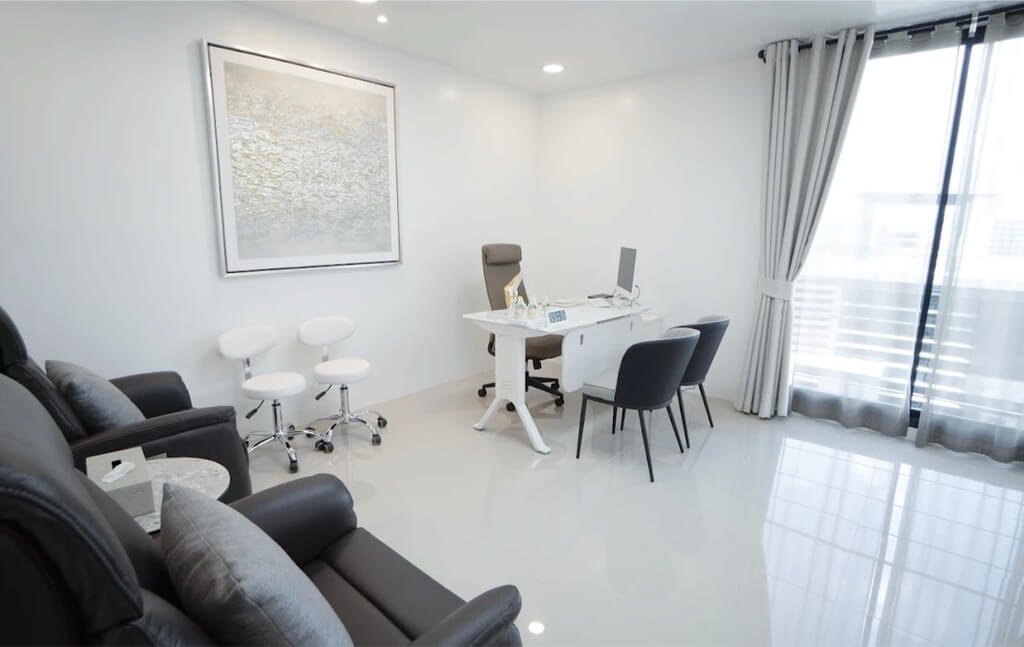
Vega Clinic ✔ Verified
Bangkok, Thailand · 10 clinic reviews
9.5FlymediScore
Lead: Dr. Chollawat Thongthaisin, Regenerative medicine

Speaks EN · TH
Not sure which of these clinics fits your case?
Send your details and a coordinator will tell you which clinics are appropriate for your case, and which are not.





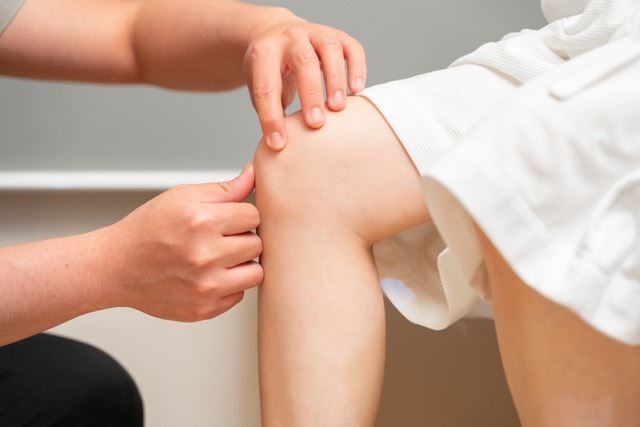
EDNA Wellness ✔ Verified
Bangkok, Thailand · 10 clinic reviews
9.5FlymediScore
Lead: Pongwat Polpong, Regenerative medicine

Speaks EN · TH
Clinics are scored and ordered by Flymedi. How ranking works.
Patient stories
Patients treated through Flymedi, in their own words. Nothing loads or plays until you press play.
Alex
Septoplasty
Spoken in EnglishSource: YouTube
Laura
Dental implants
Spoken in EnglishSource: YouTube
Louren
Gastric sleeve
Spoken in EnglishSource: YouTube
Mark Chambarlein
Hair transplant
Spoken in EnglishSource: YouTube
Josephine Nyella
Limb lengthening surgery
Spoken in EnglishSource: YouTube
Youssef
Rhinoplasty
Spoken in EnglishSource: YouTube
Helen Totsis
Dental implants
Spoken in EnglishSource: YouTube
Jacqueline Davies
Gastric sleeve
Spoken in EnglishSource: YouTube
Anıl Chopra
FUE hair transplant
Spoken in EnglishSource: YouTube
Damon
Gynecomastia
Spoken in EnglishSource: YouTube
Reviews on Trustpilot
Why are these clinics ranked this way?
Clinics are scored from patient reviews and ordered by Flymedi. The facts behind each position are listed below. How ranking works.
| Rank | Clinic | FlymediScore | Lead doctor | Experience | From | Why it is ranked here |
|---|---|---|---|---|---|---|
| 1 | ID Clinic | 9.5 | 1 doctor | Not listed | Price on request | 10 clinic reviews. |
| 2 | Vega Clinic | 9.5 | Chollawat Thongthaisin | 7 years | Price on request | 10 clinic reviews. |
| 3 | EDNA Wellness | 9.5 | Pongwat Polpong | 16 years | €3,350Treatment only | 10 clinic reviews. |
In this article
- Regenerative medicine in Thailand: what clinics offer, the rules and how to choose
- What regenerative treatments clinics in Thailand offer
- Which treatments make sense to have in Thailand
- The rules in Thailand, and what they cover
- Where in Thailand
- How a regenerative treatment trip to Thailand works
- Risks specific to treatment in Thailand
- Who should not travel to Thailand for regenerative treatment
- How to check a clinic in Thailand
- What drives the cost of regenerative medicine in Thailand
- References
Regenerative medicine in Thailand: what clinics offer, the rules and how to choose
For a patient flying in, regenerative medicine in Thailand means one of three quite different things. The first is hospital medicine: blood stem cell transplants for blood cancers, thalassaemia and bone marrow failure, and stem cell transplants that repair a damaged surface of the eye, done in large university and private hospitals. The second is a group of same-day injections made from your own blood, bone marrow or fat, mostly platelet-rich plasma, given by orthopaedic, sports medicine, dermatology, hair and fertility clinics. The third is a market of cultured and donor stem cells, exosomes, intravenous drips, peptides and anti-ageing programmes sold to international patients in Bangkok and Phuket, often as packages with a hotel, and mostly without the trial evidence a regulator would need. Thai rules draw the line in the same place: the Medical Council accepts only the first group as standard stem cell treatment, and treats other stem cell uses as research.
What regenerative treatments clinics in Thailand offer
Ask any clinic which of these it is proposing, by name, because the evidence, the rules and the price differ for each one.
PRP for joints and tendons
Platelet-rich plasma from your own blood, injected into a knee, hip, shoulder or tendon by an orthopaedic or sports medicine doctor. Offered by hospital orthopaedic centres and clinics in Bangkok and Phuket, in one short visit.PRP for hair, face and skin
The same preparation injected into the scalp or the skin, offered by hair and aesthetic clinics, often as a course of sessions or alongside another treatment.PRP for the ovaries
Platelet-rich plasma injected into the ovaries by some fertility clinics, sold as ovarian rejuvenation before IVF. The studies behind it are small, and it remains experimental.Bone marrow and fat injections
Marrow from the pelvis or fat from a mini-liposuction, concentrated and injected the same day, mainly into joints. More invasive than PRP, with smaller studies behind it.Stem cell facials and skin treatments
Sold for wrinkles, acne scars and hair loss, and often not stem cells at all but exosomes, cell culture fluid or plant extracts. The Medical Council does not accept stem cells for beauty as standard treatment.Cultured and donor stem cells
Mesenchymal cells grown in a laboratory, from your own tissue or from umbilical cord donors, sold as drips or injections for arthritis, back pain, diabetes, autoimmune disease and ageing. In Thailand these uses count as research.Exosomes, peptides and anti-ageing programmes
Exosome injections, peptide courses, vitamin and other intravenous drips, often bundled into longevity stays in Bangkok and Phuket. None contains living cells, and none has good evidence for anti-ageing.Blood and corneal stem cell transplants
Blood stem cell transplants for leukaemia, lymphoma, thalassaemia and marrow failure, and stem cell transplants for a damaged corneal surface, done in large hospitals. Established medicine, not a clinic product.Each treatment has its own page for Thailand, with candidates, the procedure, recovery and price drivers: stem cell therapy in Thailand, PRP in Thailand, the vampire facelift in Thailand, fat transfer in Thailand and bone marrow transplant in Thailand. For a worn-out knee, compare an injection with knee replacement in Thailand and arthroscopic knee surgery in Thailand on our orthopaedics in Thailand page. For what each treatment can and cannot do wherever it is given, read our guide to regenerative medicine.
Which treatments make sense to have in Thailand
A regenerative treatment makes sense to have in Thailand when the diagnosis is settled before you fly, the product has a name and a legal status you can check, the procedure takes a day or two and the follow-up can happen at home. That fits PRP and same-day injections for a joint or tendon, and PRP added to a hair or skin treatment you were planning anyway. It does not fit a course of cultured cells for diabetes, a neurological condition or ageing, however the package is presented.
Joints and tendons
PRP, marrow or fat injections for knee or hip osteoarthritis, tennis elbow, Achilles and rotator cuff problems, after physiotherapy has not been enough. A short procedure, so weigh a long flight against a modest and variable benefit.Hospital transplants
Blood stem cell transplants in the transplant units of Thailand's large hospitals, for patients referred by a haematologist. Weeks in or near the hospital, with long follow-up afterwards.Hair, face and skin
PRP for thinning hair and facial skin, common in Bangkok and Phuket aesthetic clinics. Repeated over months, so the cost of each long-haul trip can outweigh the saving.What should stay in a trial
Cultured or donor cells, exosomes and cell drips for diabetes, back pain, spinal cord injury, Parkinson's, stroke, autism or ageing. In Thailand these uses are research, and belong in a registered study, not in a paid package.
The rules in Thailand, and what they cover
Thailand regulates stem cell and other regenerative treatments through two bodies, the Ministry of Public Health and the Medical Council, and each rule answers a different question. Knowing which one applies to the treatment you are offered tells you what to ask for.
- Accepted stem cell uses. The Medical Council accepts two uses of stem cells as standard treatment: blood stem cell transplants for blood diseases, and stem cell transplants to repair a damaged corneal surface. Its standard for cell therapy in blood diseases names the conditions, the certified haematologists who may give it and the institutions the Council accredits.
- Everything else is research. Any other use of stem cells counts as research. The Medical Council has said these uses may not be advertised, and that patients in a stem cell study should not pay for the cell product.
- Clinics and cell services. Every clinic and hospital needs a licence under the Sanatorium Act, enforced by the Department of Health Service Support. A Ministry of Public Health standard for medical cell services sets who may provide them, in which facilities and with which infection controls. Cell therapy products themselves count as medicines under Thailand's drug law, which the Thai Food and Drug Administration applies to their manufacture, import and approval.
- Advertising. A health facility's advertising needs permission, and false or exaggerated claims, including stem cells for uses outside the accepted ones, are offences that carry fines and prison. Doctors who advertise cosmetic treatments must also show their full name and licence number.
- What no licence shows. A licence shows that a clinic may operate and a doctor may practise. It does not show that a product works for your condition, so the evidence question stays yours to ask.
Where in Thailand
- Bangkok. Most of the clinics on this page, the large private hospital groups and university hospitals with transplant units, and the densest cluster of aesthetic, wellness and cell clinics. The most flights, and the most choice to sort through.
- Phuket. An island with private hospitals and a cluster of anti-ageing, wellness and aesthetic clinics popular with visitors combining treatment and a holiday, where it is worth checking the medical side of a package with extra care.
- Chiang Mai. A northern city with a university hospital and private hospitals, and wellness and longevity retreats aimed at longer stays.
- Pattaya. A resort city south-east of Bangkok with international private hospitals and aesthetic clinics, within reach of the capital's airports.
How a regenerative treatment trip to Thailand works
Diagnosis and imaging first
Recent X-rays or MRI, a specialist's diagnosis and the treatments you have tried go to the clinic in Thailand, whose doctor should tell you whether an injection is reasonable for your problem, not only whether it is available.A written plan that names the product
What will be injected, where it comes from, which laboratory processes it, how many sessions, and whether it is an accepted use or a registered study. A package price is not a plan.Checks before you fly
Blood tests, an infection screen and a review of your medicines. Anti-inflammatory painkillers and blood thinners may need to stop before PRP or a marrow harvest, but only on a doctor's instruction.Harvest, processing and injection
For PRP, a blood draw and an injection on the same day; for marrow or fat, a short procedure under local anaesthetic first. Joint and tendon injections should be guided by ultrasound or X-ray.A short stay before the long flight home
Most injections need a few days of rest and a check for infection before a long-haul flight; ask how long to stay for your procedure, and whether the clinic sees you again before you leave.Rehabilitation and review at home
A written record, in your language, of what was injected, where and in what dose, an exercise plan for your physiotherapist and a named contact at the clinic. Any benefit usually shows over weeks to months.
Risks specific to treatment in Thailand
- Infection. Any injection into a joint or tendon can introduce infection, and a joint infection that starts after you land will be treated at home, not in Bangkok.
- Unverified products. Cells grown or stored outside a controlled laboratory can carry bacteria or be something other than the label says, and tumours and abnormal growths have been reported after unregulated cell treatments.
- Reactions to donor material. Donor cells, cord tissue and exosomes can cause fever, allergic reactions and immune responses that your own cells would not.
- Harm from where it is injected. Injections into the eye, the spine, the fluid around the brain or the bloodstream carry risks of their own, including blood clots, and are the ones most often sold for neurological conditions.
- A long flight after a procedure. Thailand is a long-haul trip from Europe, the Americas and Australia, and a long flight soon after a harvest or injection adds to the risk of blood clots; ask about walking, fluids and compression stockings.
- Packages that hide the medicine. Hotels, transfers, spa days and VIP extras can make a quote look complete while the product, the dose and the number of sessions stay vague.
- Follow-up and insurance at a distance. After you fly home, the clinic can advise by message, but any examination or treatment of a complication happens where you live, and travel insurance excludes planned treatment.
Who should not travel to Thailand for regenerative treatment
- Anyone whose diagnosis is not settled. Pain without a specialist's diagnosis and imaging that explains it needs an assessment at home, not a product abroad.
- Anyone with advanced arthritis. When the joint surface has worn through, injections rarely change much, and a joint replacement is the treatment to discuss.
- Anyone with an active infection, an active cancer or a bleeding disorder. Each changes what can be injected at all and who should do it; cancer care belongs with an oncology team.
- Anyone who is pregnant or breastfeeding. Regenerative injections are generally avoided until afterwards.
- Families of children offered cell treatment for autism, cerebral palsy or a genetic disease. These conditions belong with a specialist team and, where one exists, a registered trial.
- Anyone told the treatment will replace their medicines. Never stop insulin or any other prescribed treatment for a cell product without your own doctor.
How to check a clinic in Thailand
- The clinic's licence. Ask for the clinic or hospital licence under the Sanatorium Act, in the clinic's own name, and check that the address on it is where you will be treated.
- The doctor's licence. Ask for the treating doctor's full name and Medical Council licence number, and check them on the Medical Council of Thailand's online register before you pay.
- An accepted use or a registered study. For any cell product, ask whether it is one of the uses the Medical Council accepts or part of a registered study with an ethics approval, and why you are being charged for it if it is a study.
- A named product and laboratory. Product name, source, processing, cell count or dose, the laboratory and a batch record you can take home.
- A specialist in your condition. An orthopaedic surgeon or sports physician for a joint, a dermatologist for hair and skin, a fertility specialist for the ovaries, a haematologist for a transplant. A doctor whose only specialty is the product is a warning sign.
- Image-guided injections and records in your language. Ultrasound or X-ray guidance for joints and tendons, a written consent before you pay and a discharge summary afterwards that your own doctor can read.
- Warning signs. One product for many unrelated diseases, stem cells for beauty or ageing, testimonials instead of studies, pressure to book quickly, discounts for paying in advance, and claims that your own cells cannot harm you.
What drives the cost of regenerative medicine in Thailand
- The product. PRP, a same-day marrow or fat procedure, a cultured cell product and a donor cell product are different orders of cost, with cultured and donor cells at the top.
- Dose and number of sessions. The cell count, the number of joints or areas treated and whether the plan is one session or a course.
- Harvest and anaesthesia. A marrow or fat harvest adds a procedure, a sterile room and sometimes sedation.
- Laboratory work. Growing, testing and storing cells is where most of the cost of a cell product sits.
- Imaging and assessment. MRI review, ultrasound or X-ray guidance, blood tests and the check before you fly, included or billed separately.
- The package. Hotel or resort nights, transfers, spa treatments and an interpreter are often bundled in; compare the medical part of two quotes separately from the travel part.
The clinic listing on this page shows a price where a clinic publishes one, with a note of what it includes; most clinics in Thailand quote regenerative treatments on request, because the plan depends on your diagnosis and scans. For paying in instalments, see payment plans.
References
- Medical Council of Thailand, regulation on medical ethics concerning stem cell transplantation for treatment.
- Medical Council of Thailand, announcement on standards of medical practice for cell therapy in blood diseases and blood cancers.
- Thailand Ministry of Public Health, notification on standards of medical cell services in health facilities for cells used in treatment.
- Thailand Department of Health Service Support, Sanatorium Act and its rules on licensing and advertising by health facilities.
- US Food and Drug Administration, consumer alert on regenerative medicine products including stem cells and exosomes.
- International Society for Stem Cell Research, the ISSCR guide to stem cell treatments and its questions to ask a provider.
- Thai Food and Drug Administration, framework for advanced therapy medicinal products, including cell therapy, under the Drug Act.
What patients say How we collect reviews
Reviews left by patients treated through Flymedi for this treatment. Each one is written in the patient's own language.
I.· Stem cell therapy✓ Verified
5.0 · 21 February 2026
Received stem cell treatment here on my knees . My first time doing any kind of medical stuff outside of Aussie . The place was super clean modern and better than anything I’ve been in Australia . Doctor and staff were top notch. It’s only been a few days but feeling benefits already which not expected . Let’s see how it is in a few months … fingers crossed 🤞
T. from Romania· Stem cell therapy✓ Verified
5.0 · 20 February 2026
As a tennis lover,I play tennis a lot and came here for recovery. After stem cells treatment felt great! My joints feel lighter and less sore. Highly recommend!
W.· Stem cell therapy✓ Verified
5.0 · 18 February 2026
Panacee Hospital Rama 2 built a personalized cell therapy plan for me after reviewing my history and test results. They emphasized monitoring and follow-up, which made me feel confident. The process was smooth, and the team was professional from reception to nursing. I’d recommend them for anyone considering this kind of treatment.
P.· Stem cell therapy✓ Verified
5.0 · 18 February 2026
Great experience with my IV drip! The clinic is clean, cozy, and welcoming. Can’t wait to come back for another treatment.
30 reviews
Frequently asked questions
Answers from the medical content team, reviewed by the medical reviewer named on this page.
Is stem cell therapy legal in Thailand?
Partly. The Medical Council accepts stem cells as standard treatment for blood diseases, through blood stem cell transplants, and for repairing a damaged corneal surface. Other uses, including joints, diabetes, beauty and ageing, count as research, may not be advertised and should not be charged to the patient as a product. PRP and same-day injections of your own blood, marrow or fat are offered by licensed clinics, but legal does not mean proven.
How risky is stem cell therapy in Thailand?
The risk depends on the product, where it is injected and who prepares it, not on the country. Injections of your own blood or marrow into a joint carry a small risk of infection and a few days of pain. Cultured or donor cells, cells injected into the spine, eye or bloodstream, and products from unverified laboratories carry more serious risks, including clots and abnormal tissue growth. Our page on stem cell therapy in Thailand goes through them in detail.
How much does regenerative medicine cost in Thailand?
It depends on the product, the dose, the number of sessions and what the package includes. PRP sits at the bottom of the range and cultured or donor cells at the top. Most clinics in Bangkok and Phuket quote after reviewing your scans; compare the medical part of each quote separately from the hotel, transfers and spa extras.
What is stem cell therapy for the face in Bangkok?
It is a name for several different treatments: PRP, exosome or cell culture fluid applied after microneedling or laser, plant stem cell creams, and sometimes injections of cultured cells. Only the last contains human stem cells, and the Medical Council does not accept stem cells for beauty as standard treatment. Ask what the product is, by name, before you book.
Does PRP ovarian rejuvenation in Thailand work?
It is not known. Some fertility clinics in Bangkok inject platelet-rich plasma into the ovaries before IVF, but the studies are small, the better-designed ones have not shown a benefit, and it is not established fertility treatment. If you consider it, do so with a fertility specialist who can show you the clinic's own results and explain the alternatives.
Are exosome injections in Thailand a stem cell treatment?
No. Exosomes are tiny particles released by cells, sold as injections, drips and facials. They contain no living cells, their content varies between products, and there is no good evidence that they reverse ageing or treat disease. The US Food and Drug Administration has warned the public about unapproved exosome products.
What are anti-ageing and longevity programmes in Bangkok and Phuket?
They are wellness packages that combine health checks, intravenous drips, peptides, hormones, exosomes and sometimes cell injections, sold as anti-ageing. Some of the tests may be useful; the treatments have no good evidence for slowing ageing, and none of them is a regenerative treatment in the medical sense.
Can stem cell therapy in Thailand treat diabetes or back pain?
Not as accepted treatment. In Thailand, stem cell use for diabetes, back pain and other conditions outside blood and corneal disease counts as research. Some clinics sell it anyway; ask whether you would be joining a registered study, and never stop insulin or other medicines because of it.
How long do I need to stay in Thailand?
For PRP or a same-day marrow or fat injection, usually a few days including a check before the long flight home. Cultured cell treatments often need a harvest visit and a separate injection visit weeks later. A blood stem cell transplant means weeks in or near the hospital.
Will my insurance pay for treatment in Thailand?
Rarely. Health insurers and national health systems seldom pay for PRP or cell injections for joints, hair, skin or fertility, and travel insurance excludes planned treatment. A blood stem cell transplant referred by your haematologist is the exception in some health systems, with prior approval.
How can I check a clinic and a doctor in Thailand?
Ask for the clinic's licence under the Sanatorium Act in its own name, and for the treating doctor's full name and Medical Council licence number, which you can check on the Medical Council of Thailand's online register. For a cell product, also ask whether it is an accepted use or a registered study with an ethics approval.
Related Flymedi pages
TreatmentsStem cell therapy
About this page
Written by Abdulaziz Ali, Leading Medical Writer & Strategist at Flymedi. Medically reviewed by Abdulaziz Ali. Content updated 19 August 2025. Next scheduled review 19 August 2026.
This page is general information, not personal medical advice. It does not diagnose you and it does not replace an individual assessment by a doctor who has examined you.
Found something wrong or out of date on this page? Tell us and we will check it. Editorial standards and reviewer list: authors and reviewers.
Ready to compare offers?
Tell us about your case and a coordinator matches you with clinics that fit it.