Bone marrow transplant in Turkey

A bone marrow transplant replaces blood-forming stem cells that are diseased or have been destroyed by treatment, and it is used in leukaemia, lymphoma, myeloma, aplastic anaemia and inherited disorders such as thalassaemia. It is decided by the haematology team already treating you, not chosen from a website. Flymedi lets you compare accredited transplant centres in Turkey and see what each price covers, so you can take real figures back to your own consultant.

Read more
Medically reviewed by Dr. Hasan L. Lice, Bariatric surgery. Written by Abdulaziz Ali.
Updated 6 February 2025 · Editorial standards

Bone marrow transplant in Turkey at a glance

operationThe surgery duration will take 1 hour

Figures are ranges, not promises. Suitability needs an individual assessment by a doctor.

Bone marrow transplant clinics in Turkey

Each clinic sets its own price, so check what the price includes before comparing two of them.

Clinics are scored and ordered by Flymedi. How ranking works.

Patient stories

Patients treated through Flymedi, in their own words. Nothing loads or plays until you press play.

Alex

Septoplasty

Spoken in EnglishSource: YouTube

Laura

Dental implants

Spoken in EnglishSource: YouTube

Louren

Gastric sleeve

Spoken in EnglishSource: YouTube

Mark Chambarlein

Hair transplant

Spoken in EnglishSource: YouTube

Josephine Nyella

Limb lengthening surgery

Spoken in EnglishSource: YouTube

Youssef

Rhinoplasty

Spoken in EnglishSource: YouTube

Helen Totsis

Dental implants

Spoken in EnglishSource: YouTube

Jacqueline Davies

Gastric sleeve

Spoken in EnglishSource: YouTube

Anıl Chopra

FUE hair transplant

Spoken in EnglishSource: YouTube

Damon

Gynecomastia

Spoken in EnglishSource: YouTube

Why are these clinics ranked this way?

Clinics are scored from patient reviews and ordered by Flymedi. The facts behind each position are listed below. How ranking works.

RankClinicFlymediScoreLead doctorExperienceFromWhy it is ranked here
1Istanbul European Clinic9.3General surgery13 yearsPrice on requestMost reviewed on this page (435 reviews). Declares TURSAB, MOH, ASAPS, ESCAD, ESHRS, ISAPS, TTB. 23 doctors listed.
2Medipol Mega University Hospital9.44 doctorsNot listedPrice on requestDeclares JCI. 4 doctors listed.
3Acibadem Healthcare Group9.54 doctorsNot listedPrice on request4 doctors listed.
4Medical Park Gaziosmanpasa Hospital9.74 doctorsNot listedPrice on requestDeclares JCI, CEN, EMBT, ISCT, CIBMTR. 4 doctors listed.
5Koç Healthcare Institutions9.6General surgery30 yearsPrice on requestDeclares JCI. 4 doctors listed.
6Acibadem Maslak Hospital9.64 doctorsNot listedPrice on requestDeclares JCI, ISO 9001:2008. 4 doctors listed.
7Medical Park Antalya Hospital9.74 doctorsNot listedPrice on requestDeclares JCI, CEN, EMBT, ISCT, CIBMTR. 4 doctors listed.
8Florence Nightingale Istanbul9.54 doctorsNot listedPrice on requestDeclares JCI, OHSAS 18001, ISO 9001:2000, TÜV SÜD, ISO 14001. 4 doctors listed.
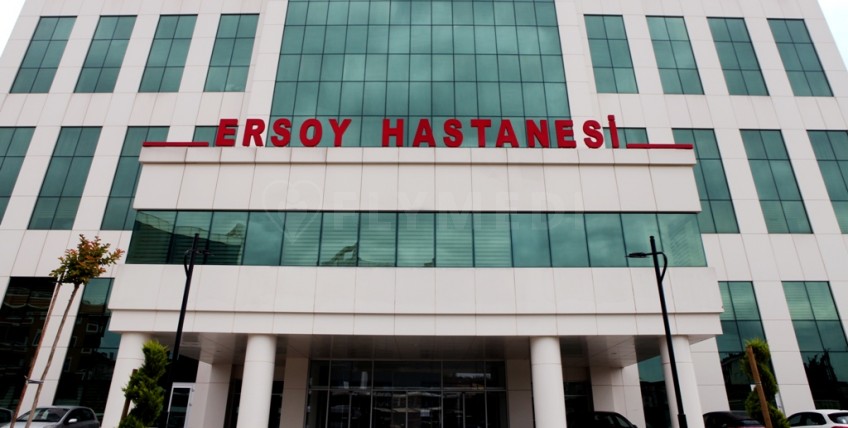
9Ersoy Hospital9.74 doctorsNot listedPrice on requestDeclares ISO 9001:2008. 4 doctors listed.
10Kolan International Hospital9.2General surgery16 yearsPrice on request4 doctors listed.
1Istanbul European Clinic · 9.3
Most reviewed on this page (435 reviews). Declares TURSAB, MOH, ASAPS, ESCAD, ESHRS, ISAPS, TTB. 23 doctors listed.
2Medipol Mega University Hospital · 9.4
Declares JCI. 4 doctors listed.
3Acibadem Healthcare Group · 9.5
4 doctors listed.
4Medical Park Gaziosmanpasa Hospital · 9.7
Declares JCI, CEN, EMBT, ISCT, CIBMTR. 4 doctors listed.
5Koç Healthcare Institutions · 9.6
Declares JCI. 4 doctors listed.
6Acibadem Maslak Hospital · 9.6
Declares JCI, ISO 9001:2008. 4 doctors listed.
7Medical Park Antalya Hospital · 9.7
Declares JCI, CEN, EMBT, ISCT, CIBMTR. 4 doctors listed.
8Florence Nightingale Istanbul · 9.5
Declares JCI, OHSAS 18001, ISO 9001:2000, TÜV SÜD, ISO 14001. 4 doctors listed.
9Ersoy Hospital · 9.7
Declares ISO 9001:2008. 4 doctors listed.
10Kolan International Hospital · 9.2
4 doctors listed.

Read our full clinic ranking policy

Bone marrow transplant in Turkey

A bone marrow transplant replaces blood-forming stem cells that are diseased, damaged or have been destroyed by treatment. It is used for leukaemia, lymphoma, myeloma, aplastic anaemia and inherited conditions such as thalassaemia and sickle cell disease. Doctors increasingly call it a haematopoietic stem cell transplant, because the cells are usually collected from blood rather than from marrow itself.

This is not a procedure anyone chooses from a website. It is decided by the haematology team already treating you or your child, and going abroad only makes sense as part of that plan. What this page can do is explain how the treatment works, what a transplant in Turkey involves, what to verify about a centre before you commit, and the questions to take back to your own consultant.

What Does Bone Marrow Transplant Involve

The transplant itself is an infusion through a drip and takes a small part of the day. Everything around it is the treatment: the conditioning that comes before, and the weeks of protected recovery that follow while the new cells establish themselves.

  1. Assessment and matching

    Blood tests, tissue typing, organ function checks and a dental review. If the transplant is allogeneic, the search for a donor happens here and can take time.
  2. Stem cell collection

    Cells come either from you, from a related or unrelated donor, or from stored cord blood. Most donations today are collected from the bloodstream after a course of injections rather than from the hip bone under anaesthetic.
  3. Conditioning

    Chemotherapy, sometimes with radiotherapy, to clear the diseased marrow and suppress the immune system so the new cells are not rejected. This is the hardest part of the treatment.
  4. The infusion

    The stem cells are given through a central line, much like a transfusion. There is no operation and no incision for the recipient.
  5. Engraftment and isolation

    You stay in a protected room while blood counts are at their lowest, and wait for the new marrow to start producing cells. This is measured in weeks, not days.

The types of transplant, and why the type decides everything

Which type you have determines the donor search, the risks, the length of stay and the follow-up. It is the first thing to be clear about.

Autologous

Your own cells are collected and returned after high-dose treatment. There is no rejection and no graft-versus-host disease, and the stay is usually shorter. It is common in myeloma and some lymphomas.

Allogeneic, matched sibling

Cells from a brother or sister whose tissue type matches. Historically the longest-established allogeneic route, but only a minority of patients have a matched sibling.

Allogeneic, matched unrelated

Cells from a volunteer on an international donor register. Finding a donor depends heavily on ethnic background, and for some groups the registers are thin.

Haploidentical

A half-matched relative, usually a parent or child. It has widened access considerably because almost everyone has a half-matched relative, and Turkish centres do a high volume of it.

Cord blood

Stem cells from a stored umbilical cord. Useful when no other donor is found, particularly for children, though the cell dose limits its use in adults.

Why some families travel to Turkey for this

Turkey has a long-established transplant programme, a large paediatric caseload and particular depth in inherited blood disorders such as thalassaemia, which is common in the region. Those are the real reasons, and they matter more than price.

  • Volume in haploidentical and paediatric transplant. Centres that do this work often are the ones to look for, and Turkey has several with substantial annual caseloads.
  • Waiting time. Where a donor exists and the delay at home is the obstacle, a centre that can start conditioning sooner changes the clinical picture, not just the convenience.
  • Family donor availability. Haploidentical protocols mean a parent or a child can often donate, which removes the register search entirely.
  • Cost. Genuinely lower than in western Europe or North America, but it should be the last reason on this list rather than the first.

What Should I Expect After Bone Marrow Transplant

  1. The isolation period

    Blood counts fall to their lowest before the new marrow takes over. You stay in a protected room, and visitors, food and contact are restricted for a reason.
  2. Engraftment

    The point at which the new cells begin producing white cells, and the first real milestone. Until then, fever is treated as an emergency.
  3. The first hundred days

    The window in which acute graft-versus-host disease and the major infections are most likely. Discharge from hospital does not end this phase, and you must stay near the centre.
  4. The first year and beyond

    Immunity rebuilds slowly and the childhood vaccination programme is repeated. Chronic graft-versus-host disease, hormonal and fertility effects, and second cancers are the reasons follow-up continues for life.

The stay abroad is long. Plan for months near the centre rather than a fortnight, and for a family member to be there throughout, because a carer is usually mandatory rather than optional.

Side Effects of Bone Marrow Transplant in Turkey

  • Effects of conditioning. Nausea, mouth ulceration, hair loss and profound fatigue. Mouth and gut lining damage is often what patients find hardest in the early weeks.
  • Infection. With no working immune system, ordinary organisms become dangerous. Fever is treated urgently and antibiotics are started before a cause is identified.
  • Graft-versus-host disease. Donor immune cells attacking skin, gut or liver. It occurs in acute and chronic forms, is a major cause of long-term illness after allogeneic transplant, and needs immune suppression.
  • Graft failure. The transplanted cells fail to establish. Uncommon, but it is the reason counts are watched daily.
  • Organ effects. Lungs, liver, kidneys and heart can be affected by conditioning, and some changes are permanent.
  • Fertility. Most conditioning regimens cause infertility. Fertility preservation has to be discussed before treatment starts, not after.

How to Prepare for Bone Marrow Transplant

  • Involve your own haematologist from the start. Records, current protocol, staging and response to previous treatment all have to travel with you, and the receiving team needs them before they can plan anything.
  • Settle the donor question first. Whether a family donor is available, and whether they can travel and stay, decides the whole timetable.
  • Ask about fertility preservation before conditioning. It cannot be done afterwards.
  • Plan the length of stay honestly. Accommodation near the hospital, visas for the patient, donor and carer, and the cost of months rather than weeks.
  • Agree who manages the follow-up at home. Your own centre has to accept you back and needs a full discharge summary, immunosuppression plan and vaccination schedule.
  • Confirm what happens if something goes wrong. Intensive care availability, the policy on extended stays and how costs behave if the course is complicated.

How to check a transplant centre

  • JACIE accreditation. The specific accreditation for collection, processing and transplant programmes in Europe. Check it directly rather than accepting a logo.
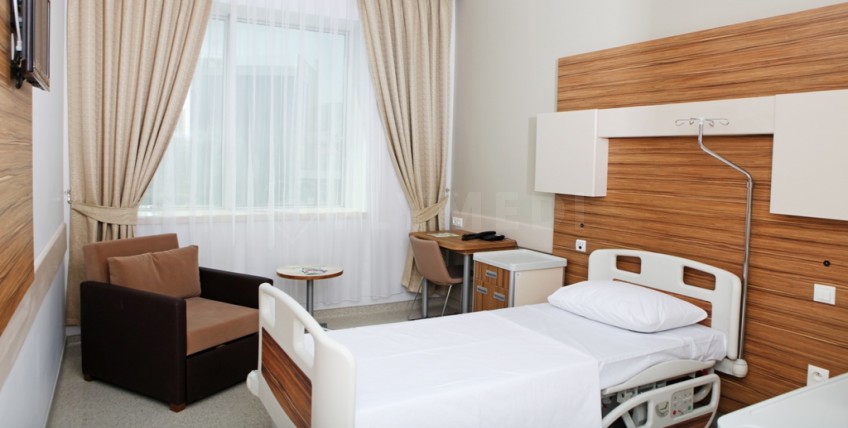
  • A dedicated transplant unit. Positive-pressure rooms with filtered air, and a ward that does only this work, are not the same as a general oncology ward.
  • Named haematologist, not a coordinator. You should know who will be responsible for the clinical decisions and be able to speak to them before you travel.
  • Paediatric capability, if the patient is a child. Paediatric transplant is a separate discipline with its own unit, staffing and school provision.
  • Ministry of Health authorisation. Turkey licenses transplant centres specifically, and authorisation for international patients is a separate register.

What drives the cost

A transplant is not a fixed-price procedure and any quote that looks like one deserves questions. What you are really buying is a variable length of specialised inpatient care.

  • Autologous or allogeneic. The donor search, the conditioning and the length of stay all differ, and so does the price bracket.
  • Donor sourcing. A family donor costs little to identify. An unrelated register donor involves search, collection and transport fees that are charged separately.
  • Length of admission. The largest variable by far. Complications extend the stay, and the daily rate for a transplant bed is what drives the total.
  • Intensive care. Ask whether ICU days are inside the quote or outside it.
  • Medication after discharge. Immunosuppressants, antivirals and antifungals continue for months and are a substantial ongoing cost.

The clinic list on this page shows the current price for each hospital with a label saying what it covers. If staged payment matters, the payment plans page explains how it works.

Sources

  • JACIE, the Joint Accreditation Committee ISCT-EBMT, standards for haematopoietic cell transplant programmes.
  • European Society for Blood and Marrow Transplantation, patient information and registry reporting.
  • NHS, stem cell and bone marrow transplants.
  • Turkish Ministry of Health, licensing of transplant centres and health tourism authorisation.

Frequently asked questions

Answers from the medical content team, reviewed by the medical reviewer named on this page.

How much does a bone marrow transplant cost in Turkey?
It depends on whether the transplant is autologous or allogeneic, where the donor comes from, how long the admission lasts and whether intensive care is needed. The clinic list on this page gives the current price per hospital with a note of what it covers, and you should also ask what is excluded.
Is a bone marrow transplant the same as a stem cell transplant?
In practice yes. The cells are the same blood-forming stem cells; the name reflects where they were collected. Most donations today come from the bloodstream after growth factor injections rather than from the marrow under anaesthetic.
Who can be a donor?
A tissue-matched sibling, a matched volunteer from an international register, a half-matched relative in a haploidentical transplant, or stored cord blood. Which options are open to you depends on your tissue type and your family.
How long do we need to stay in Turkey?
Months rather than weeks. There is the admission itself, then a period living close to the hospital through the highest-risk phase after discharge. Plan accommodation and visas on that basis.
Does the donor need to travel too?
For a family donation, yes, and they need their own assessment, visa and time off. Register donations are collected in the donor's own country and the cells are transported.
Is donating painful?
Peripheral blood collection is done through a drip over several hours, with aching and flu-like symptoms from the injections beforehand. Marrow harvest is done under anaesthetic and leaves soreness in the hips for some days.
Can this treat thalassaemia or sickle cell disease?
A transplant is an established treatment option in both, most often in children with a matched donor. Whether it is appropriate is a decision for a haematologist who knows the case, weighing it against the risks and against continuing standard treatment.
What is graft-versus-host disease?
A reaction in which donor immune cells recognise the recipient's tissues as foreign and attack them, usually affecting skin, gut or liver. It occurs after allogeneic transplants, has acute and chronic forms, and is managed with immune-suppressing medication.
Can we bring our own consultant into the decision?
You should. A responsible centre will speak to your haematologist directly and will expect to receive your records rather than a summary. If that is discouraged, treat it as a warning.
What follow-up is needed after we come home?
Lifelong. Immunosuppression is tapered under supervision, childhood vaccinations are repeated, and checks continue for chronic graft-versus-host disease, hormone and fertility effects and second cancers. Arrange who does this before you travel.

About this page

Written by Abdulaziz Ali, Leading Medical Writer & Strategist at Flymedi. Medically reviewed by Dr. Hasan L. Lice, Bariatric surgery. Content updated 6 February 2025. Next scheduled review 6 February 2026.

This page is general information, not personal medical advice. It does not diagnose you and it does not replace an individual assessment by a doctor who has examined you.

Found something wrong or out of date on this page? Tell us and we will check it. Editorial standards and reviewer list: authors and reviewers.

Ready to compare offers?

Tell us about your case and a coordinator matches you with clinics that fit it.

Match me with a clinic