Blog
Toothpaste for veneers: what to use and what to avoid

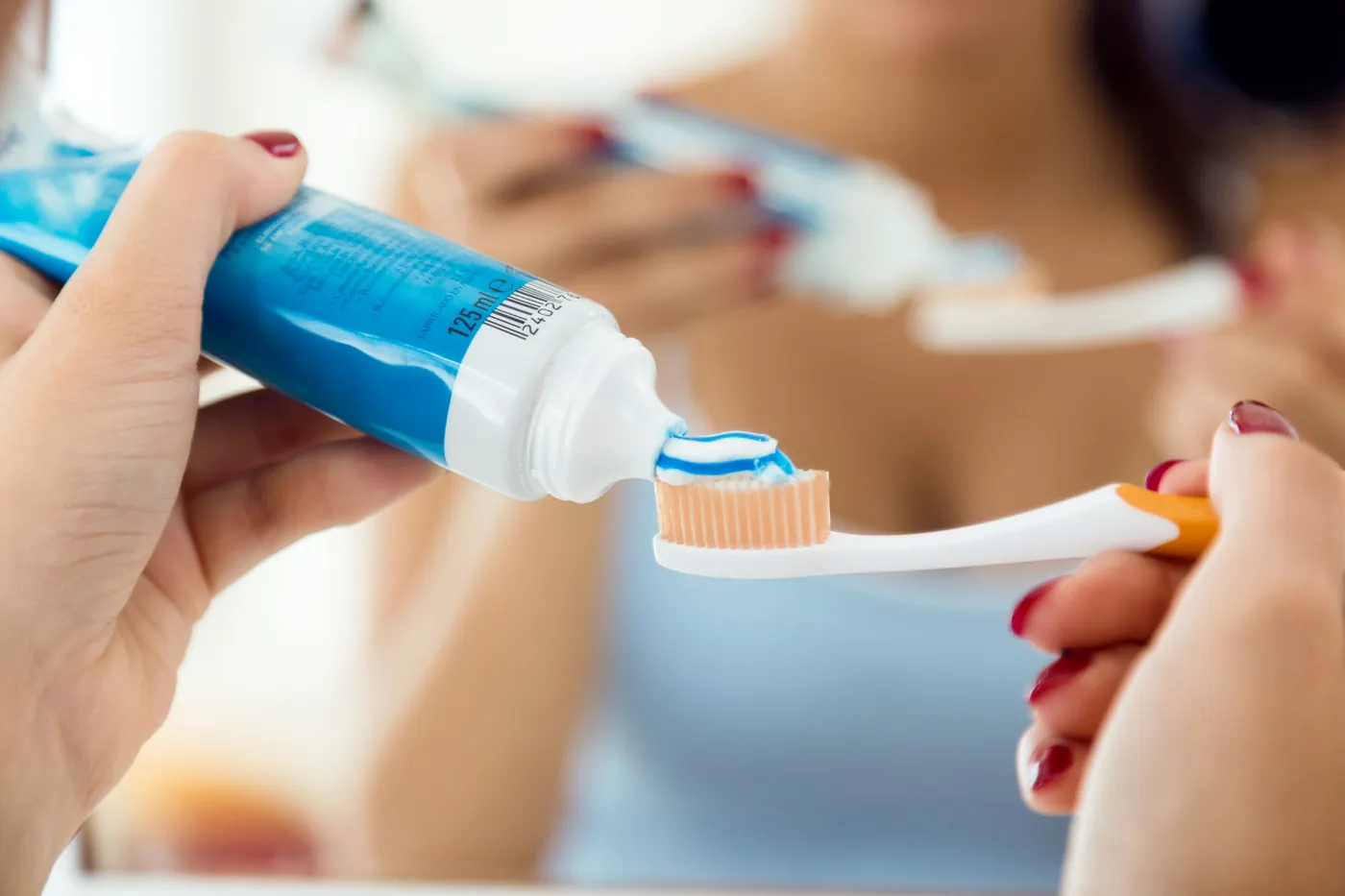
The short answer: choose a low-abrasion toothpaste with fluoride and no harsh whitening agents, and use it with a soft-bristled brush. Veneers do not decay, but the natural tooth around and under them can, and a gritty paste slowly dulls the polished surface that makes veneers look like teeth. The rest of this guide explains what that means on the label, and where porcelain and composite veneers need different care.
Why toothpaste matters once you have veneers
A veneer is a thin shell bonded to the front of a tooth. Its surface is polished or glazed so that it reflects light like enamel and resists stains. Everything that scrubs that surface, from the abrasive particles in toothpaste to a hard brush pressed too firmly, wears a little of the shine away. Once the surface is rougher, it picks up stains and plaque more easily and starts to look different from the teeth around it.
The other job of toothpaste is to protect what you cannot see. The edge where a veneer meets the tooth, close to the gum, is the place where plaque collects and decay can start. A veneer can look perfect while the tooth underneath is in trouble, which is why fluoride matters as much as gentleness.
What to look for on the label
- Low abrasion. Toothpastes are rated for how abrasive they are, a measure called RDA (relative dentin abrasivity). Not every brand prints it, but pastes sold for sensitive teeth or labelled low abrasion are usually on the gentle end. If you cannot find the rating, ask your dentist to name a product.
- Fluoride. It strengthens the natural enamel around the veneer edges and at the gum line, which is where problems usually begin.
- No whitening claims. Whitening pastes rely on extra abrasives or peroxide. Neither changes the color of a veneer, and the abrasives can wear its surface.
- A smooth texture. A paste that feels gritty on the tongue is a warning sign. Some gel formulas are gentler, but check the label rather than assuming.
- Desensitizing ingredients, if you need them. Teeth prepared for veneers can be sensitive for a while. A paste for sensitive teeth, often with potassium nitrate or stannous fluoride, can help and is usually low in abrasion too.
Ingredients and products to avoid
- Whitening and stain-removal pastes, including those marketed to smokers or coffee drinkers, which tend to be among the more abrasive on the shelf.
- Charcoal toothpaste, which is gritty and can leave dark particles at the edges of veneers.
- Baking soda pastes used every day, which some people find too abrasive for polished restorations.
- Home whitening strips and gels used to change a veneer's shade. They do not lighten porcelain or composite; they lighten only your natural teeth, which can leave the veneers looking darker by comparison.
- Tooth powders and DIY scrubs, such as salt or lemon mixtures, which are abrasive or acidic or both.
Toothpaste for porcelain veneers
Porcelain veneers are glazed ceramic, harder than composite and good at resisting stains. That makes them forgiving, but not indestructible: the glaze is a thin outer layer, and years of scrubbing with an abrasive paste can wear it down, leaving the surface duller and more prone to picking up surface stains.
For porcelain, an everyday low-abrasion fluoride toothpaste is enough. There is no need for a specialist paste, although some are made specifically for ceramic restorations. What matters more is how you brush: a soft brush, light pressure and the right technique at the gum line.
Toothpaste for composite veneers
Composite veneers are made of tooth-colored resin built up and shaped on the tooth. Resin is softer than porcelain, so it scratches and loses its polish more easily, and it absorbs stains from coffee, tea, red wine and smoking over time.
That makes the choice of toothpaste more important with composite. Avoid whitening and charcoal pastes completely, use a low-abrasion paste, and expect to need occasional professional polishing to bring back the shine. Some dentists also advise an alcohol-free mouthwash for people with composite, because alcohol may soften resin surfaces over time. Ask yours what they prefer.
Can you use whitening toothpaste on veneers?
You can, in the sense that it will not destroy them overnight, but it will not do what the tube promises. Porcelain and composite do not respond to whitening agents, so the veneers stay the same color. What the paste can do is wear down the polished surface over time, and lighten any natural teeth that are not covered, which makes the veneers stand out.
If you would like your natural teeth whiter, the time to do it is before your veneers are made. The dentist can then match the veneers to your new shade. After the veneers are fitted, changing the color of the veneers themselves means replacing them.
Veneers and crowns in the same mouth
Many people have veneers on the front teeth and crowns further back, especially after a full smile makeover. The good news is that the same advice covers both. Crowns and veneers are both polished restorations sitting on natural teeth, so a low-abrasion fluoride paste and careful cleaning at the gum line suit both. If you are not sure which of your teeth carry crowns and which carry veneers, our guide to what Turkey teeth are explains the difference.
How to clean veneers day to day
- Brush twice a day with a soft-bristled manual or electric toothbrush. If your electric brush has a pressure sensor, use it.
- Angle the bristles towards the gum line, where the veneer meets the tooth, and use small, gentle movements rather than scrubbing.
- Clean between your teeth every day with floss, interdental brushes or a water flosser. The edges between veneers are easy to miss.
- Do not bite hard objects such as ice, pens or bottle tops, and do not use your front teeth to open packaging.
- If you grind or clench your teeth at night, ask about a night guard. It protects veneers from chipping and wear.
- Keep up regular check-ups and hygiene visits, and tell the hygienist you have veneers so they can choose a suitable polishing paste.
How to keep veneers white
A smooth surface is what keeps veneers looking bright, so most of the work is the routine above. Porcelain resists stains well; marks that do appear are usually on the surface or at the edges and come off with professional cleaning. Composite stains more readily, so it helps to rinse with water after coffee, tea or red wine, and to avoid smoking.
What does not help is trying to whiten the veneers themselves. If they have darkened or stained deeply over the years, a dentist can polish composite, or discuss replacing a veneer that no longer matches.
If you are planning veneers
Aftercare is easier when it is part of the plan from the start. Before treatment, ask the dentist which material they will use, porcelain or composite, because that decides how much care the surface will need. Ask which toothpaste and brush they recommend for that material, whether you should whiten your natural teeth first, and who will look after polishing and check-ups once you are home.
If you are comparing clinics, our page on veneers in Turkey lists the clinics that offer the treatment, and our guide to veneers covers how the procedure works and who it suits.
Medical disclaimer
This article is informational, not medical advice. Always consult a licensed physician about your individual case before booking any procedure.