
Blog
Aquiline Nose: A Dive into Roman Nose Characteristics

Published 22 December 2023 · Last updated in September 2026

The human nose, prominently residing at the center of our faces, is more than just a vital organ for breathing and smelling. It's a crucial aspect of our identity, shaping how we see ourselves and how others perceive us. Among the various nose shapes, the aquiline or roman nose stands out as a symbol of classical beauty and distinctiveness.
What is an Aquiline Nose?
Often referred to as the roman nose, the aquiline nose is renowned for its unique characteristics. The term 'aquiline' is derived from the Latin word 'aquilinus,' meaning 'eagle-like.' This is a nod to the nose's curved, downward shape, resembling an eagle's beak. It's distinguished by a prominent bridge, which may have a visible bump, and often, a slightly drooping tip. This nose type exudes an air of nobility and grace, often seen gracing the statues of ancient Roman and Greek figures.
The Roman Nose in Different Cultures
While the roman nose is often associated with classical European features, it transcends cultural and ethnic boundaries. This nose shape is prevalent among various ethnic groups worldwide, with a notable presence in South Asian communities, particularly in Afghanistan and Pakistan. The aquiline nose is a testament to the diverse beauty standards across the globe.
Embracing Your Roman Nose: A Perspective on Beauty and Identity
For individuals possessing an aquiline nose, this feature is a distinctive aspect of their facial symmetry, contributing to their unique beauty. However, in a world where aesthetic preferences evolve, some might consider reshaping their roman nose. For those contemplating this change, it's crucial to seek professional advice and support.
Expert Advice at Your Fingertips: Dr. Tuğçe and Flymedi Clinics
When considering a rhinoplasty or any cosmetic procedure for your roman nose, expert guidance is paramount. Dr. Tuğçe from Luna Clinic Turkey stands out as a renowned specialist in the field, offering expert care and personalized treatment plans.
Additionally, for those exploring options beyond Turkey, Flymedi provides access to a network of reputable clinics worldwide, ensuring you find the right fit for your aesthetic needs.
Exploring the World of Nose Types: The Charm of the Button Nose
In the vast array of nose types, each shape carries its own charm and character. From the distinguished roman nose, we shift our focus to another popular and widely admired nose type: the button nose.
What is a Button Nose?
The button nose is often celebrated for its petite and symmetrical appearance. Characterized by its small size and rounded tip, it resembles, as the name suggests, a button. This type of nose is typically less prominent than an aquiline nose and has a subtle, delicate structure that complements various facial features.
The Appeal of the Button Nose
A button nose is frequently associated with youthful attractiveness. Its subtle contours and unobtrusive profile make it a desired trait for many. In the realm of aesthetics, it's often seen as a symbol of gentleness and refinement, contrasting the more pronounced and regal appearance of the roman nose.
Cultural Perception of the Button Nose
Culturally, the button nose is often viewed with a sense of endearment and is a coveted feature in many societies. It is seen as a standard of beauty in numerous media portrayals, adding to its popularity and desirability among people considering nasal cosmetic procedures.
Achieving the Desired Nose Shape: From Roman to Button
While some individuals take pride in their natural nose shape, be it roman, button, or any other type, others might seek to alter their appearance. The decision to change one's nose shape, such as transitioning from a roman to a button nose, should be approached with careful consideration and professional guidance.
Consulting with Experts: Clinics and Specialists
For those interested in achieving a button nose appearance, expert consultation is key. Clinics within the Flymedi network, including specialists like Dr. Tuğçe from Luna Clinic Turkey, offer comprehensive advice and advanced procedures. These professionals can guide you through the possibilities of reshaping your nose to align with your aesthetic goals, ensuring that the outcome compliments your overall facial symmetry.
Celebrating Diversity in Nose Shapes
Whether it's the distinguished roman nose or the charming button nose, each type brings its unique beauty to our facial features. Understanding the different types of noses helps us appreciate the diversity in human appearance and the various ways people choose to embrace or enhance their natural beauty.
As always, when considering any changes, it's crucial to consult with experienced professionals who can provide personalized advice and care.
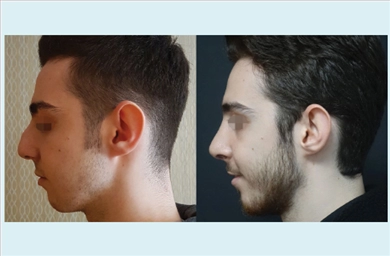
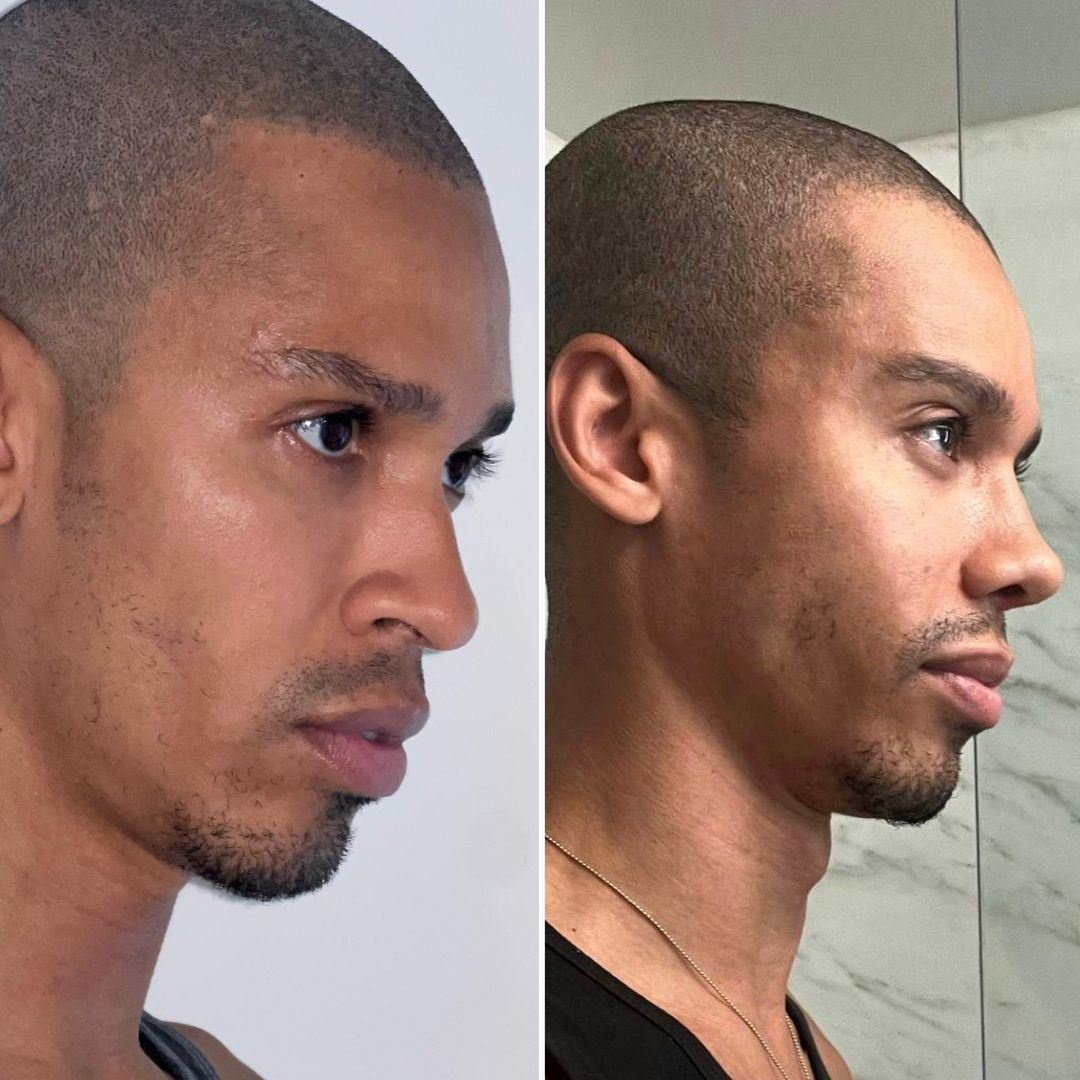
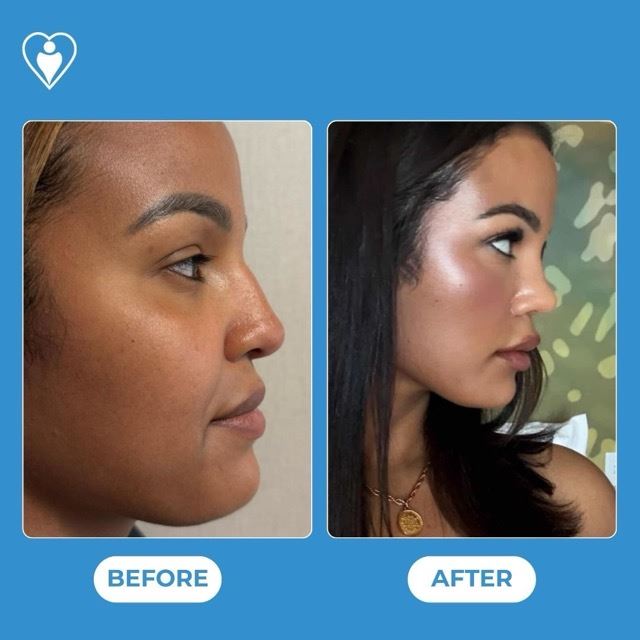
Before / After







Take The First Step Get Started!
Our team will dedicate their effort and time to help you choose the clinic best for you. Our goal is not just to find ‘a doctor’ for you, but to find ‘the right doctor’.
Medical disclaimer
This article is informational, not medical advice. Always consult a licensed physician about your individual case before booking any procedure.


