
Wansiri Hospital ✔ Verified
Bangkok, Thailand · 15 clinic reviews
9.5FlymediScore
Lead: Dr. Saran Wannachamras, Plastic surgery

Speaks EN · TH
Rhinoplasty in Thailand is mostly augmentation for Asian noses, while a Western nose usually needs a reduction, so the first question for any surgeon is which operation they do every week. This page explains how to check a surgeon and hospital, what a package in Bangkok, Phuket or Pattaya covers, when you can fly home and what decides the price, so the quotes below make sense.
Figures are ranges, not promises. Suitability needs an individual assessment by a doctor.
Each clinic sets its own price, so check what the price includes before comparing two of them.


Bangkok, Thailand · 15 clinic reviews
Speaks EN · TH


Bangkok, Thailand · 10 clinic reviews
Speaks EN · TH
Send your details and a coordinator will tell you which clinics are appropriate for your case, and which are not.


Bangkok, Thailand · 15 clinic reviews
Speaks EN · TH

Bangkok, Thailand
Speaks EN · TH

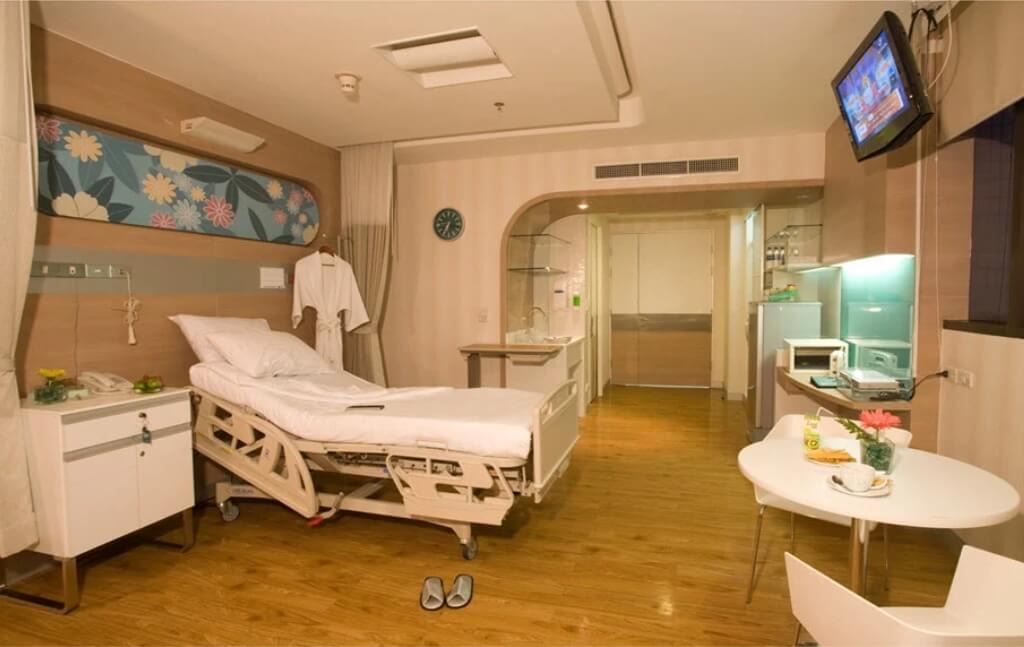
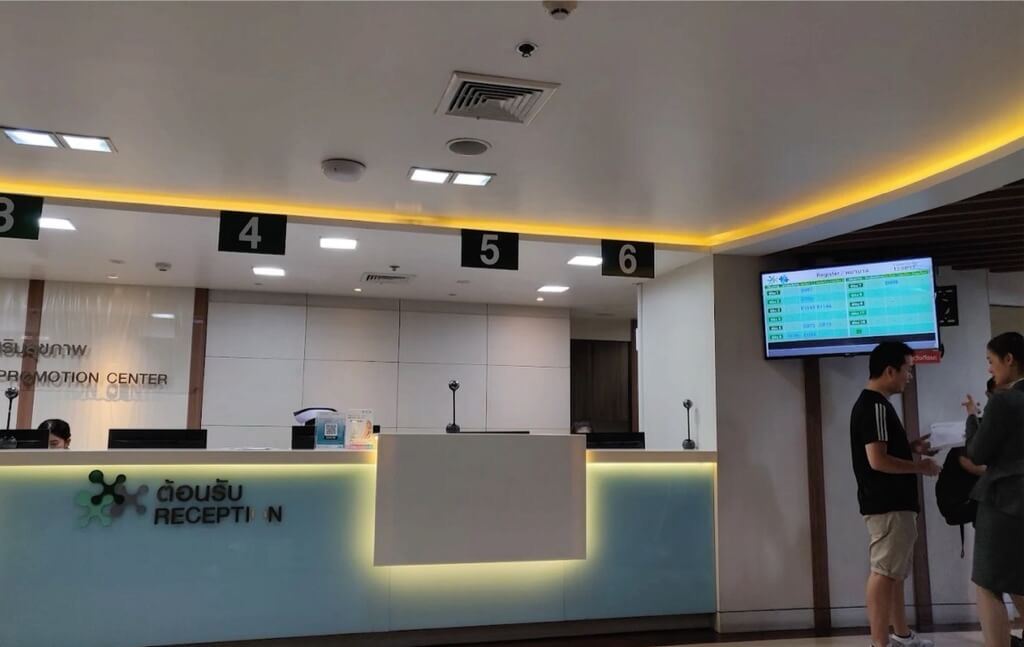
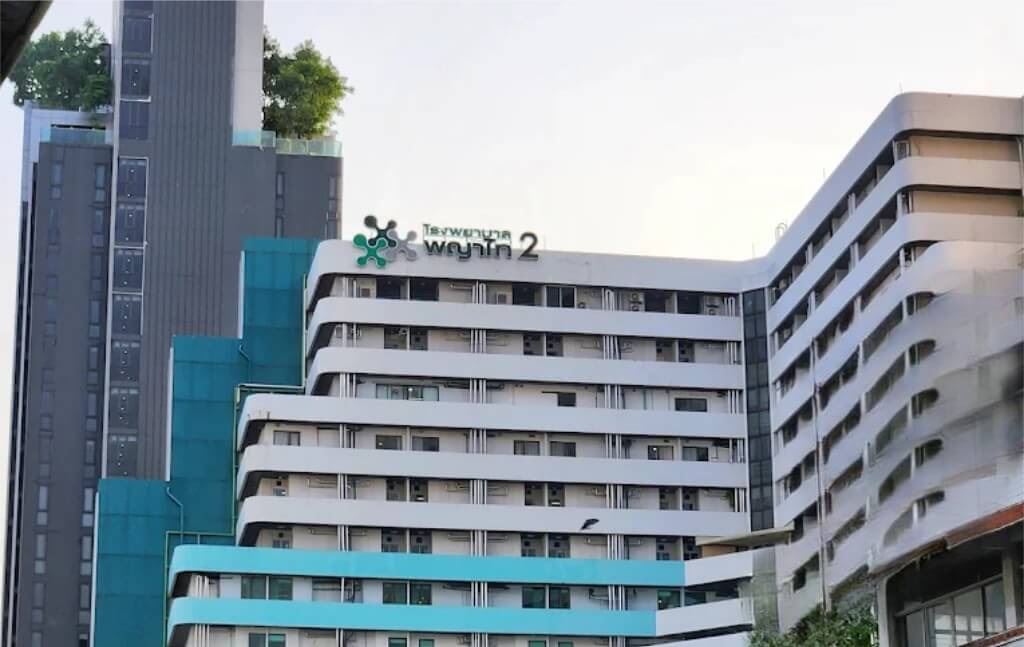
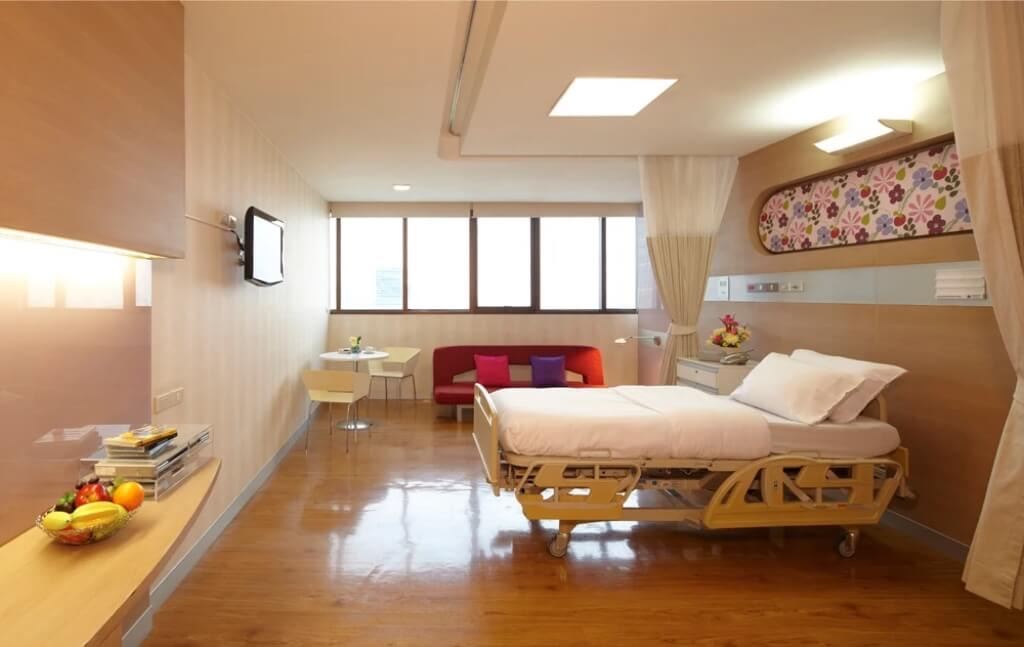

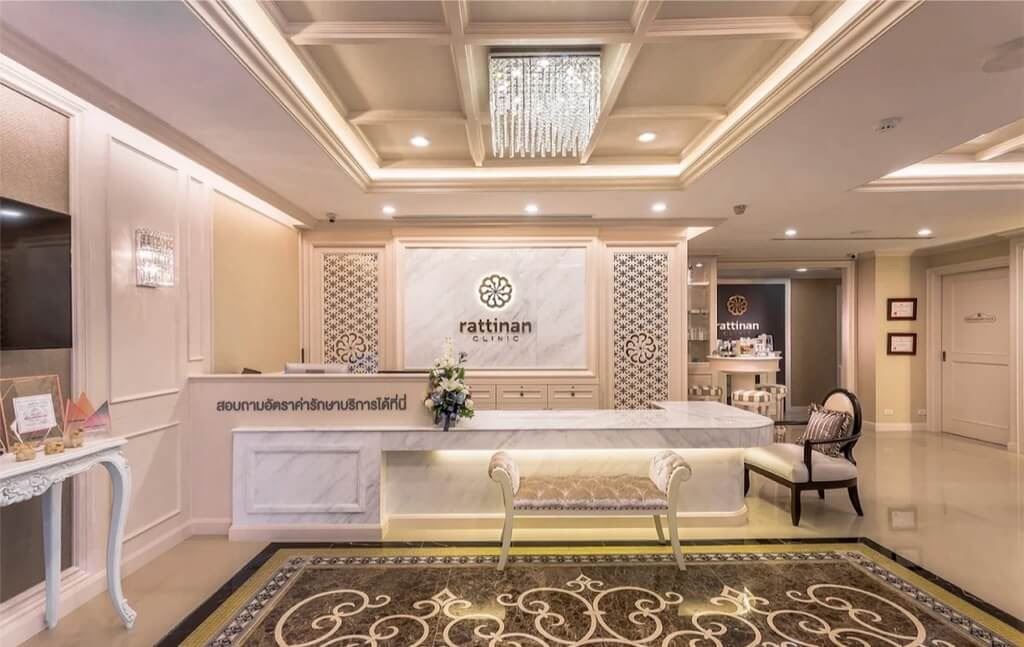
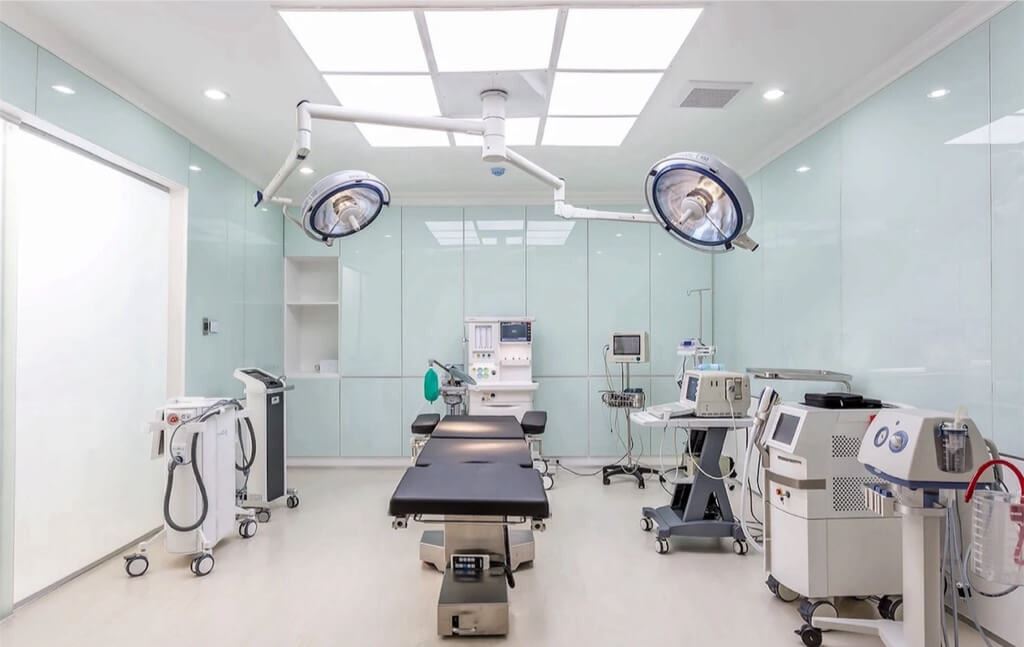
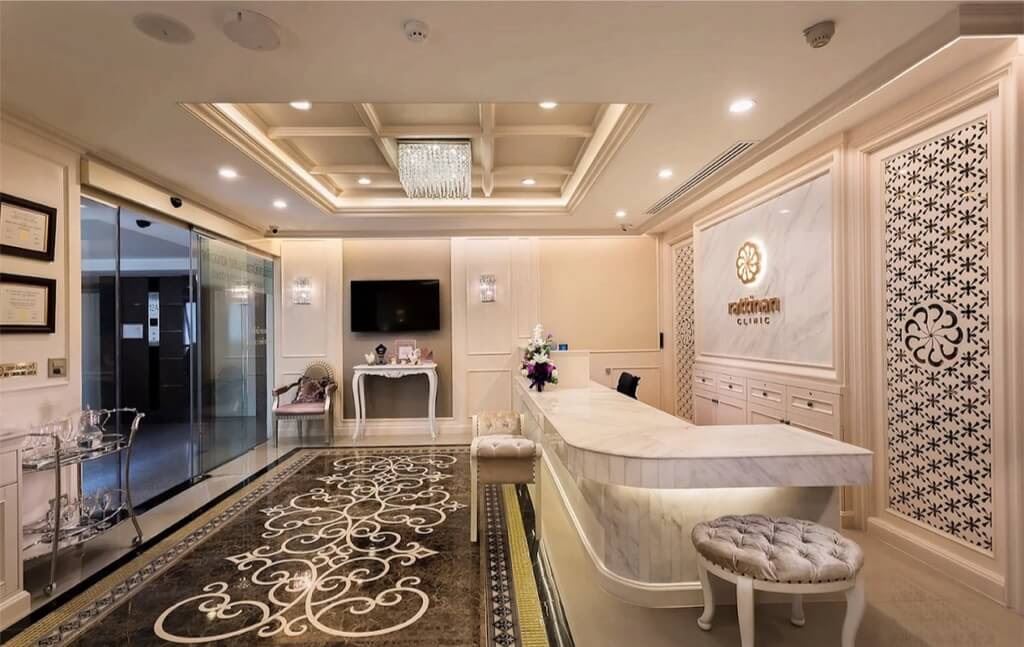
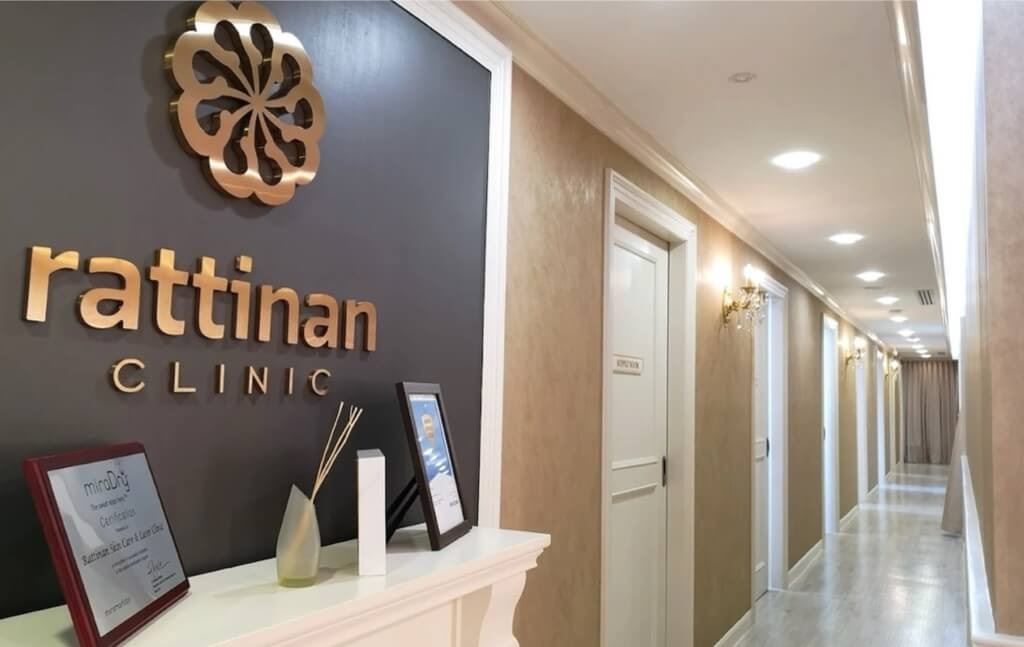
Bangkok, Thailand
Speaks EN · TH

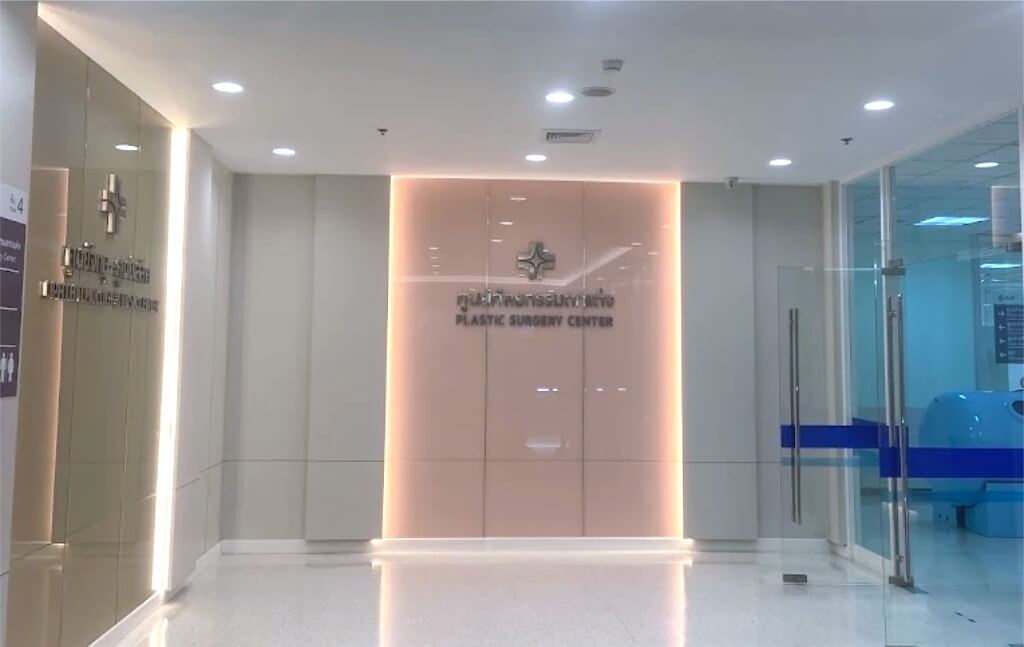
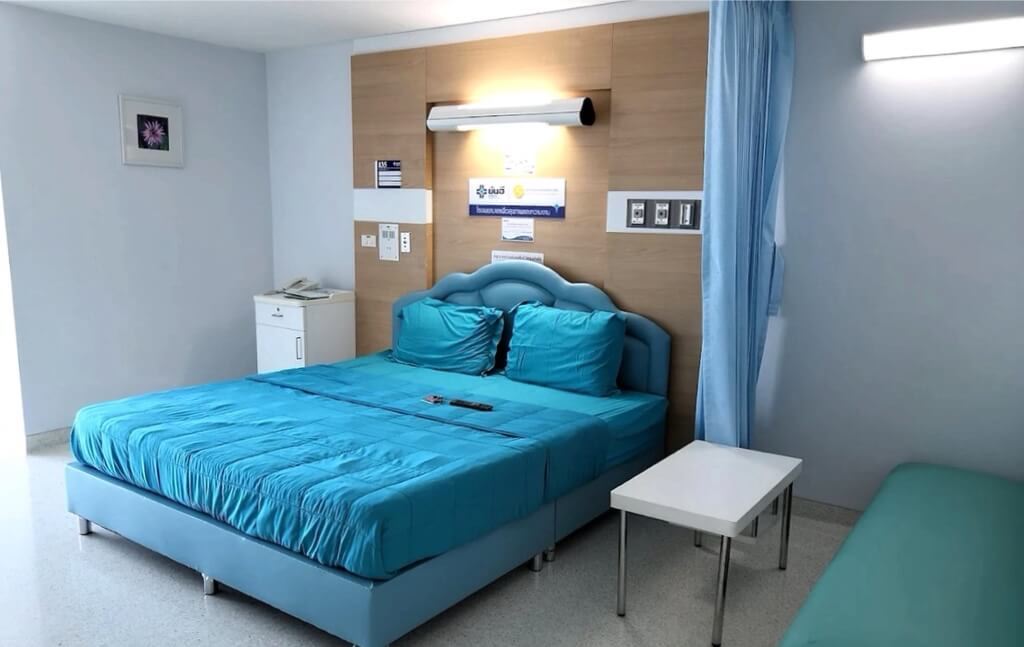
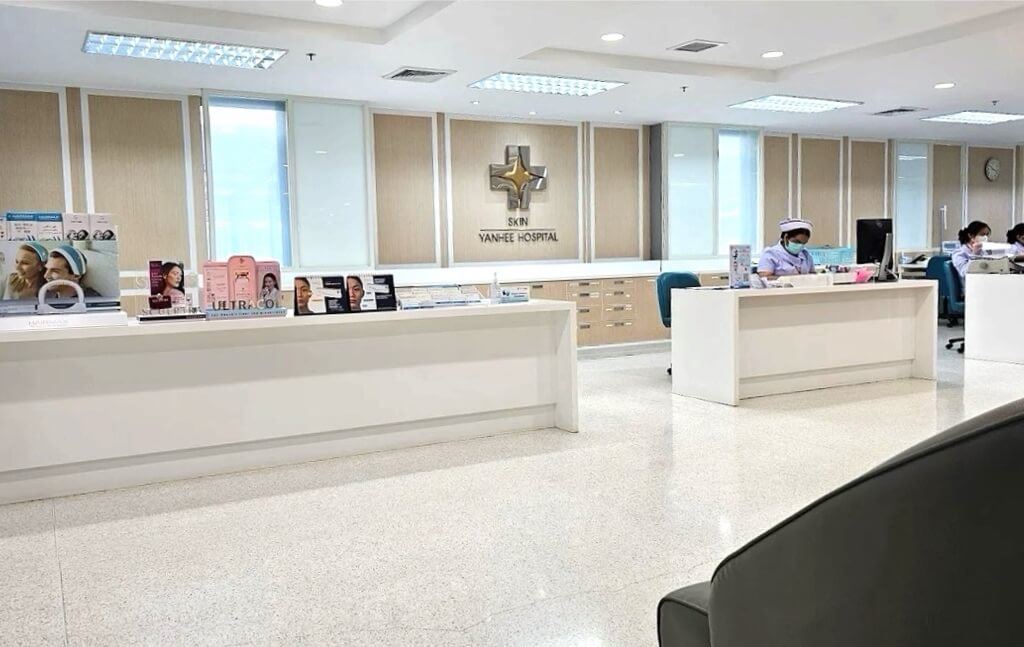
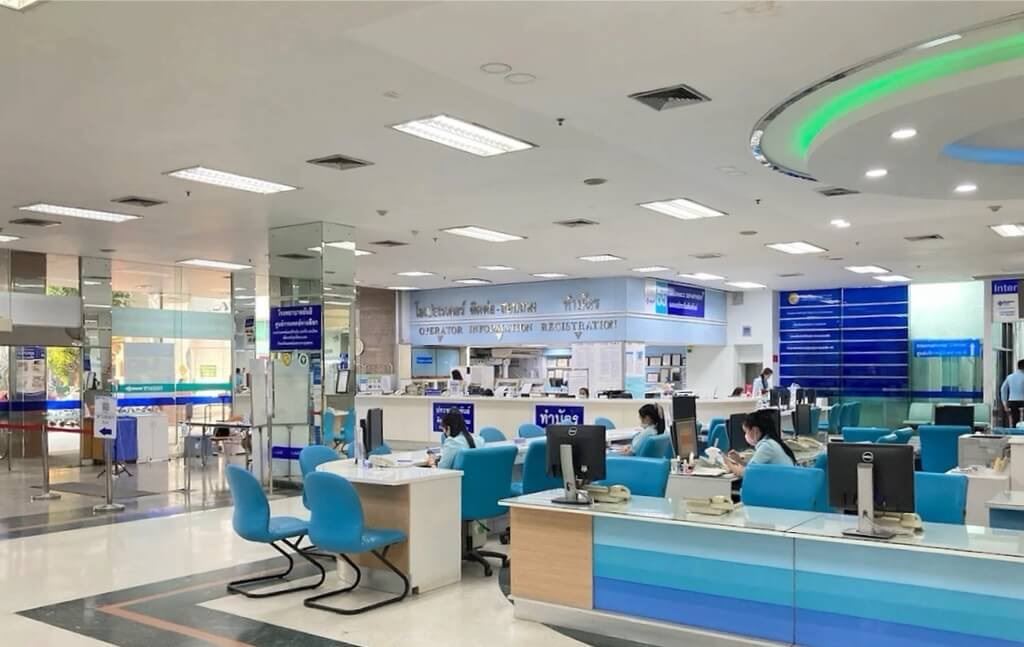
Bangkok, Thailand
Speaks EN · TH

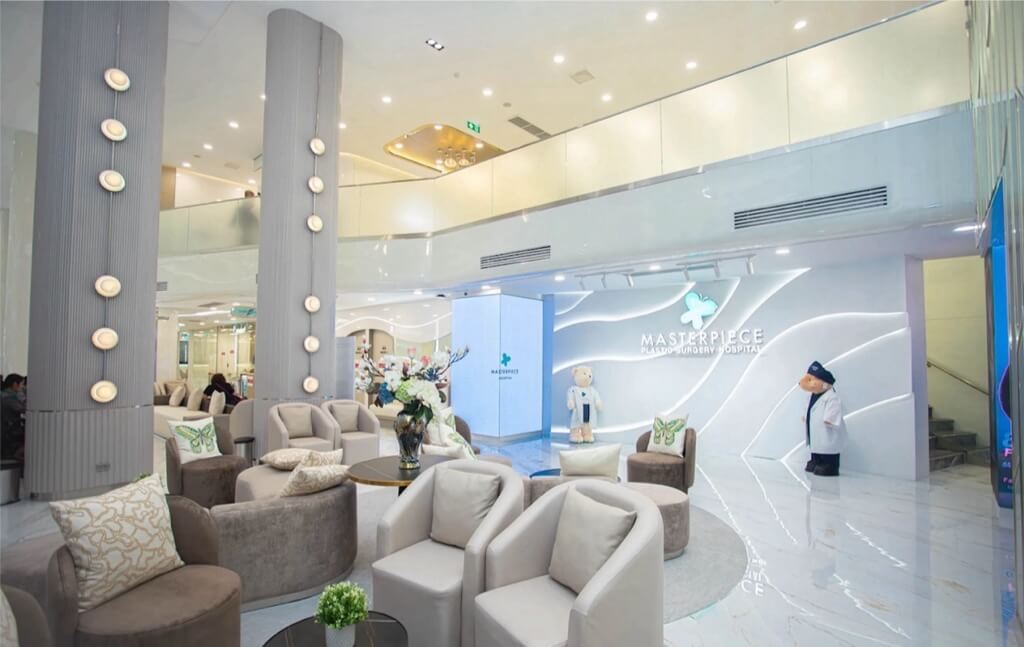
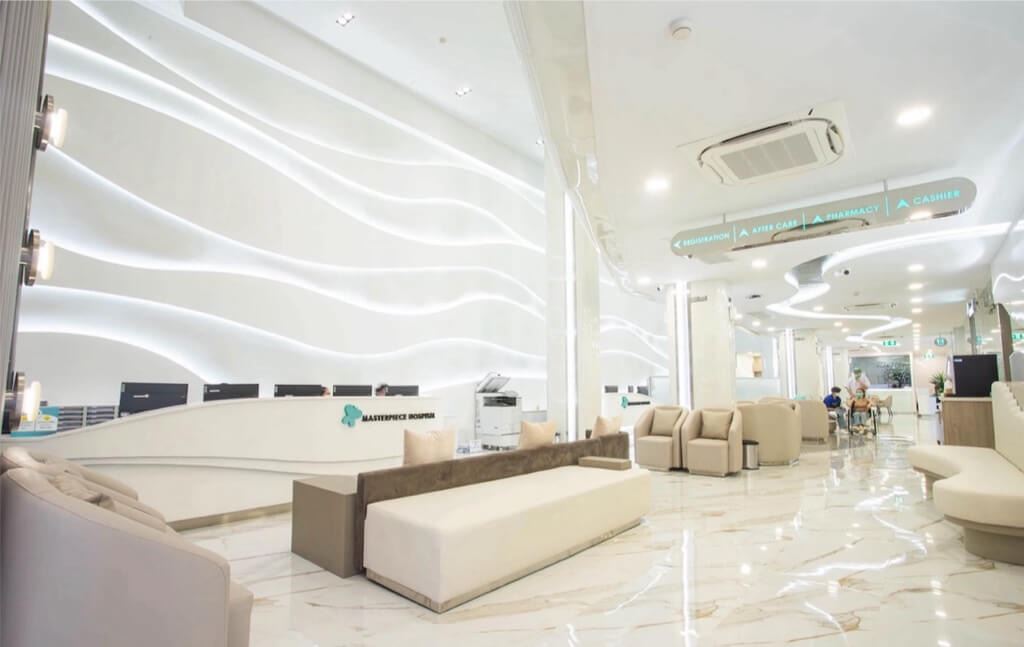
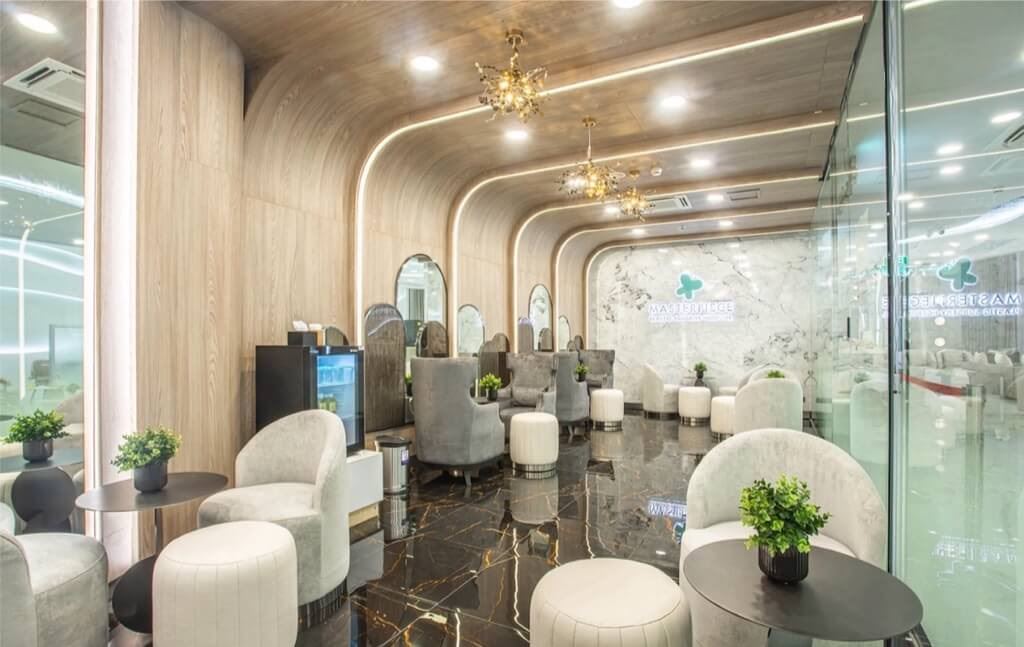
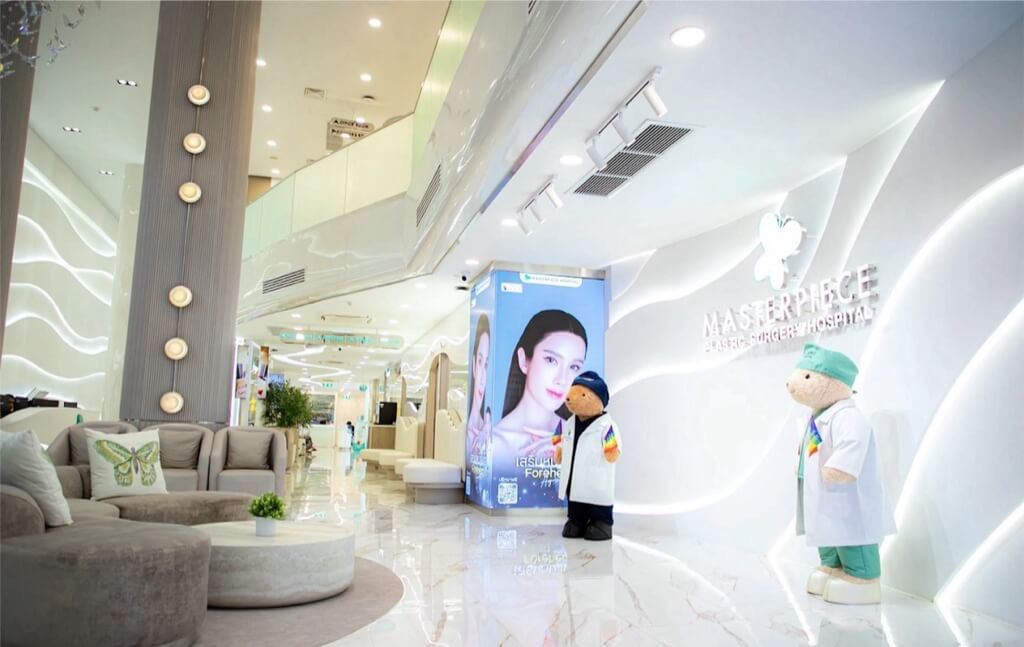
Bangkok, Thailand · 10 clinic reviews
Speaks EN · TH


Clinics are scored and ordered by Flymedi. How ranking works.
Patients treated through Flymedi, in their own words. Nothing loads or plays until you press play.
Youssef
Rhinoplasty
Spoken in EnglishSource: YouTube
Alexandra Arhire
Rhinoplasty
Spoken in EnglishSource: YouTube
Mia Hayes
Rhinoplasty
Spoken in EnglishSource: YouTube
Catalina Paduraru
Rhinoplasty
Spoken in EnglishSource: YouTube
Alyce Jordan
Rhinoplasty
Spoken in EnglishSource: YouTube
Briana
Rhinoplasty
Spoken in EnglishSource: YouTube
Claudia Frone
Rhinoplasty
Spoken in EnglishSource: YouTube
Sheoni & Jayden
Rhinoplasty
Spoken in EnglishSource: YouTube
Rebecca
Rhinoplasty
Spoken in EnglishSource: YouTube
Alex
Septoplasty
Spoken in EnglishSource: YouTube
Clinics are scored from patient reviews and ordered by Flymedi. The facts behind each position are listed below. How ranking works.
| Rank | Clinic | FlymediScore | Lead doctor | Experience | From | Why it is ranked here |
|---|---|---|---|---|---|---|
| 1 | Wansiri Hospital | 9.5 | Saran Wannachamras | 45 years | €3,500Treatment only | 9 doctors listed. |
| 2 | Asia Cosmetic Hospital | 9.5 | Vatee Nakakes | 28 years | €3,000Treatment only | 10 clinic reviews. |
| 3 | ID Clinic | 9.5 | 1 doctor | Not listed | €2,500Treatment only | Lowest listed price on this page. |
| 4 | Kamol Cosmetic Hospital | 9.5 | Akaradech Attainsee | 24 years | €4,780Treatment only | 15 clinic reviews. |
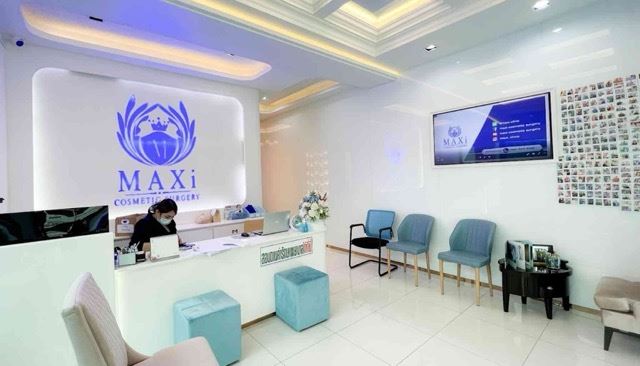
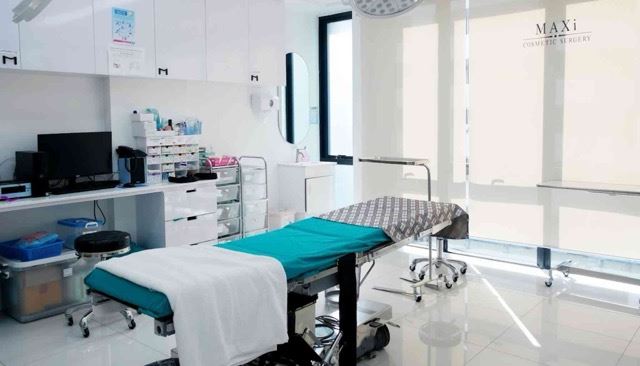
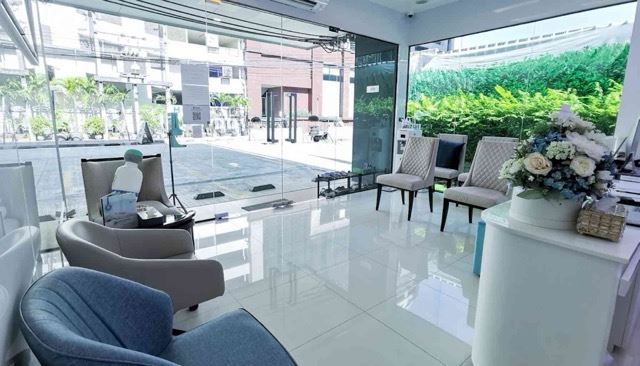
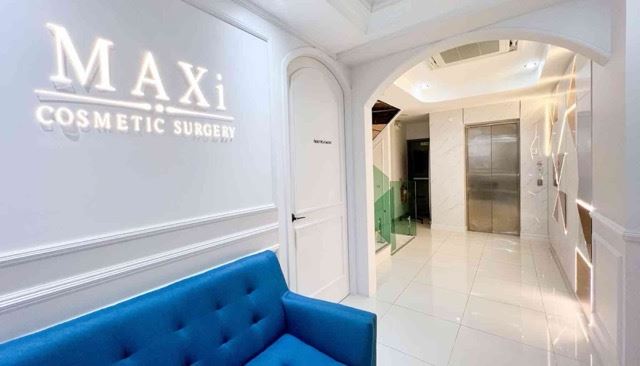
| 5 | MAXI Cosmetic Surgery | Not listed | Kanit Wittayavanichai | 20 years | €4,000Treatment only | No reviews yet; ordered by listing priority. |
| 6 | Phyathai 2 International Hospital | Not listed | 1 doctor | Not listed | Price on request | No reviews yet; ordered by listing priority. |
| 7 | Rattinan Medical Center | Not listed | Suthipong Treeratana | 31 years | Price on request | No reviews yet; ordered by listing priority. |
| 8 | Yanhee Hospital Health & Beauty | Not listed | Kittichai Sipiyarak | 29 years | Price on request | No reviews yet; ordered by listing priority. |
| 9 | Masterpiece Hospital | 9.5 | Chanakorn Tuenaree | 20 years | €5,500Treatment only | 10 clinic reviews. |
| 10 | Intrarat Hospital | 9.5 | 1 doctor | Not listed | Price on request | 10 clinic reviews. |
Most rhinoplasty done in Thailand is augmentation: a silicone or cartilage implant that raises a low bridge and lengthens the tip, which is what the majority of Thai and East Asian patients ask for. A Western nose usually needs the opposite operation, a reduction: taking down a hump, narrowing the bones, refining a bulbous tip, often straightening a deviated septum at the same time. Both are rhinoplasty, but they are different skills, and the first thing to establish is which one the surgeon you are looking at actually does every week.
Bangkok's large private hospitals and the plastic surgery hospitals of Phuket and Pattaya all treat international patients, quote in Thai baht and sell packages that bundle the surgeon, the theatre, the anaesthetist and the follow-up until the splint comes off. This page explains how to check a surgeon and a hospital, what those packages do and do not include, when you can fly home and what moves the price, so that the quotes in the clinic listing below make sense.
Rhinoplasty is surgery that changes the shape of the nose: the bridge, the tip, the nostrils or the angle between the nose and the upper lip. Working through incisions inside the nose (closed technique) or with a small additional cut across the strip of skin between the nostrils (open technique), the surgeon reshapes the bone and cartilage that give the nose its form. When the septum inside the nose is also straightened to improve breathing, the operation is called a septorhinoplasty.
It is done under general anaesthetic, usually as a day case or with one night in hospital. A splint protects the nose in the first days, most of the swelling settles over the following months and the final shape appears gradually over the year that follows. It is one of the operations where the surgeon's experience shows most clearly in the result.
Rhinoplasty in Thailand grew up around Asian noses. The typical request is a higher bridge and a longer, more defined tip, and the typical answer is an implant, usually silicone, sometimes a synthetic sheet or the patient's own rib or ear cartilage. Thai surgeons do a great deal of this work and many are very good at it.
Reduction rhinoplasty is a different operation. It removes bone and cartilage rather than adding it, it usually needs the nasal bones broken and reset, and it lives or dies on tip work and on how the skin redrapes over a smaller frame. The surgeons who do it well in Thailand tend to be those trained or fellowship-trained abroad, or those at hospitals with a steady flow of Western, Middle Eastern and South Asian patients. Ask directly how many reductions the surgeon does in a year and ask to see their healed results at a year, not at a month.
If your nose needs both, for instance a low bridge with a wide tip, or a previous augmentation that has gone wrong, say so at the first contact. Structural and revision work is the hardest part of the field, and the hospital's international department should be able to name the surgeon who takes those cases rather than assigning whoever is free.
A deviated septum with breathing problems is treated in the same operation as septorhinoplasty. A nose that has already been operated on belongs on the revision rhinoplasty page, and patients of African, Middle Eastern or South Asian heritage should read ethnic rhinoplasty in Thailand before choosing a surgeon.
Thailand regulates surgeons and facilities separately, and both checks matter. The surgeon should hold a licence from the Medical Council of Thailand and the Thai Board of Plastic and Reconstructive Surgery, which is the specialist qualification issued through the Royal College of Surgeons of Thailand. Membership of the Society of Plastic and Reconstructive Surgeons of Thailand or the Society of Aesthetic Plastic Surgeons of Thailand is a further sign that the surgeon trained in the specialty rather than moving into cosmetic work from elsewhere.
The facility should hold a Ministry of Public Health licence for the type of surgery it performs. Private hospitals in Bangkok, Phuket and Pattaya commonly carry Hospital Accreditation from Thailand's Healthcare Accreditation Institute, and several also hold Joint Commission International accreditation. A small cosmetic clinic may be licensed only for procedures under local anaesthetic; a rhinoplasty under general anaesthetic belongs in a facility with an anaesthetist, recovery staff and a way to admit you overnight.
Bangkok has the deepest bench: large private hospitals with international patient centres, interpreters, hotel arrangements and plastic surgery departments that see every kind of nose. It is also where most of the surgeons with overseas fellowships practise. Phuket has hospitals used to Australian and European patients and a plastic surgery hospital of its own, and it is the natural choice if you are combining surgery with a longer stay. Pattaya and Chiang Mai have fewer options but real ones.
Whichever city you choose, the recovery is not a beach holiday. Sun on a healing nose worsens swelling and can darken scars, heat makes swelling last longer, and salt water, pools and diving are off limits until the surgeon says otherwise. Plan the sightseeing for before the operation and the week after it for rest in air conditioning.
A package is a bundle priced in baht, and the word means different things at different hospitals. Get the contents in writing before you pay a deposit. A complete package covers the surgeon, the operating theatre, the anaesthetist and the drugs, the hospital night if you stay one, the splint and dressings, medication to take away, and the visits until the splint is removed.
Instalment options for the whole trip are described on the payment plans page. The clinic listing on this page shows each clinic's current price with a note of what it covers, and that note is the thing to compare, not the headline figure.
Cabin pressure changes, dry air and hours of sitting all work against a healing nose. The main risks on a long flight in the first days are a nosebleed and increased swelling, so surgeons in Thailand generally ask patients to stay until the splint is off and the wounds are checked before flying. For the flight itself, take an aisle seat, drink water, use saline spray, avoid alcohol, do not lift your own bags into the locker and do not sleep face down. Wear a hat and sunscreen on the way to the airport: Thai sun reaches a healing nose quickly.
Flights from Australia, the Gulf and much of Asia are direct and manageable. From Europe and North America the journey is long, and a connection adds another pressure cycle. That is a reason to plan the extra rest days in Thailand rather than to fly earlier.
A cosmetic rhinoplasty is not covered by the NHS, by Medicare in Australia or by a health insurer in the United States, and travel insurance excludes planned surgery and its consequences. If a complication appears after you land, an emergency department will treat fever, bleeding or infection like any other patient's, but the cosmetic correction of a disappointing result is yours to pay for, and many surgeons at home are reluctant to revise work they did not do.
Before you leave, decide who will see you when you are back: an ear, nose and throat surgeon or a plastic surgeon for the nose itself, your family doctor for fever or infection. Ask the hospital in Thailand for a discharge summary in English that names the operation performed, any implant or graft used and the medication list. That one document turns an awkward first appointment into an ordinary one.
If you are weighing Thailand against Turkey, the Turkey rhinoplasty page describes a market built around European patients and reduction work, with shorter flights from Europe. The rhinoplasty abroad page compares the destinations, and the plastic surgery in Thailand hub covers the other procedures people combine with a nose job.
Reviews left by patients treated through Flymedi for this treatment. Each one is written in the patient's own language.
O.· Rhinoplasty✓ Verified
5.0 · 18 February 2026
I came in for a revision rhinoplasty opinion. The surgeon was careful, explained limitations, and prioritized safety over promising perfection. The consultation was detailed and the staff were patient with all my questions. I felt I could trust their approach.
C.· Rhinoplasty✓ Verified
5.0 · 12 February 2026
The clinic is clean, the service is excellent and friendly, the doctor is professional and very gentle. The price is good and reasonable. I give it No. 1!
K.· Rhinoplasty✓ Verified
5.0 · 4 February 2026
Came to Bumrungrad for a rhinoplasty consult. The surgeon was conservative and focused on facial balance, not an extreme “one style fits all” nose. They discussed risks and recovery in detail, which made me feel comfortable.
S.· Rhinoplasty✓ Verified
5.0 · 2 February 2026
I went for a nose job consult and appreciated that the doctor didn’t push an extreme “high bridge” look. They talked about what would suit my face and what might not be possible with my skin thickness. The staff explained pricing and recovery clearly. Overall felt very professional.
27 reviews
Answers from the medical content team, reviewed by the medical reviewer named on this page.
Written by Abdulaziz Ali, Leading Medical Writer & Strategist at Flymedi. Medically reviewed by Op. Dr. Arda Akgün. Content updated 19 September 2026. Next scheduled review 19 September 2027.
This page is general information, not personal medical advice. It does not diagnose you and it does not replace an individual assessment by a doctor who has examined you.
Found something wrong or out of date on this page? Tell us and we will check it. Editorial standards and reviewer list: authors and reviewers.
Tell us about your case and a coordinator matches you with clinics that fit it.


