
Wansiri Hospital ✔ Verified
Bangkok, Thailand · 15 clinic reviews
9.5FlymediScore
Lead: Dr. Saran Wannachamras, Plastic surgery

Speaks EN · TH
A septorhinoplasty straightens the septum inside the nose and reshapes the outside in the same operation, which is why people looking for deviated septum surgery in Thailand usually land on this page rather than on a plain rhinoplasty page. The Bangkok hospitals listed here quote each case individually after a consultation, so this page explains what that quote is made of, who operates, how long you stay and how the flight home fits in. If you are still deciding whether you need the septum work at all, start with our septorhinoplasty treatment page and come back here for the Thailand specifics.
Figures are ranges, not promises. Suitability needs an individual assessment by a doctor.
Each clinic sets its own price, so check what the price includes before comparing two of them.


Bangkok, Thailand · 15 clinic reviews
Speaks EN · TH


Bangkok, Thailand · 10 clinic reviews
Speaks EN · TH
Send your details and a coordinator will tell you which clinics are appropriate for your case, and which are not.


Bangkok, Thailand · 15 clinic reviews
Speaks EN · TH

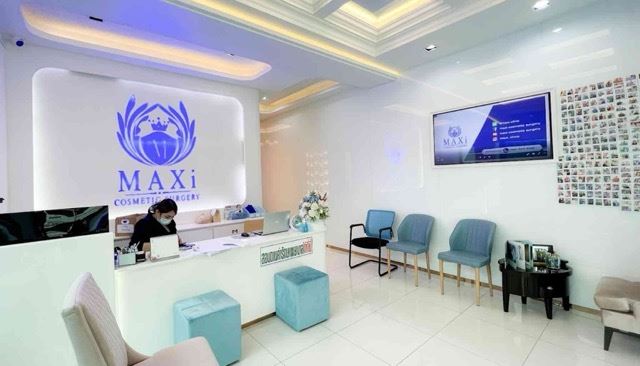
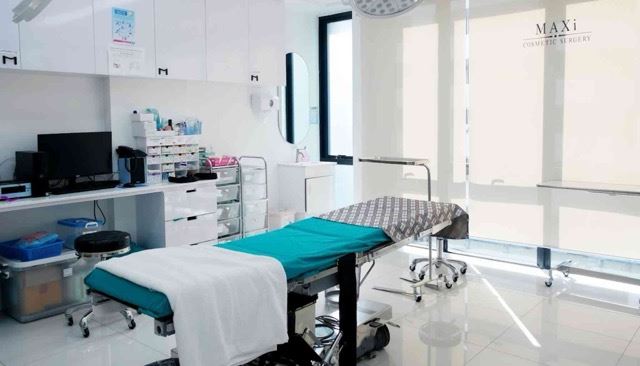
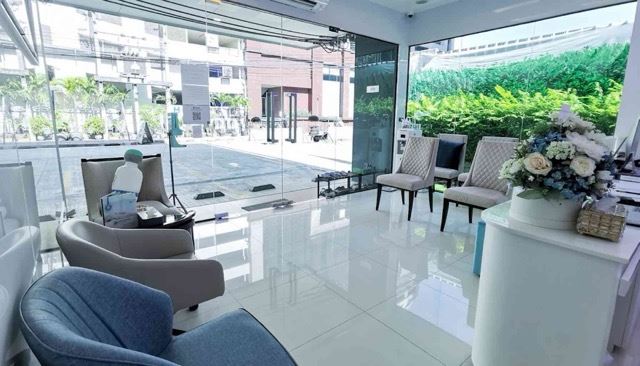
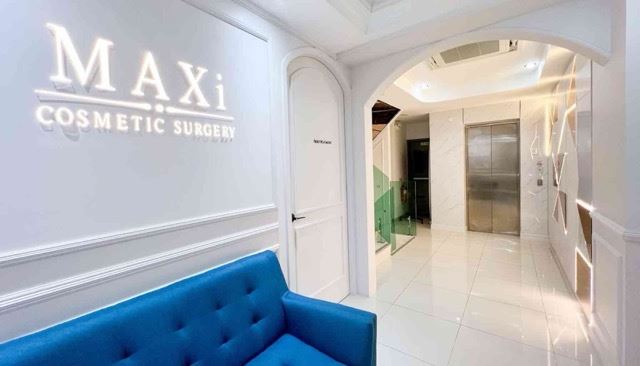
Bangkok, Thailand
Speaks EN · TH

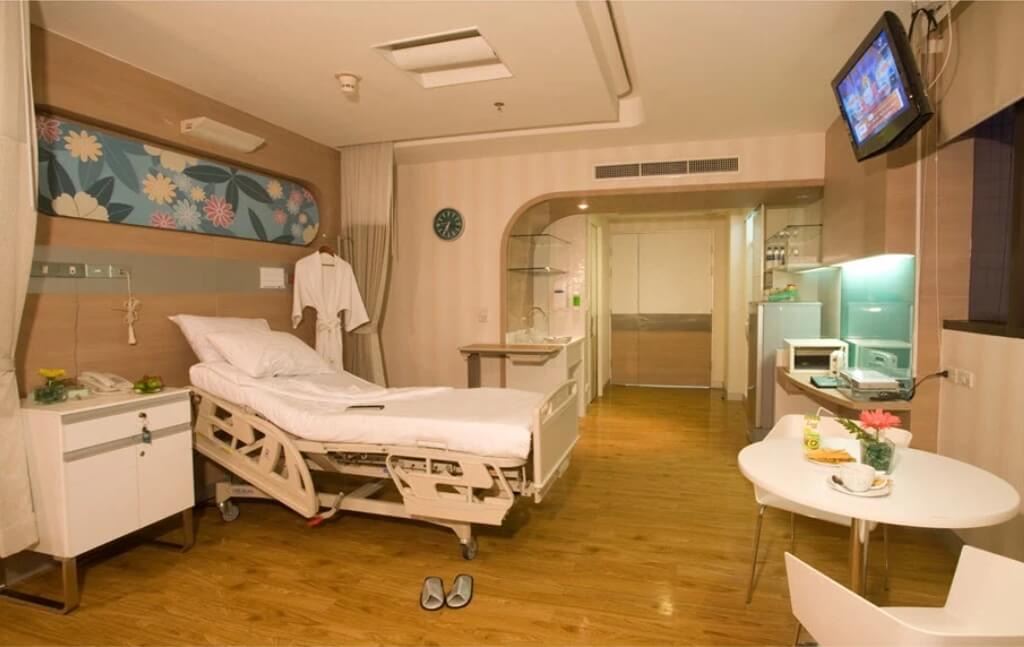
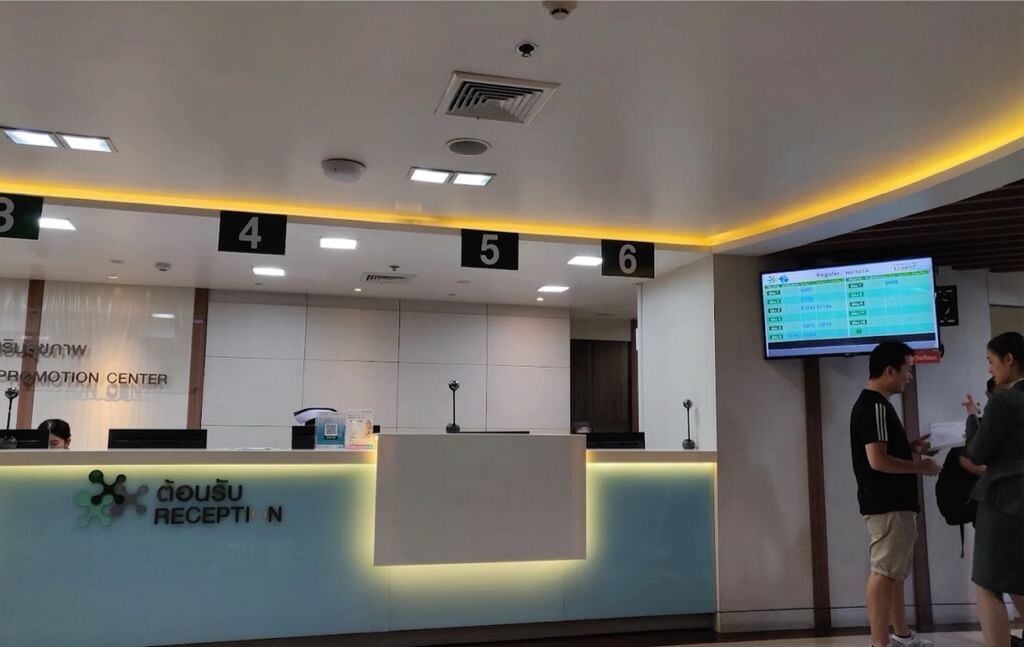
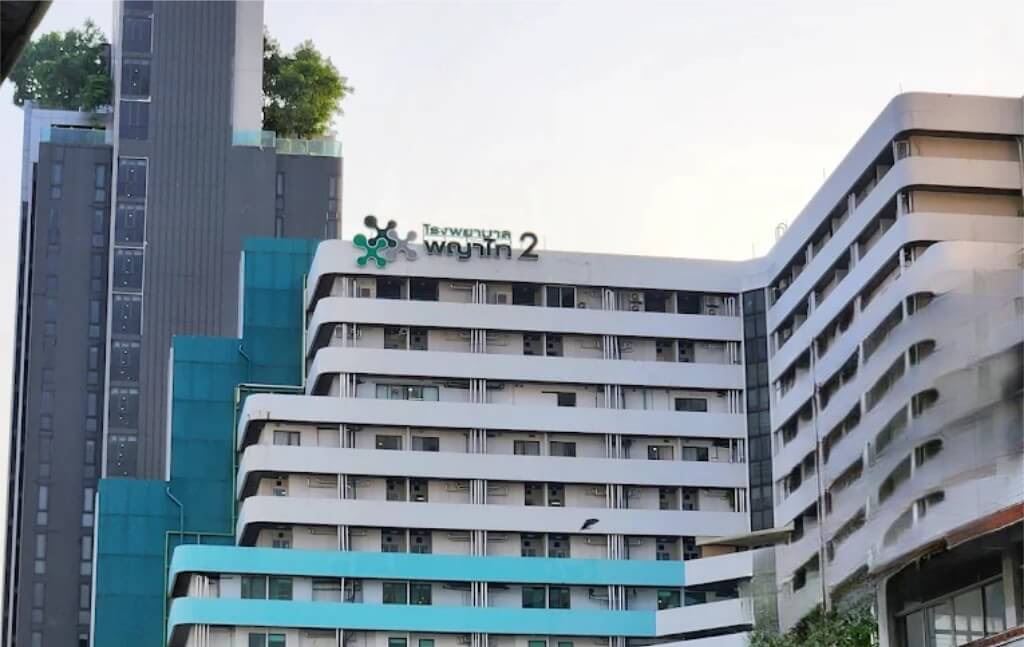
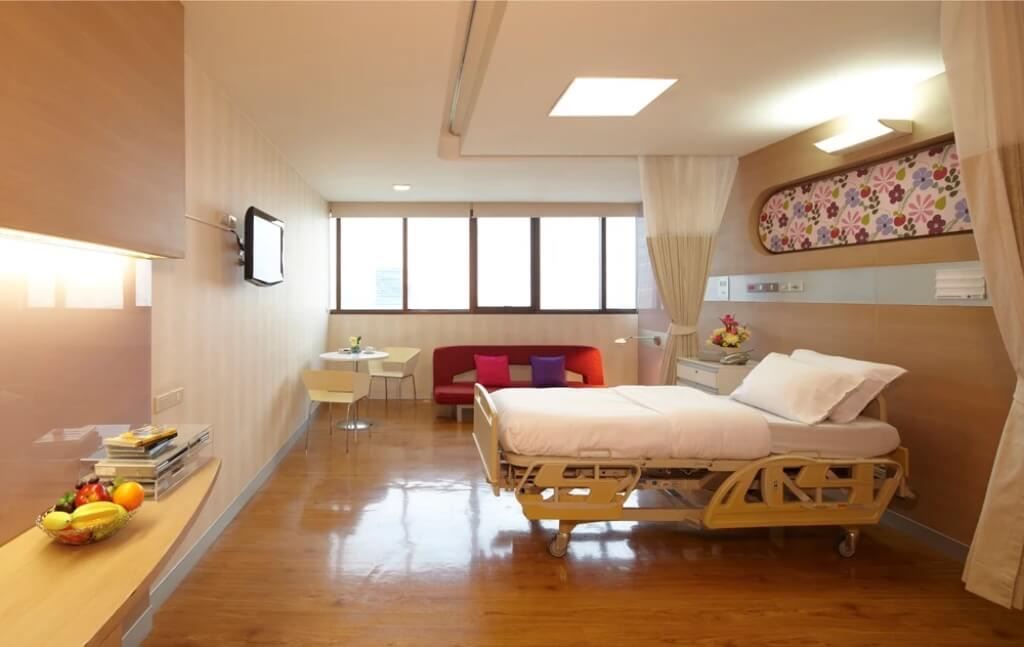

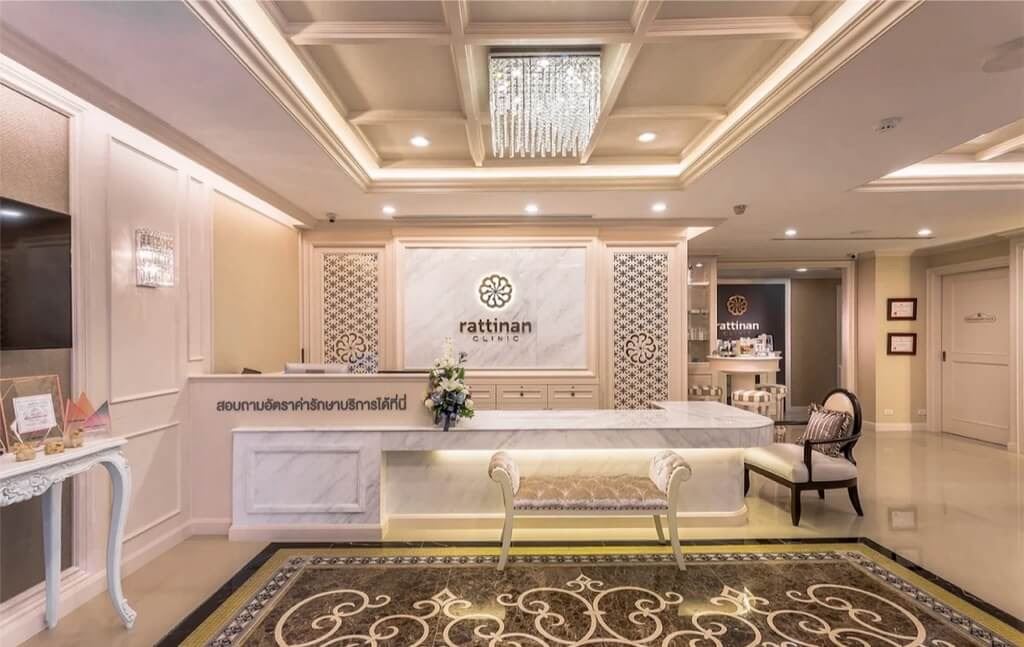
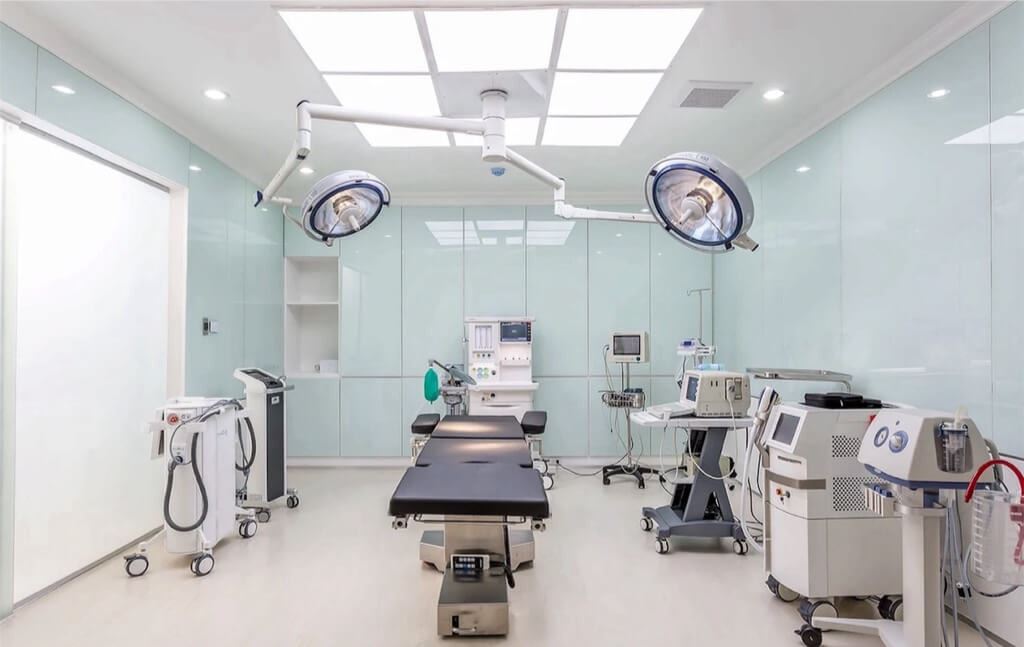
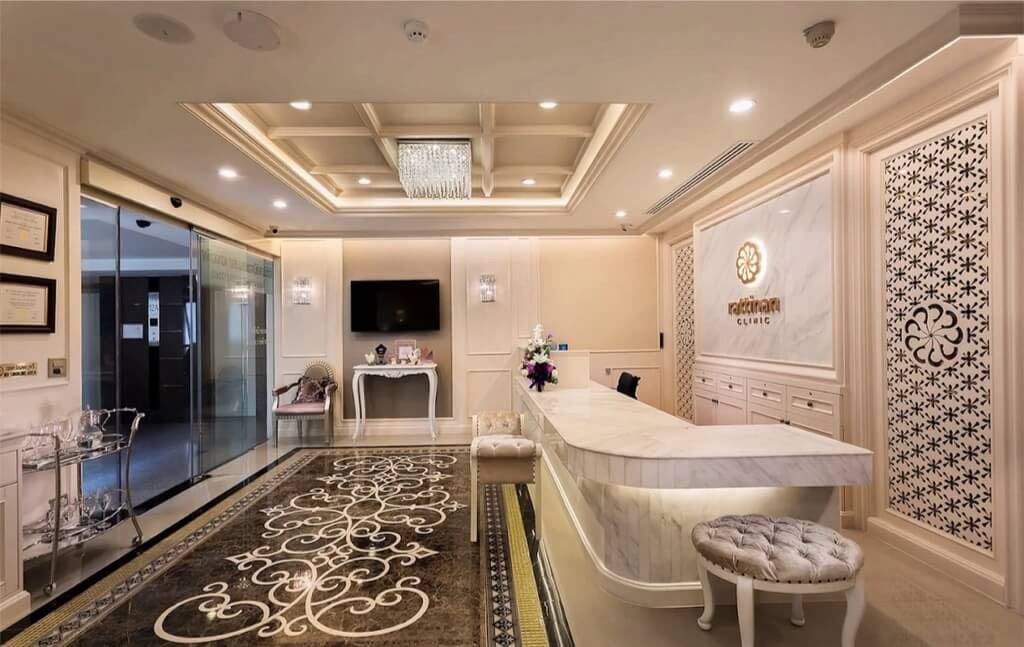
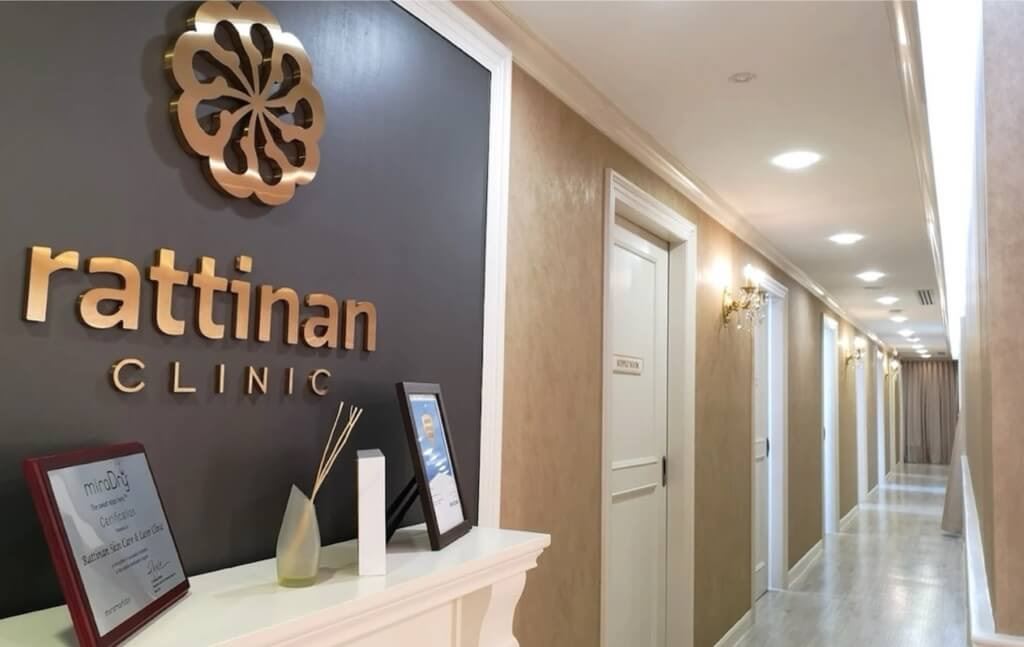
Bangkok, Thailand
Speaks EN · TH

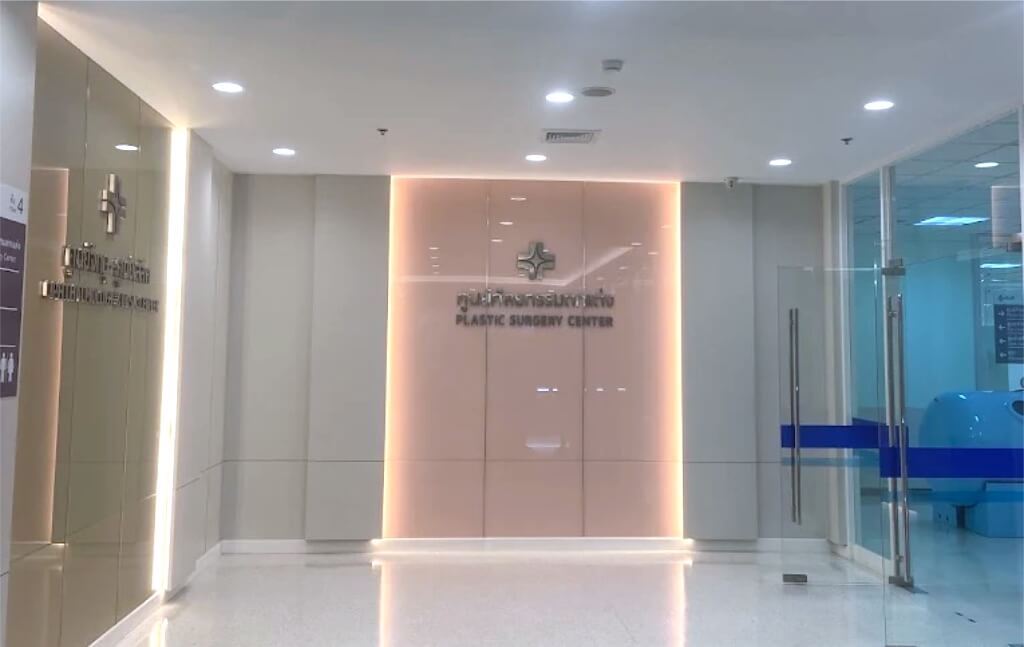
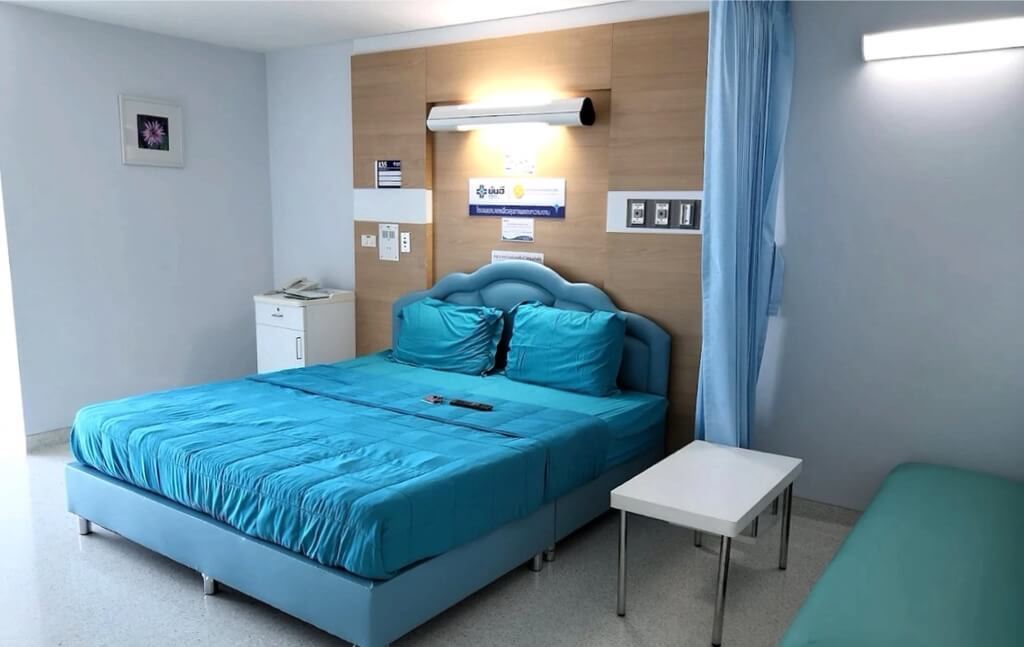
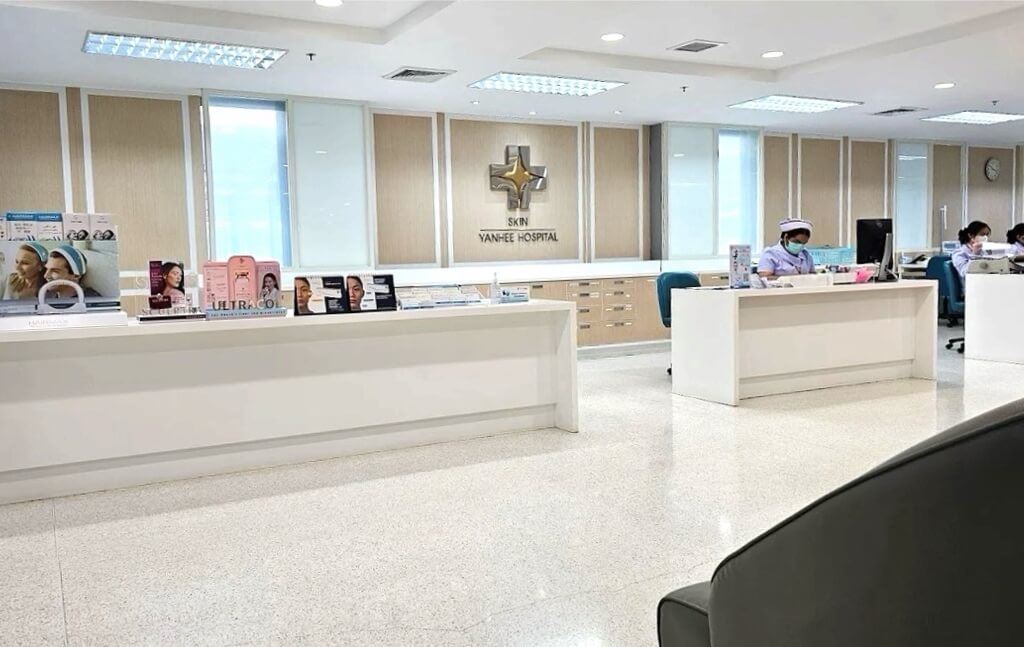
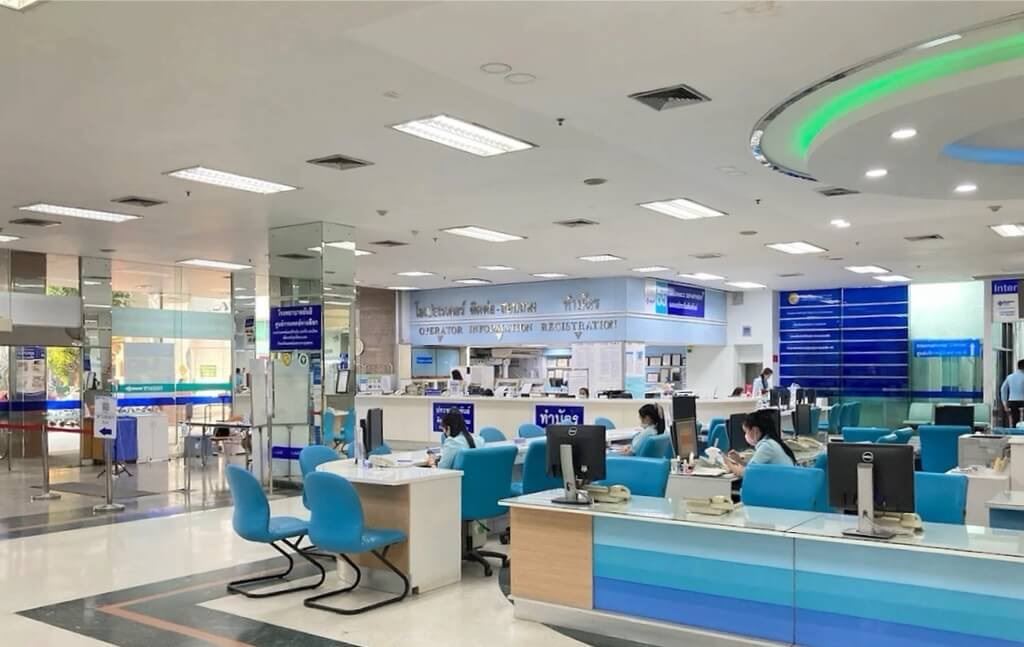
Bangkok, Thailand
Speaks EN · TH

Bangkok, Thailand · 10 clinic reviews
Speaks EN · TH


Clinics are scored and ordered by Flymedi. How ranking works.
Patients treated through Flymedi, in their own words. Nothing loads or plays until you press play.
Alex
Septoplasty
Spoken in EnglishSource: YouTube
Youssef
Rhinoplasty
Spoken in EnglishSource: YouTube
Damon
Gynecomastia
Spoken in EnglishSource: YouTube
Arturo
Liposuction
Spoken in EnglishSource: YouTube
Alexandra Arhire
Rhinoplasty
Spoken in EnglishSource: YouTube
Bryan Tomo
Gynecomastia
Spoken in EnglishSource: YouTube
Mia Hayes
Rhinoplasty
Spoken in EnglishSource: YouTube
Stephani Lvatts
Facelift
Spoken in EnglishSource: YouTube
David White
Liposuction
Spoken in EnglishSource: YouTube
Grace Beniganant
Breast lift
Spoken in EnglishSource: YouTube
Clinics are scored from patient reviews and ordered by Flymedi. The facts behind each position are listed below. How ranking works.
| Rank | Clinic | FlymediScore | Lead doctor | Experience | From | Why it is ranked here |
|---|---|---|---|---|---|---|
| 1 | Wansiri Hospital | 9.5 | Saran Wannachamras | 45 years | Price on request | 9 doctors listed. |
| 2 | Asia Cosmetic Hospital | 9.5 | Vatee Nakakes | 28 years | Price on request | 10 clinic reviews. |
| 3 | ID Clinic | 9.5 | 1 doctor | Not listed | Price on request | 10 clinic reviews. |
| 4 | Kamol Cosmetic Hospital | 9.5 | Akaradech Attainsee | 24 years | Price on request | 15 clinic reviews. |
| 5 | MAXI Cosmetic Surgery | Not listed | Kanit Wittayavanichai | 20 years | Price on request | No reviews yet; ordered by listing priority. |
| 6 | Phyathai 2 International Hospital | Not listed | 1 doctor | Not listed | Price on request | No reviews yet; ordered by listing priority. |
| 7 | Rattinan Medical Center | Not listed | Suthipong Treeratana | 31 years | Price on request | No reviews yet; ordered by listing priority. |
| 8 | Yanhee Hospital Health & Beauty | Not listed | Kittichai Sipiyarak | 29 years | Price on request | No reviews yet; ordered by listing priority. |
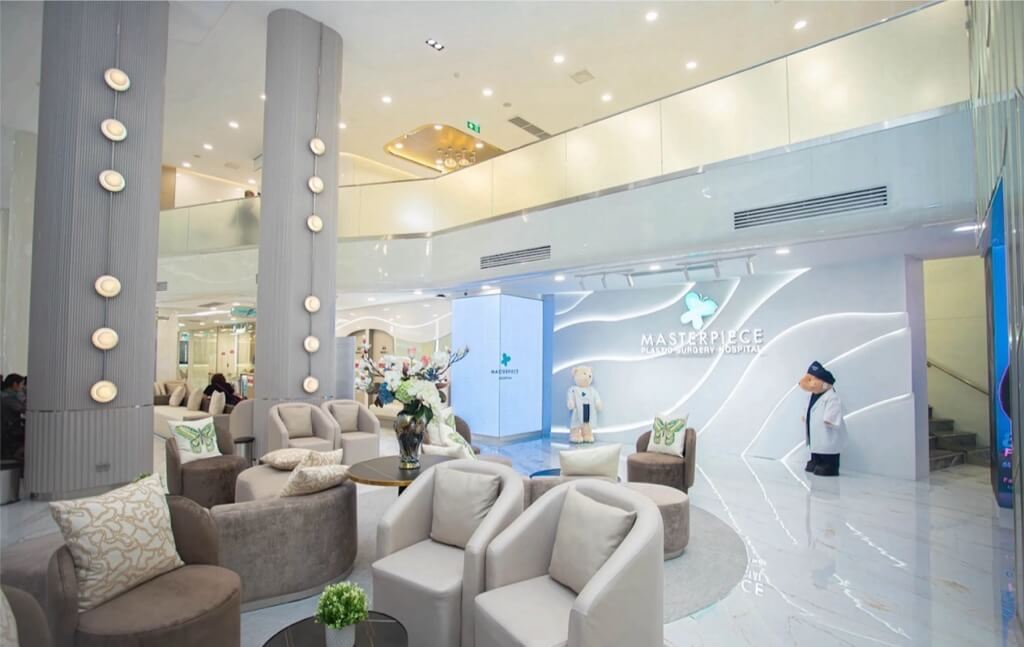
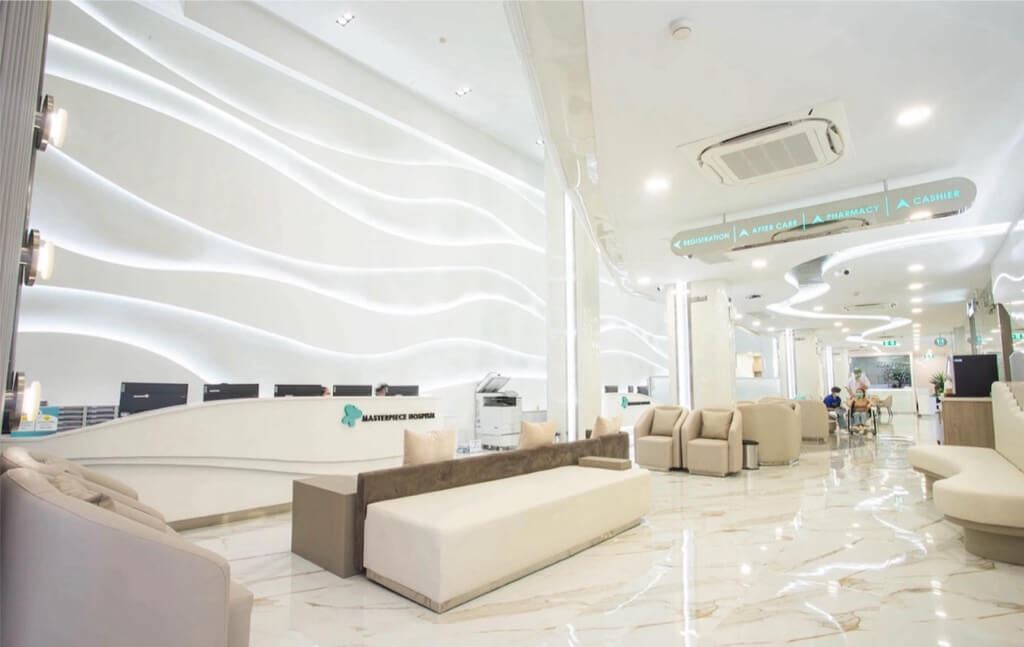
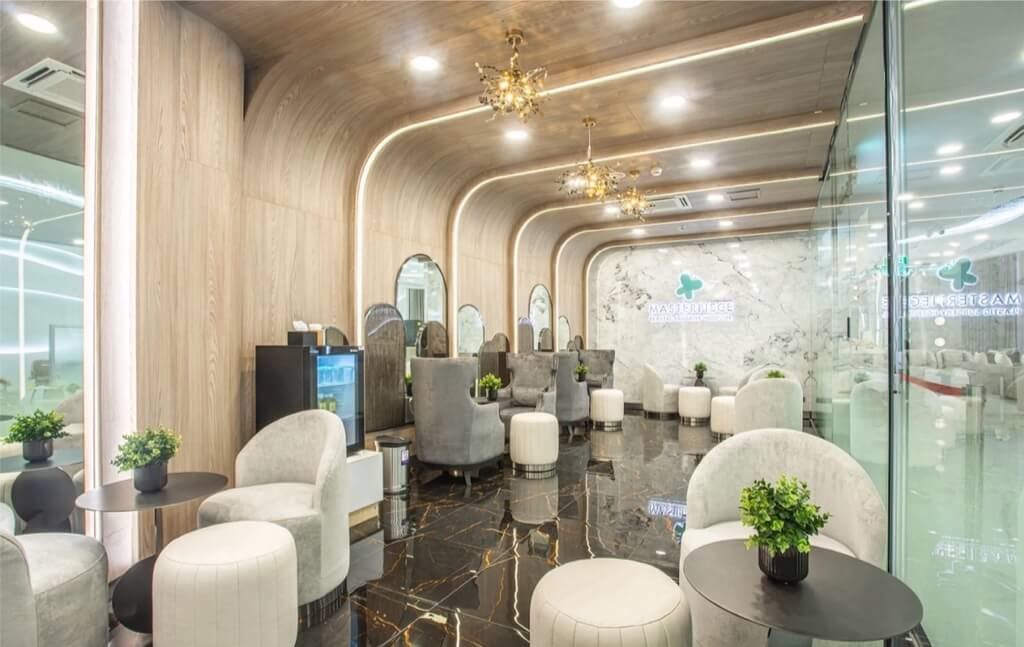
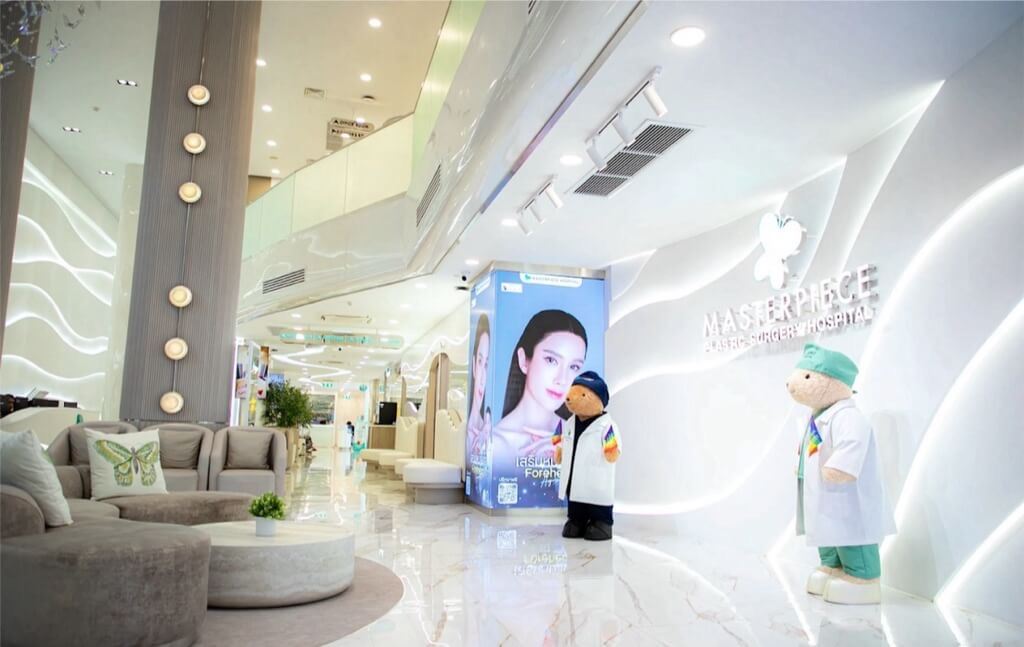
| 9 | Masterpiece Hospital | 9.5 | Chanakorn Tuenaree | 20 years | Price on request | 10 clinic reviews. |
| 10 | Intrarat Hospital | 9.5 | 1 doctor | Not listed | Price on request | 10 clinic reviews. |
The three names get mixed up in search results, in hospital price lists and in quotes, and the mix-up changes both the price and the surgeon. Deviated septum surgery on its own is a septoplasty: the crooked wall between the nostrils is straightened from inside and the outside of the nose stays as it is. Rhinoplasty changes the outside, the hump, the tip, the width, and leaves the septum alone unless cartilage is borrowed from it. Septorhinoplasty does both under one anaesthetic, and that is the operation this page and the clinics below are about.
| Operation | What it corrects | What it leaves alone | Who usually performs it in Thailand |
|---|---|---|---|
| Septoplasty | A deviated septum, blocked breathing, some snoring | The shape of the nose | ENT surgeons, in the ear, nose and throat department |
| Rhinoplasty | Hump, tip, width, crookedness you can see | The septum, apart from cartilage taken as a graft | Plastic surgeons |
| Septorhinoplasty | Both: the airway and the shape | Nothing on purpose; sinuses and turbinates are separate decisions | Plastic surgeons or facial ENT surgeons, sometimes as a two-surgeon team |
Scroll sideways for the full table
If your only complaint is breathing, a septoplasty is a shorter operation with less swelling and a lower quote, and it is what a Thai ENT department will offer you first. If you have both a blocked side and a hump or a crooked bridge, doing them together means one anaesthetic, one recovery and one trip, and it lets the surgeon use the septal cartilage as graft material for the outside of the nose. Say which one you mean when you ask for a quote: a hospital that hears "deviated septum" will price a septoplasty, and the difference will only surface at the consultation.
Bangkok's large private hospitals have ear, nose and throat departments and plastic surgery departments in the same building, with imaging, operating theatres and a ward on site. That matters more for a septorhinoplasty than for most cosmetic procedures, because the functional part needs an endoscopic look at the airway and often a CT scan of the sinuses before anyone decides what to do. Surgeons at these hospitals commonly trained or completed fellowships abroad, consultations run in English, and international patient desks handle appointments, quotes and paperwork.
For readers in Australia and New Zealand, and for expatriates already living in Thailand, the practical case is simple: a direct flight, a familiar destination and a hospital they can get back to. For readers in Europe and North America the flight is long, and that changes the recovery plan, which the sections below go into.
What to check before you commit:
Surgeons in Thailand ask the same questions as surgeons anywhere. You are likely to be offered a septorhinoplasty if:
Reasons a surgeon may say no or ask you to wait include an untreated sinus infection, heavy use of decongestant sprays, bleeding disorders or blood thinners that cannot be paused, uncontrolled diabetes, body dysmorphic disorder, and a previous nose operation whose records they cannot see. If your septum has been operated on before, say so early: a revision septorhinoplasty is planned differently and often needs cartilage from the ear or a rib.
A septorhinoplasty is done under general anaesthesia and usually takes a few hours, longer if grafts are needed. The order is generally the septum first, then the outside.
The surgeon lifts the lining off the septum, removes or repositions the bent pieces of cartilage and bone, and lays the lining back. Enough cartilage is left in place to keep the nose supported. Pieces that were removed are often reused as grafts for the outside of the nose, which is one of the practical reasons to combine the two operations. If the turbinates, the shelves of tissue on the side walls of the nose, are enlarged, they can be reduced in the same session; ask whether that is planned and priced.
Depending on what you and the surgeon agreed, the hump is lowered, the bones are narrowed and straightened with controlled cuts, the tip cartilages are reshaped and supported with sutures or grafts, and the nostrils may be narrowed. Spreader grafts, thin strips of cartilage placed along the middle of the nose, are common in functional cases because they widen the internal valve that collapses when you breathe in.
| Approach | Incision | Suits | Scar | Swelling |
|---|---|---|---|---|
| Open | A small cut across the columella, the strip of skin between the nostrils, plus cuts inside | Crooked noses, revisions, extensive tip work, most functional cases | A short line under the nose that fades over months | More, and it settles more slowly |
| Closed | All cuts inside the nostrils | Humps and modest tip changes with a straightforward septum | None visible | Less |
Scroll sideways for the full table
Most septorhinoplasties for a deviated nose are done open, because the surgeon needs to see the whole framework to straighten it. Closed is not better or worse, it is a different tool; ask which the surgeon plans for you and why.
Thai hospitals commonly place thin silicone splints on each side of the septum and a cast on the bridge. Packing, the gauze that used to be pushed into both nostrils, is used less than it once was, but some surgeons still use it for a day. You usually stay one night on the ward, and you leave with saline rinses, painkillers, an antibiotic if the surgeon prescribes one, and a date for splint removal.
Every clinic on this page quotes on request, so this section explains what the quote is made of rather than putting a number on it that would be wrong for your nose.
| What moves the price | Why |
|---|---|
| Open or closed approach | Open takes longer and involves more work on the framework |
| Grafts, especially rib cartilage | A second operating site, more theatre time, sometimes a second surgeon |
| Turbinate reduction or sinus surgery added | Extra instruments and time, sometimes an ENT surgeon joining the case |
| Revision of a previous operation | Scar tissue, missing cartilage, unpredictable time |
| Hospital or clinic | A large private hospital with a ward and an anaesthetic department costs more than a day-surgery clinic, and offers more if something goes wrong |
| Surgeon seniority | Professors and department heads charge more |
| Nights on the ward | Usually one; more if the surgeon wants to watch a bleed or a graft |
| What is bundled | Consultation, CT scan, blood tests, anaesthetist, medications, splint removal and follow-up visits may be inside or outside the figure |
Scroll sideways for the full table
Ask each hospital for a written quote in Thai baht that lists the surgeon's fee, the anaesthetist, theatre and ward, the pre-operative tests and the post-operative visits, and that says which of those are estimates. Ask what the price would be for a septoplasty alone, so you can see what the cosmetic part adds. Ask whether a revision within the first year is charged, and at what rate. Quotes usually hold for a stated period and are confirmed after the in-person consultation and scan; a deposit is often requested to book theatre time. Most hospitals take international cards, and some add a card surcharge.
A quote well below the others for the same description deserves a second look at what it leaves out: a clinic without a ward, a general anaesthetic replaced by sedation, no CT scan, no septal work at all. A septorhinoplasty that skips the septum is a rhinoplasty, and you would be flying home with the same blocked nose.
Public schemes and private health funds in Australia, New Zealand, the United Kingdom, Ireland and Canada do not, as a rule, pay for planned surgery abroad, even for the functional part they would have covered at home. Travel insurance excludes elective treatment and its complications. If you hold an international private policy, ask in writing before you book. Expatriates on Thai private insurance or in the Thai social security scheme may find the septoplasty part is claimable when it is medically indicated; the cosmetic part will not be.
Most septorhinoplasty in Thailand is done in Bangkok, where the large private hospitals keep ENT and plastic surgery under one roof and where the surgeons who do functional work practise. Phuket has private hospitals with plastic surgery departments and a steady stream of Australian patients, and for a straightforward case it is a reasonable choice. Choose the city for the surgeon and the hospital, not for the beach: you will spend the healing period indoors, out of the sun and out of the sea, and Phuket's advantages are mostly wasted on a nose in a cast.
Send photographs from the front, both sides and below, and describe the breathing problem: which side, when, and what makes it worse. Many hospitals arrange a video consultation with the surgeon. If you already have a CT scan or an endoscopy report, send it. Stop smoking and vaping well ahead of the date, stop supplements and medicines that thin the blood after checking with your own doctor, and treat any sinus infection first. Book accommodation near the hospital for the whole stay and a return flight that you can move.
Plan to arrive a couple of days before surgery. The surgeon examines the nose inside and out, usually with a small endoscope, and orders a CT scan of the nose and sinuses if you have not had one. Blood tests, and for older patients an ECG and a chest X-ray, are done the same day. This is where the plan and the quote are confirmed, so bring your questions; the list further down this page is a start.
You are admitted in the morning, operated on under general anaesthesia and watched on the ward overnight. Expect a stuffed, aching nose, some blood-stained discharge, bruising under the eyes and a headache. The team shows you how to rinse, how to sleep propped up and what not to do: no blowing the nose, no bending, no lifting.
You rest near the hospital. Swelling and bruising peak in the first days and then start to fade. At a follow-up visit the surgeon removes the septal splints, the cast and any stitches under the nose, and checks the airway. Breathing often feels worse than before at this stage because of internal swelling; that is expected. Once the splints are out and the surgeon is satisfied, you are cleared to travel.
Do not book the flight before splint removal. Cabin air is dry and pressure changes make a healing nose feel blocked and can provoke a nosebleed, so: saline spray through the flight, no nose blowing, sneeze with your mouth open, a window seat away from the aisle traffic, and ask the surgeon whether a decongestant spray for the descent is appropriate in your case. Keep the surgeon's written summary and your medication list in your hand luggage, and arrange to see your own ENT surgeon or doctor within the first weeks of getting home.
| Stage | Where you are | What is happening |
|---|---|---|
| Consultation and scan | Bangkok or Phuket | Exam, endoscopy, CT, tests, quote confirmed |
| Operation | Hospital | General anaesthesia, one night on the ward |
| Early recovery | Near the hospital | Swelling, bruising, congestion; rinses and rest |
| Splint removal | Hospital | Splints and cast off, airway checked, cleared to fly |
| Flight home | In the air | Dry air and pressure changes; spray, do not blow |
| First months | Home | Swelling fades, breathing improves, sport resumes in stages |
| Final result | Home | Tip swelling is last to go; the shape settles over about a year |
Scroll sideways for the full table
Septorhinoplasty is a common operation with a well-described set of complications, and a candid surgeon will go through them with you. They include bleeding in the first days or after splint removal, infection, a hole in the septum (a perforation), a persistently blocked nose from swelling, scar tissue or a septum that shifts back, asymmetry or an irregularity you can see or feel, numbness of the tip that usually fades, a change in the sense of smell, and the general risks of a general anaesthetic. A proportion of patients want or need a second, smaller operation to refine the result. Being far from the surgeon does not raise the chance of these problems, but it does make dealing with them harder, which is why the sections on the flight home and on finding an ENT surgeon at home matter.
The airway is usually clearly better once the internal swelling has gone, which takes weeks to a few months. The shape keeps changing for about a year as the tip swelling resolves, so judge the result then, not at splint removal. Straightening a crooked nose is one of the harder things in rhinoplasty and a slight residual deviation is not unusual; a revision, if wanted, is normally left until the nose has fully settled.
Ask before you book what the hospital's revision policy is: whether a minor revision within a stated period is free of surgeon's fees, what the hospital and anaesthetic charges would be, and whether it has to be done in Thailand. Keep your operation notes, photographs and the surgeon's contact details; a surgeon at home who takes on a revision will want them.
A good share of the people reading this page are in Thailand already: expatriates, teachers, retirees and long-stay visitors with a blocked nose. Your options are wider than a tourist's. The private hospitals on this page will see you as a walk-in patient in the ENT clinic, and a plain septoplasty for breathing may be claimable on Thai private insurance or, for those in the social security scheme, at your registered hospital. University hospitals in Bangkok run ENT departments at lower prices with longer waits and less English. Because you can stay for the follow-ups and for a revision if one is needed, you also have the option of a septoplasty first and a rhinoplasty later, which some surgeons prefer for a heavily deviated nose.
Turkey is the destination most of our readers compare Thailand with, and it is where the largest number of clinics on this site operate. The honest answer depends on where you live.
| Point | Thailand | Turkey |
|---|---|---|
| Flight from Australia and New Zealand | Direct and manageable | Long, with a connection |
| Flight from the United Kingdom and Europe | Long haul | Short haul |
| Where the surgery happens | Large private hospitals, mostly Bangkok | Private hospitals and dedicated clinics, mostly Istanbul |
| How prices are given | Itemised quote after consultation, in baht | Usually an all-inclusive package in euros or pounds |
| Cosmetic rhinoplasty volume | High, largely augmentation for Asian noses | Very high, largely reduction and straightening |
| Recovery climate | Hot and humid all year | Varies by season |
| Follow-up after you leave | Video calls; a return trip is long from Europe | Video calls; a return trip is short from Europe |
Scroll sideways for the full table
See our page on septorhinoplasty in Turkey for the same questions answered for Istanbul.
| Question | Short answer |
|---|---|
| Anaesthesia | General |
| Stay in hospital | Usually one night |
| Stay in Thailand | Until splint removal and a check by the surgeon |
| Visible scar | A short line under the nose with the open approach; none with closed |
| Return to desk work | After the splints are out, once you are home |
| Final shape | About a year, tip last |
| Breathing improvement | Weeks to a few months, once internal swelling has gone |
| Prices on this page | On request; itemised quote after consultation |
Scroll sideways for the full table
Answers from the medical content team, reviewed by the medical reviewer named on this page.
Written by Abdulaziz Ali, Leading Medical Writer & Strategist at Flymedi. Medically reviewed by Op. Dr. Arda Akgün. Content updated 5 September 2026. Next scheduled review 5 September 2027.
This page is general information, not personal medical advice. It does not diagnose you and it does not replace an individual assessment by a doctor who has examined you.
Found something wrong or out of date on this page? Tell us and we will check it. Editorial standards and reviewer list: authors and reviewers.
Tell us about your case and a coordinator matches you with clinics that fit it.


