Breast reduction in Thailand

A breast reduction in Thailand removes tissue, fat and skin from heavy breasts and lifts what is left, sold as a package in Thai baht by hospitals in Bangkok, Phuket and Pattaya. This page explains what decides the price, what a package covers, how the techniques differ, how to check a surgeon who does large reductions, what the recovery looks like week by week, and why a funded reduction at home is the first thing to rule out before paying abroad.

Read moreRead less
Medically reviewed by Op. Dr. Arda Akgün. Written by Abdulaziz Ali.
Updated 13 September 2026 · Editorial standards

Breast reduction in Thailand at a glance

Figures are ranges, not promises. Suitability needs an individual assessment by a doctor.

Breast reduction clinics in Thailand

Each clinic sets its own price, so check what the price includes before comparing two of them.

Not sure which of these clinics fits your case?

Send your details and a coordinator will tell you which clinics are appropriate for your case, and which are not.

Talk to a coordinator

Clinics are scored and ordered by Flymedi. How ranking works.

Patient stories

Patients treated through Flymedi, in their own words. Nothing loads or plays until you press play.

Victoria Balfour

Breast reduction

Spoken in EnglishSource: YouTube

Ashleigh Brown

Breast reduction

Spoken in EnglishSource: YouTube

Tara Smith

Breast reduction

Spoken in EnglishSource: YouTube

Alex

Septoplasty

Spoken in EnglishSource: YouTube

Youssef

Rhinoplasty

Spoken in EnglishSource: YouTube

Damon

Gynecomastia

Spoken in EnglishSource: YouTube

Arturo

Liposuction

Spoken in EnglishSource: YouTube

Alexandra Arhire

Rhinoplasty

Spoken in EnglishSource: YouTube

Bryan Tomo

Gynecomastia

Spoken in EnglishSource: YouTube

Mia Hayes

Rhinoplasty

Spoken in EnglishSource: YouTube

Why are these clinics ranked this way?

Clinics are scored from patient reviews and ordered by Flymedi. The facts behind each position are listed below. How ranking works.

RankClinicFlymediScoreLead doctorExperienceFromWhy it is ranked here
1Wansiri Hospital9.5Saran Wannachamras45 years€5,000Treatment only9 doctors listed.
2Asia Cosmetic Hospital9.5Vatee Nakakes28 years€3,650Treatment onlyLowest listed price on this page.
3ID Clinic9.51 doctorNot listed€4,500Treatment only10 clinic reviews.
4Kamol Cosmetic Hospital9.5Akaradech Attainsee24 years€4,640Treatment only15 clinic reviews.
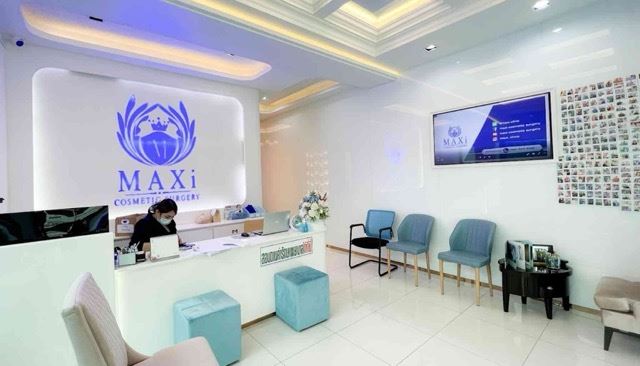
5MAXI Cosmetic SurgeryNot listedKanit Wittayavanichai20 years€5,000Treatment onlyNo reviews yet; ordered by listing priority.
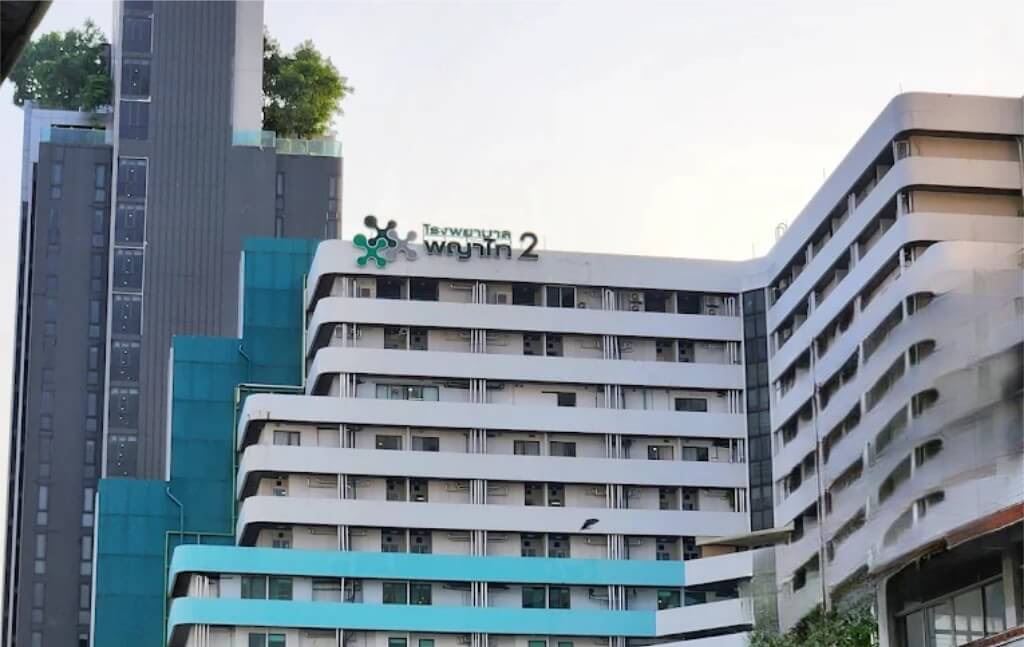
6Phyathai 2 International HospitalNot listed1 doctorNot listed€4,500Treatment onlyNo reviews yet; ordered by listing priority.
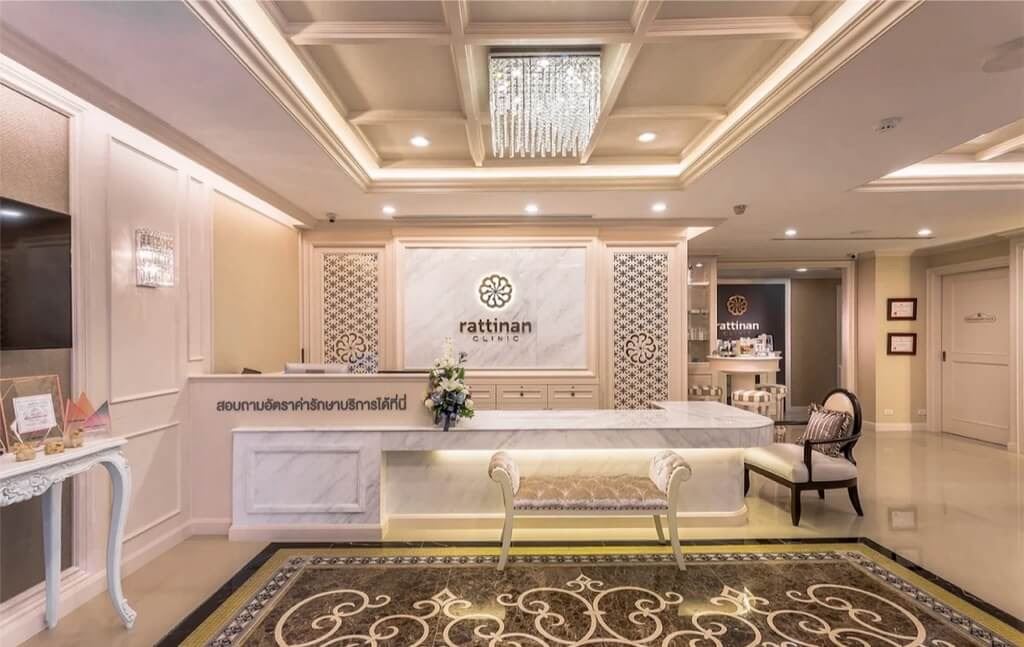
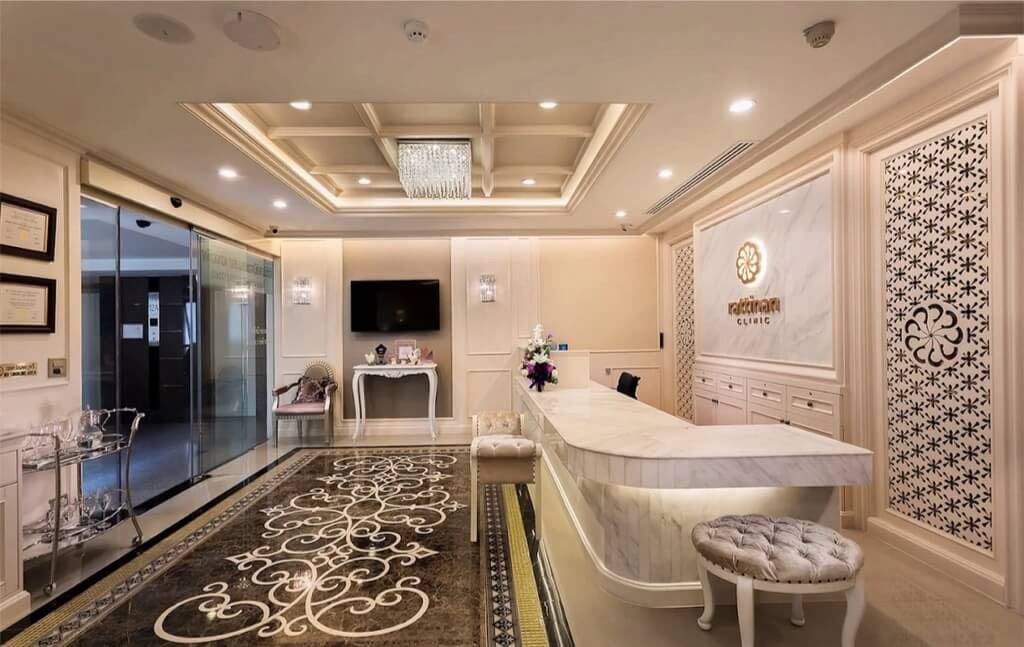
7Rattinan Medical CenterNot listedSuthipong Treeratana31 years€8,000Treatment onlyNo reviews yet; ordered by listing priority.
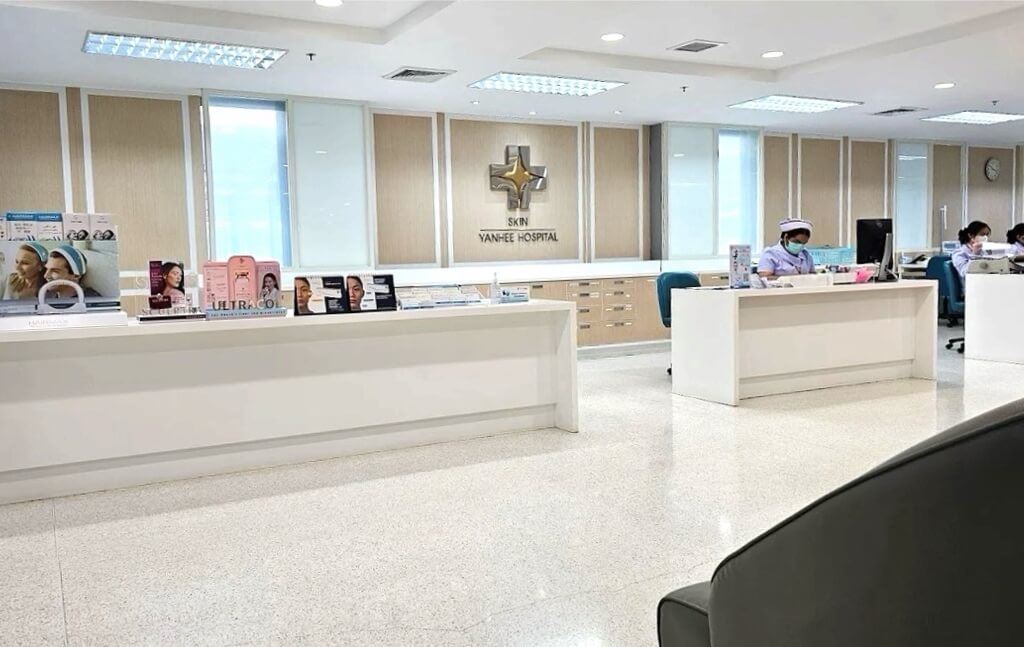
8Yanhee Hospital Health & BeautyNot listedKittichai Sipiyarak29 years€4,000Treatment onlyNo reviews yet; ordered by listing priority.
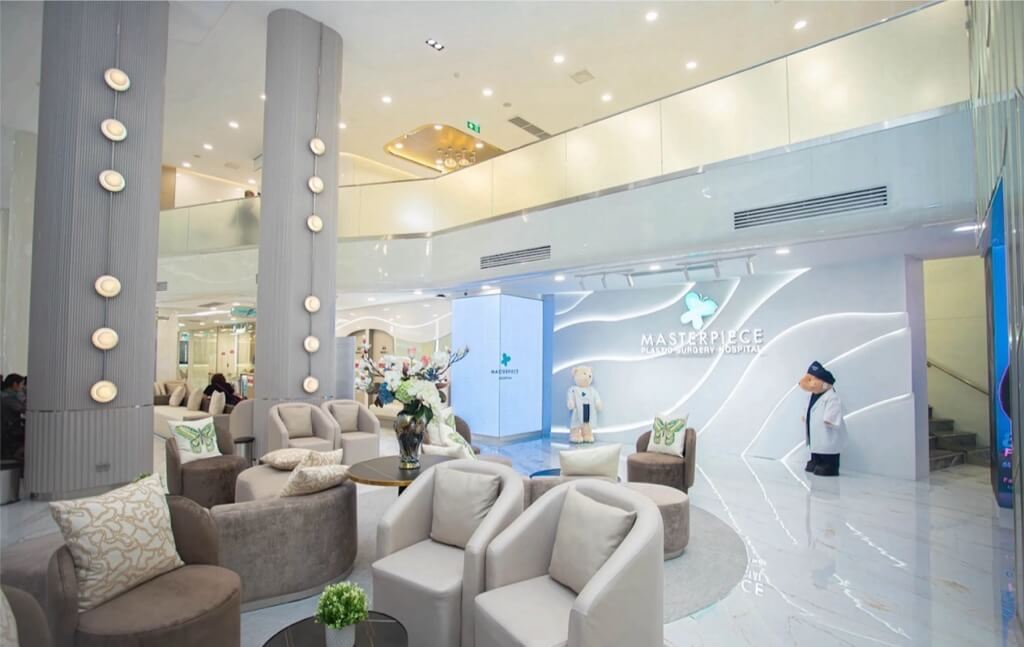
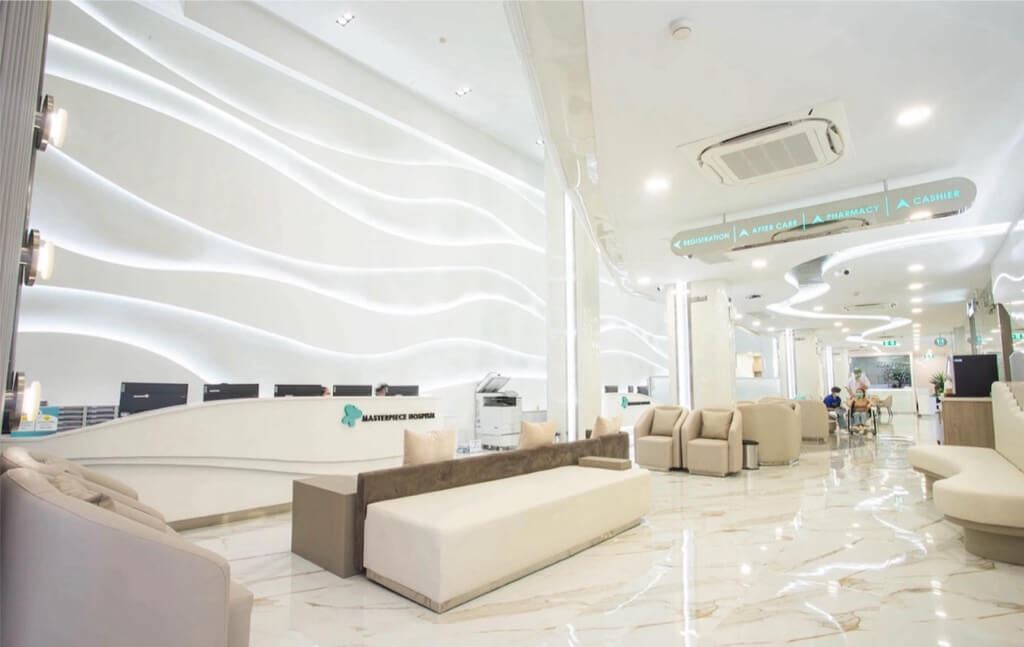
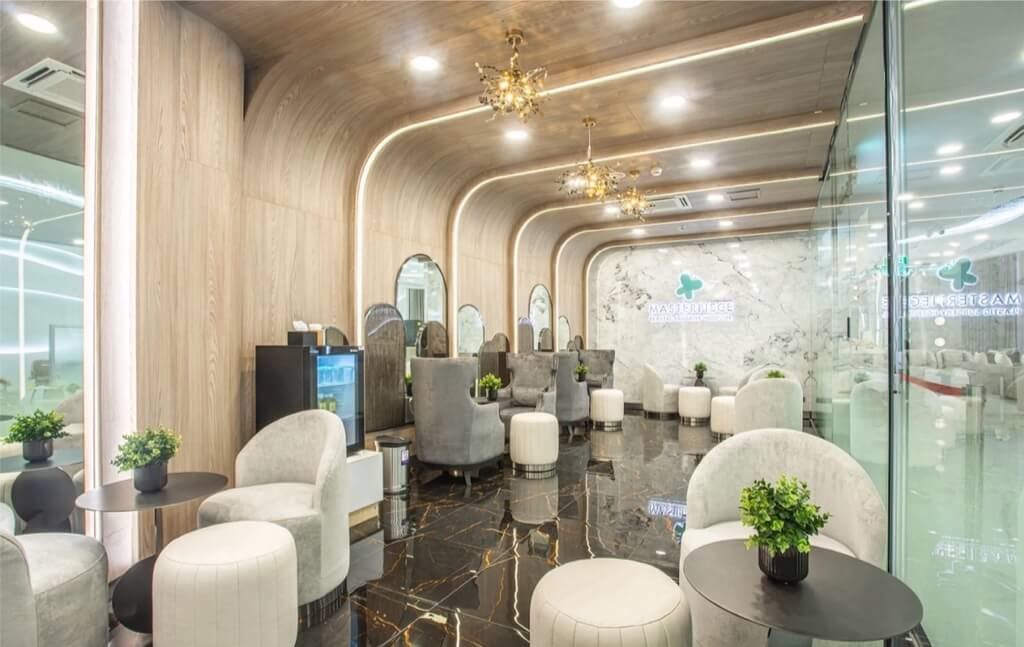
9Masterpiece Hospital9.5Chanakorn Tuenaree20 yearsPrice on request10 clinic reviews.
10Intrarat Hospital9.51 doctorNot listedPrice on request10 clinic reviews.
1Wansiri Hospital · 9.5
From €5,000 Treatment only 9 doctors listed.
2Asia Cosmetic Hospital · 9.5
From €3,650 Treatment only Lowest listed price on this page.
3ID Clinic · 9.5
From €4,500 Treatment only 10 clinic reviews.
4Kamol Cosmetic Hospital · 9.5
From €4,640 Treatment only 15 clinic reviews.
5MAXI Cosmetic Surgery
From €5,000 Treatment only No reviews yet; ordered by listing priority.
6Phyathai 2 International Hospital
From €4,500 Treatment only No reviews yet; ordered by listing priority.
7Rattinan Medical Center
From €8,000 Treatment only No reviews yet; ordered by listing priority.
8Yanhee Hospital Health & Beauty
From €4,000 Treatment only No reviews yet; ordered by listing priority.
9Masterpiece Hospital · 9.5
10 clinic reviews.
10Intrarat Hospital · 9.5
10 clinic reviews.

Read our full clinic ranking policy

Breast reduction in Thailand

A breast reduction removes breast tissue, fat and skin, moves the nipple up and reshapes what is left, so that heavy breasts become lighter and higher and the neck, shoulder and back pain, the bra-strap grooves and the rashes under the breasts that come with them ease. In Thailand it is sold as a package in Thai baht by the large private hospitals of Bangkok and the plastic surgery hospitals of Phuket and Pattaya, covering the surgeon, the anaesthetist, the theatre, a night or two in hospital and the check-ups until you are cleared to fly.

Two things make a reduction different from the other breast operations people fly for. It is often a medical operation rather than a cosmetic one, which means a funded route may exist at home that you give up by paying in Thailand. And it is a large operation on breasts Thai surgeons see less often than the small ones they augment every day, so the surgeon's experience with big reductions is the first thing to check. This page explains what decides the price, what a package covers, how the techniques differ, how to check a surgeon, what the recovery looks like, and what funding and aftercare in Australia, New Zealand or the United Kingdom mean for the decision.

  • Compare what a quote covers

    Every clinic on this page shows its current price with a note of what it includes. A reduction alone and a reduction with liposuction, a longer stay or histology of the removed tissue are not the same quote.
  • Ask for large reductions on breasts like yours

    Thai surgeons see many small breasts and few heavy ones. Ask how many reductions the surgeon does a year, how large, and to see healed results at a year on patients of your size.
  • Board, licence, accreditation

    Thai Board of Plastic and Reconstructive Surgery for the surgeon, a Ministry of Public Health licence for the facility, and hospital accreditation you can verify.
  • A week or more before you fly

    Stay until the surgeon has removed any drains, checked the scars where they meet under the breast and cleared you to fly, usually about a week after surgery and longer for very large reductions.

Why people fly to Thailand for a breast reduction, and what to weigh

The large private hospitals in Bangkok and the plastic surgery hospitals of Phuket and Pattaya have plastic surgeons who do breast surgery every week, theatres and wards set up for hours of general anaesthesia, and international departments used to patients who arrive with photographs and a return flight booked. The whole package is usually priced before you travel, there is no waiting list, and a reduction can be combined with a tummy tuck or an arm lift after weight loss in the same admission.

The other side of the ledger is specific to a reduction. If your breasts cause pain, grooves and rashes, a funded operation may exist at home, with a waiting list but with the follow-up in the same hospital; paying in Thailand gives that up. The operation itself is long, removes a lot of tissue and depends on judgement about how much to take and how to keep the nipple alive, and you are choosing the surgeon from photographs and a video call. And the commonest complication, a wound that opens where the scars meet under the breast, tends to appear after you are home. Thailand is a reasonable choice for a healthy patient at a stable weight who can stay for the check-ups and has a doctor lined up at home; it is a poor one for anyone who cannot.

The cost of breast reduction in Thailand

The price is a package in Thai baht, and it moves with what is actually done. Each clinic on this page shows its current price with a note of what it covers, and that is the figure to compare, because a quote for a moderate reduction with one night and a quote for a very large reduction with two nights, drains and liposuction of the sides are not quotes for the same operation.

  • How much is removed. A large reduction takes longer in theatre, sometimes needs the nipple moved as a free graft, and usually means an extra night; the fee follows the time.
  • The technique. A vertical-scar reduction is shorter than an anchor reduction, and a liposuction-only reduction, for fatty breasts with good skin, is the shortest of all.
  • What is combined with it. Liposuction of the sides of the chest, a tummy tuck or an arm lift each add theatre time, a fee and days to the stay.
  • Anaesthetic and nights. General anaesthesia with one or two nights in hospital is the norm for a reduction; a package that promises same-day discharge for a large reduction should be questioned, not welcomed.
  • Hospital or clinic, and which city. A large Bangkok hospital with an international department charges more than a clinic; Phuket often sits between the two.
  • Primary or revision. Correcting a previous reduction, or reducing breasts that have regrown after weight gain, costs more than a first operation.
  • The surgeon. Surgeons who do large reductions regularly charge more, and for this operation that is money well spent.

What is included in the cost

A Thai package normally covers everything inside the hospital from the pre-operative tests to the last check-up before you fly. What it rarely covers is anything after you land at home, which for a reduction means months of scar care and the possibility of a wound that needs dressing for weeks. Get the contents in writing before paying a deposit, and ask specifically whether the removed tissue is examined by a pathologist and how you receive the report.

  • Usually included. Consultation, blood tests, an ECG and a chest X-ray where the anaesthetist wants them, a mammogram or ultrasound before surgery for patients over a certain age, the surgeon and anaesthetist fees, the theatre, one or two nights in hospital, medication, the surgical bra, dressing changes and the follow-up visits until you are cleared to fly.
  • Sometimes included. Histology of the removed tissue, hotel nights near the hospital, transfers, a nurse visit at the hotel and silicone sheets for the scars.
  • Rarely included. Flights, travel insurance, a longer stay if a wound is slow, liposuction that was discussed but not quoted, treatment of complications after you are home, and revision surgery with or without the flight back.
  • What the deposit buys. A date and a surgeon. Ask whether it is refunded if the examination in Thailand changes the plan, the price or the decision to operate at all.

Instalment options for the whole trip are described on the payment plans page. The clinic listing on this page shows each clinic's current price with a note of what it covers, and that note is the thing to compare, not the headline figure.

Price comparison: a funded or private reduction at home, or Thailand

For a reduction the honest comparison has three columns, not two. The first is the funded route: in Australia a reduction for symptoms can attract a Medicare rebate and private hospital cover when the criteria are met; the New Zealand public system and the NHS fund some reductions, with criteria that vary by region and waiting lists that can be long. The second is a private reduction at home: the surgeon's fee plus the anaesthetist and the hospital, with follow-up in the same rooms for as long as you need it. The third is Thailand: one package in baht that covers the hospital side and ends when you fly.

To compare the third with the second, add to the Thai figure the flights, a week or more of hotel, a companion's costs, travel insurance that will not cover the surgery itself and a reserve for scar care and aftercare at home, then ask what a revision would cost. To compare it with the first, ask whether you qualify before you book anything: a funded operation with a wait may be worth more than a paid one without.

What a breast reduction does, and how the techniques differ

A reduction takes tissue, fat and skin from the lower and outer parts of the breast, keeps the nipple on a stalk of tissue called a pedicle that carries its blood supply and nerves, moves the nipple up and closes the breast into a smaller, higher shape. Every reduction is also a lift. The result is judged by weight relieved, shape and symmetry, and by scars that are long by design. The technique is chosen by how much has to come out and how far the nipple has to move.

  • Vertical-scar reduction. A scar around the areola and straight down to the fold. For small to moderate reductions; it shapes the breast well and avoids the scar along the fold.
  • Anchor reduction. Around the areola, down to the fold and along it, the inverted T. For large and very large reductions and for breasts with a lot of loose skin. The longest scar and the technique most Western patients end up with.
  • The pedicle. Inferior, superomedial or central, each keeping the nipple alive on a different stalk of tissue. The choice affects sensation, breastfeeding and shape, and the surgeon should be able to say which one and why.
  • Free nipple graft. For the very largest reductions, the nipple is removed and replaced as a graft. It keeps the operation safe but usually costs nipple sensation and the ability to breastfeed.
  • Liposuction-only reduction. For fatty breasts with good skin and a nipple in the right place. Small scars, a modest reduction and no lift.

The central pedicle breast reduction page describes one of the pedicle techniques in detail. A breast that has dropped but is not heavy belongs on the breast lift in Thailand page, and a man with enlarged breast tissue on the gynecomastia surgery in Thailand page, which is a different operation with different scars.

How to check a surgeon and a hospital in Thailand

Thailand licenses doctors and facilities separately. The surgeon should hold a licence from the Medical Council of Thailand and the Thai Board of Plastic and Reconstructive Surgery, the specialist qualification issued through the Royal College of Surgeons of Thailand; membership of the Society of Plastic and Reconstructive Surgeons of Thailand or the Society of Aesthetic Plastic Surgeons of Thailand is a further sign of a surgeon trained in the specialty. It is the counterpart of checking a specialist plastic surgeon's registration with AHPRA or the GMC.

The facility should hold a Ministry of Public Health licence for surgery under general anaesthesia. Private hospitals in Bangkok, Phuket and Pattaya commonly carry Hospital Accreditation from Thailand's Healthcare Accreditation Institute, and several also hold Joint Commission International accreditation. A reduction is hours of surgery with real blood loss; it belongs in a hospital with a physician anaesthetist, a recovery unit, a ward and a blood bank, not in a clinic licensed for local anaesthetic procedures.

  • Ask for the surgeon's full name and licence number and look them up in the Medical Council of Thailand register before paying anything.
  • Ask how many reductions the surgeon does in a year and how large, and how many on Western patients; a surgeon whose portfolio is augmentations is not the one for a large reduction.
  • Ask for healed photographs at a year, from the front and both sides, of breasts that started like yours, and look at the scars, the areolas and the symmetry.
  • Ask which technique and which pedicle are proposed and why, and whether a free nipple graft is likely for your size.
  • Ask about weight and health limits. Reputable hospitals decline or defer patients above a certain body mass index, with uncontrolled diabetes or who smoke; a hospital that declines nothing is telling you something.
  • Ask what happens if a wound opens or a revision is needed, who treats it, what it costs and whether the surgeon's fee is waived, and whether the removed tissue goes to a pathologist.

Bangkok, Phuket or Pattaya

Bangkok has the large private hospitals with international departments and most of the surgeons with overseas fellowships, which counts for large reductions and combined operations. Phuket has a plastic surgery hospital of its own and general hospitals long used to Australian and New Zealand patients, with direct flights from several Australian cities. Pattaya has a large hospital used to international breast patients, and Chiang Mai a handful of serious surgeons.

Wherever you go, the recovery is not a beach holiday. Sun on a fresh scar darkens it for good, and reduction scars are long; heat prolongs swelling; salt water and pools are off limits until the surgeon says otherwise; and the arms stay below the shoulders for the first days. Plan the sightseeing for the days before surgery.

How the breast reduction procedure works, step by step

  1. Online consultation with photographs

    Front and both sides, standing, in a plain bra and without, with your height, weight, bra size, symptoms, pregnancies, weight history and whether you plan more children. The surgeon should reply with a technique, a pedicle, an estimate of how much can come out and a reason, not only a price.
  2. Arrival and examination

    A day or two before surgery: examination and measurements, blood tests including a blood count, an ECG, the anaesthetic assessment and, for patients over a certain age, a mammogram or ultrasound if you have not had one. This is where the plan and the price are confirmed and where the surgeon can still say no.
  3. The operation

    Under general anaesthesia, a few hours depending on the size of the reduction. The tissue removed is weighed, and in good hospitals sent to a pathologist. You wake in a surgical bra, often with drains, and stay one or two nights on the ward.
  4. The first days

    Swelling, bruising and a tight, sore chest that settles over the first week; the relief in the neck and shoulders is often noticed at once. Sleep propped up, walk often, do not lift, keep the dressings dry and the arms below the shoulders.
  5. Check-up and clearance to fly

    Around a week after surgery the surgeon removes the drains, checks the incisions, above all where the scars meet under the breast, and clears you to fly. A slow wound means staying longer, which is why the return flight should be changeable.
  6. Home and the long tail

    The breasts sit high and boxy at first and settle over months; the scars are red for months and fade over a year with silicone sheets and no sun. Send photographs at the agreed points and see a doctor at home the same day for a wound that opens, fever, spreading redness or a nipple that changes colour.

Breast reduction recovery timeline

  • The first week. Hospital for one or two nights, then a hotel near the surgeon. Drains out within days, dressings changed, the surgical bra day and night, no lifting and no driving.
  • The second and third weeks. Usually at home. Desk work is possible; anything physical, lifting children or shopping, waits. The scars are red and raised and the scar junction under the breast is the place to watch.
  • The first two months. Swelling settles, the shape softens and drops into place, sensation in the nipples begins to return where it is going to. Exercise restarts gradually with the surgeon's agreement, sport bras only.
  • The first year. Scars fade from red to pale with silicone sheets and sun protection. The final shape, size and symmetry are judged at a year; a revision, if one is needed, is planned after that.

Flying home and aftercare in Australia, New Zealand or the UK

The flight itself is rarely the problem once you are cleared; the problems are the ones that declare themselves in the weeks after. The scar junction under the breast can open and need dressings for weeks, a seroma or haematoma can appear, an infection can start after you land, and the scars need a year of care. Medicare, the New Zealand public system and the NHS will treat an emergency, an infection or a bleed like any other patient's. They will not correct a cosmetic result, and private health funds normally exclude complications of elective surgery overseas, even for an operation that would have been funded at home. Ask your fund in writing before you book.

Arrange the doctor who will see you before you leave: a specialist plastic surgeon or breast surgeon for the breasts, your GP for fever or infection, and a practice nurse who can dress a wound if the junction opens. Take the English operative report with you, naming the technique, the pedicle, the weight removed from each side, the sutures used and the pathology result. Some surgeons at home decline to revise another surgeon's reduction, so ask when you book the appointment, not after a problem appears.

Who should not have a breast reduction in Thailand

  • Anyone who qualifies for a funded reduction at home and has not first asked what the wait would be; the funded route keeps the follow-up and the complications in one system.
  • Anyone who cannot stay until the surgeon clears them to fly, or who has no one to help in the first days.
  • Anyone who is pregnant, breastfeeding, planning a pregnancy or still losing weight, because the breasts will change and the result with them; a reduction comes after the last baby and at a stable weight.
  • Smokers who will not stop well before surgery, and anyone with uncontrolled diabetes, because the nipple and the scar junction depend on a blood supply those conditions close down.
  • Anyone with an untreated breast lump, a strong family history of breast cancer not discussed with a doctor, or a bleeding disorder or blood thinners that cannot be paused.
  • Anyone who will not accept scars, or who expects the breasts to stay small through future weight gain or pregnancy.

The next steps if you plan to have breast reduction in Thailand

  1. Ask your GP first whether a funded reduction is possible at home and what the wait would be; decide about Thailand with that answer in hand.
  2. Compare the clinics on this page by what the price covers and for what size of reduction, then shortlist two or three.
  3. Send the same photographs, measurements and questions to each and judge the answers by whether they name a technique, a pedicle, a surgeon and a written list of inclusions.
  4. Look up the surgeon and the hospital in the Medical Council of Thailand register and the accreditation lists before paying a deposit.
  5. Ask your health fund in writing about complications, book changeable flights, a companion and a hotel near the hospital, and stop smoking and blood-thinning supplements well in advance as instructed.
  6. Take the operative report and the pathology result home, and book your first check-up at home before you fly out.

If you are weighing Thailand against Turkey, the breast reduction in Turkey page describes a market built around European patients with shorter flights from the UK. The breast reduction abroad page compares the destinations, the tummy tuck in Thailand page covers the operation most often combined with a reduction after weight loss, and the plastic surgery in Thailand hub lists the rest.

References

  • Medical Council of Thailand, register of licensed physicians.
  • Royal College of Surgeons of Thailand, Thai Board of Plastic and Reconstructive Surgery.
  • Healthcare Accreditation Institute of Thailand, hospital accreditation standards; Joint Commission International, accredited organisations in Thailand.
  • Australian Society of Plastic Surgeons, breast reduction patient information and guidance on cosmetic surgery overseas.
  • Medicare Benefits Schedule, reduction mammaplasty items and criteria.
  • NHS, breast reduction on the NHS: eligibility and what to expect.
  • American Society of Plastic Surgeons, breast reduction: techniques, risks and recovery.
  • International Society of Aesthetic Plastic Surgery, guidance for patients travelling for surgery.

What patients say How we collect reviews

Reviews left by patients treated through Flymedi for this treatment. Each one is written in the patient's own language.

A. from Germany· Breast reduction✓ Verified

5.0 · 21 February 2026

I had my Breast Reduction surgery at BKFL Clinic and I feel like a new person. I struggled with back pain for years, and now it’s almost completely gone. The surgeon was incredibly precise and professional, and the results look very natural. I was nervous about traveling to Thailand at first, but the clinic’s team supported me from start to finish. The costs were much more affordable than in Germany, yet the quality of care was outstanding. Truly grateful for this experience ❤️

Z.· Breast reduction✓ Verified

5.0 · 20 February 2026

I recently underwent multiple procedures at PPSI with Dr. Piyapas Pichaichanarong, and I cannot recommend him or the entire team highly enough. From the moment I met Dr. Piyapas, I felt completely at ease. He was warm, honest, and incredibly thorough. He answered all my questions without sugar-coating anything, which I really appreciated — especially travelling alone for major surgery. What truly blew me away was the extra care he showed — knowing I'd had gastric sleeve surgery and needed extra protein for healing, he personally brought me a banana protein shake every day. That simple gesture meant so much and showed how genuinely he cares for his patients. I had quite an extensive list of procedures done: ✔️ Breast Reduction with Implants ✔️ Vaser Liposuction (Upper & Lower Abdomen, Love Handles, Lower Back) ✔️ Extended Tummy Tuck & Flankplasty (Belt Lipectomy) ✔️ Vaser Liposuction of the Circumferential Thighs (Inner, Outer, and Front Thighs) ✔️ Extended Thigh Lift They were big surgeries, and I couldn’t be happier with the results. Even my GP back home was seriously impressed with Dr. Piyapas' work — so much so that he asked for his contact details to refer future patients. Emotionally, the days after surgery were tough — I was extremely emotional and couldn't stop crying, even though I didn't fully understand why. But the nurses and hospital staff were absolutely incredible. Despite the language barrier, I felt cared for, supported, and safe. They showed me so much kindness and respect, and always empowered me to believe I was improving, even on the tough days. Every time I went for my check-ups, the staff were genuinely happy to see my progress and mobility improving. It made me feel seen and celebrated. I also have to give a huge thank you to Restored Beauty Getaways, who organised this for me. From the initial booking to the daily check-ins while I was recovering, they made the entire process so smooth and stress-free. Travelling alone for such a big surgery was daunting, but with their support, I never felt alone. I wouldn’t have had the confidence to do this without them. If you're considering surgery in Thailand, I honestly couldn’t recommend PPSI, Dr. Piyapas, and Restored Beauty Getaways more. Their care, professionalism, and kindness exceeded all expectations. 10/10 — I wouldn’t trust anyone else.

2 reviews

Frequently asked questions

Answers from the medical content team, reviewed by the medical reviewer named on this page.

How much is a breast reduction in Thailand?
It is a package price in Thai baht that depends on how much tissue is removed, the technique, whether liposuction or another operation is combined, general anaesthesia and the number of nights, the hospital and city and the surgeon. Each clinic on this page shows its current price with a note of what it covers. Add flights, a week or more of hotel, insurance and a reserve for scar care and aftercare at home for the real total.
What do Thailand breast reduction packages include?
Normally the surgeon and anaesthetist, the theatre, one or two nights in hospital, medication, the surgical bra and the follow-ups until you fly, and sometimes hotel nights, transfers and histology of the removed tissue. Rarely flights, insurance, an extended stay, treatment after you are home or revision surgery. Get it in writing.
Is Thailand a good place to get a breast reduction?
For a healthy patient at a stable weight who has finished having children, can stay for the check-ups, has a doctor lined up at home and has ruled out a funded operation at home, yes, provided the surgeon does large reductions regularly. It is a poor choice for anyone who cannot stay, or who would qualify for a funded reduction and has not asked.
Can I get a breast reduction on Medicare or the NHS instead?
Sometimes. In Australia a reduction for documented symptoms can attract a Medicare rebate and private hospital cover when the criteria are met; the NHS and the New Zealand public system fund some reductions under regional criteria, usually with a wait. Ask your GP before you book abroad: paying in Thailand gives up that route and its aftercare.
Is breast reduction safe in Thailand?
Licensed Thai hospitals are audited against published standards, but the safety of a reduction depends on the surgeon, the anaesthetist and the facility, and on your own weight, health and smoking. Check the Medical Council licence, the Thai Board of Plastic and Reconstructive Surgery, the hospital licence and accreditation, and confirm a physician anaesthetist gives the general anaesthetic.
How long do I need to stay in Thailand after a breast reduction?
Until the surgeon has removed the drains, checked the scar junction and cleared you to fly, usually about a week after surgery and longer for very large reductions or combined operations, plus a day or two before it. Book a changeable return.
Will a breast reduction leave visible scars?
Yes. Around the areola, down to the fold and usually along it. They are red for months and fade over a year with silicone sheets and no sun; they can widen or thicken, more so in darker skin. Look at the scars in a surgeon's healed photographs, not only the shape.
Will I lose nipple sensation or the ability to breastfeed?
Sensation is reduced in many patients and returns partly over months; it is usually lost after a free nipple graft. Breastfeeding after a reduction is possible for some and not for others, and no surgeon can promise it, which is why the operation belongs after the last pregnancy.
Is the removed tissue checked for cancer?
In many countries the tissue is routinely sent to a pathologist. In Thailand ask whether histology is included, how the result reaches you and in which language, and take the report home with the operative note.
Can I combine a breast reduction with a tummy tuck in Thailand?
Yes, and after major weight loss the combination is common. It is a much longer operation with a longer stay and a harder first week, and it needs a companion, a hospital with a ward and a surgeon who does combined cases regularly.
Is there an age or weight limit?
Reputable hospitals defer patients above a certain body mass index, with uncontrolled diabetes or who smoke, because wound breakdown and nipple loss are more likely. Losing weight first also changes how much has to be removed, so a reduction is planned at a stable weight.
Can men have breast reduction in Thailand?
Yes, but it is a different operation for a different condition. Male breast enlargement is treated with gynecomastia surgery, usually liposuction with removal of the gland through a small incision, and it has its own page.
Bangkok or Phuket for a breast reduction?
Bangkok has more surgeons with overseas fellowships and larger hospitals, which counts for large and combined reductions. Phuket has a plastic surgery hospital and direct flights from Australia. Choose the surgeon by reduction experience first and the city second.
Is Turkey or Thailand better for a breast reduction?
Both sell packages that cover the hospital side. From Australia and New Zealand Thailand is the shorter trip; from the United Kingdom Turkey is, and Turkish clinics are built around European patients. Compare the surgeon's reduction experience and what each package covers rather than the country.
What happens if the wound opens after I get home?
Contact the surgeon with photographs and see a doctor at home the same day; a practice nurse can dress a breakdown at the scar junction until it heals, which can take weeks. Emergency care is provided; correcting the scar later is not, and a revision means another trip or full price at home. Ask the hospital in writing what it covers before you book.

About this page

Written by Abdulaziz Ali, Leading Medical Writer & Strategist at Flymedi. Medically reviewed by Op. Dr. Arda Akgün. Content updated 13 September 2026. Next scheduled review 13 September 2027.

This page is general information, not personal medical advice. It does not diagnose you and it does not replace an individual assessment by a doctor who has examined you.

Found something wrong or out of date on this page? Tell us and we will check it. Editorial standards and reviewer list: authors and reviewers.

Ready to compare offers?

Tell us about your case and a coordinator matches you with clinics that fit it.

Match me with a clinic