Eyelid surgery in Thailand

Compare JCI-accredited clinics and board-certified surgeons offering blepharoplasty (eyelid surgery) in Thailand, medically reviewed for accuracy.

Medically reviewed by Op. Dr. Arda Akgün. Written by Abdulaziz Ali.
Updated 11 September 2026 · Editorial standards

Eyelid surgery in Thailand at a glance

operation1 to 3 hours

Figures are ranges, not promises. Suitability needs an individual assessment by a doctor.

Eyelid surgery clinics in Thailand

Each clinic sets its own price, so check what the price includes before comparing two of them.

Not sure which of these clinics fits your case?

Send your details and a coordinator will tell you which clinics are appropriate for your case, and which are not.

Talk to a coordinator

Clinics are scored and ordered by Flymedi. How ranking works.

Patient stories

Patients treated through Flymedi, in their own words. Nothing loads or plays until you press play.

Alex

Septoplasty

Spoken in EnglishSource: YouTube

Youssef

Rhinoplasty

Spoken in EnglishSource: YouTube

Damon

Gynecomastia

Spoken in EnglishSource: YouTube

Arturo

Liposuction

Spoken in EnglishSource: YouTube

Alexandra Arhire

Rhinoplasty

Spoken in EnglishSource: YouTube

Bryan Tomo

Gynecomastia

Spoken in EnglishSource: YouTube

Mia Hayes

Rhinoplasty

Spoken in EnglishSource: YouTube

Stephani Lvatts

Facelift

Spoken in EnglishSource: YouTube

David White

Liposuction

Spoken in EnglishSource: YouTube

Grace Beniganant

Breast lift

Spoken in EnglishSource: YouTube

Why are these clinics ranked this way?

Clinics are scored from patient reviews and ordered by Flymedi. The facts behind each position are listed below. How ranking works.

RankClinicFlymediScoreLead doctorExperienceFromWhy it is ranked here
1Wansiri Hospital9.5Saran Wannachamras45 yearsPrice on request9 doctors listed.
2Asia Cosmetic Hospital9.5Vatee Nakakes28 yearsPrice on request10 clinic reviews.
3ID Clinic9.51 doctorNot listedPrice on request10 clinic reviews.
4Kamol Cosmetic Hospital9.5Akaradech Attainsee24 yearsPrice on request15 clinic reviews.
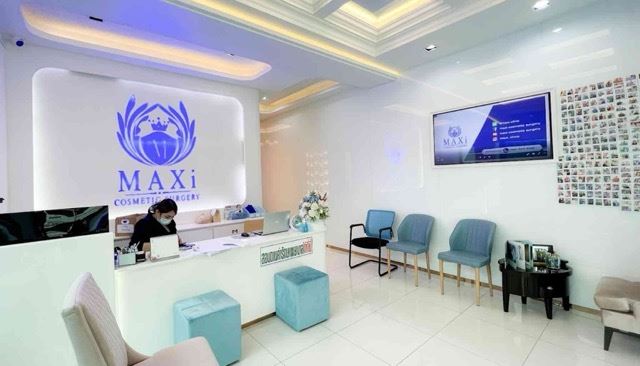
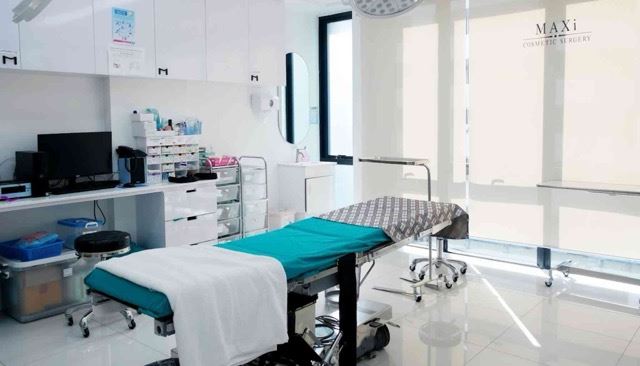
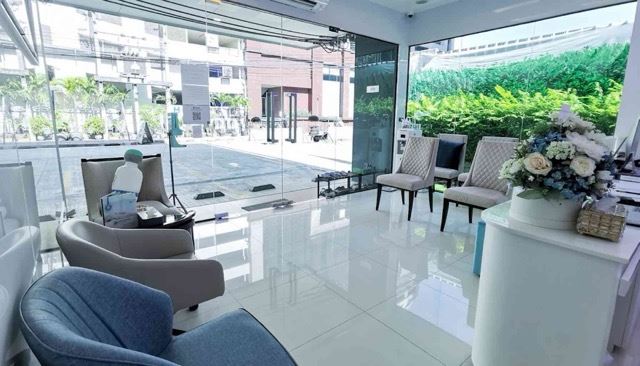
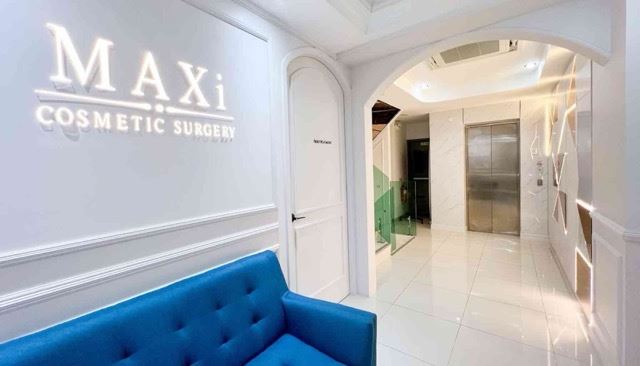
5MAXI Cosmetic SurgeryNot listedKanit Wittayavanichai20 yearsPrice on requestNo reviews yet; ordered by listing priority.
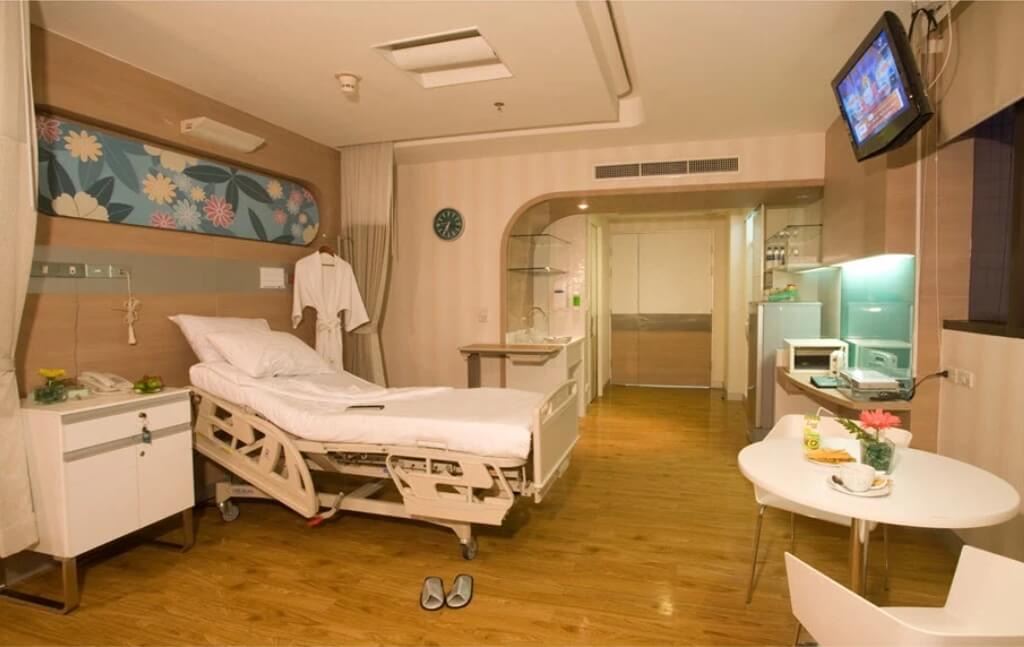
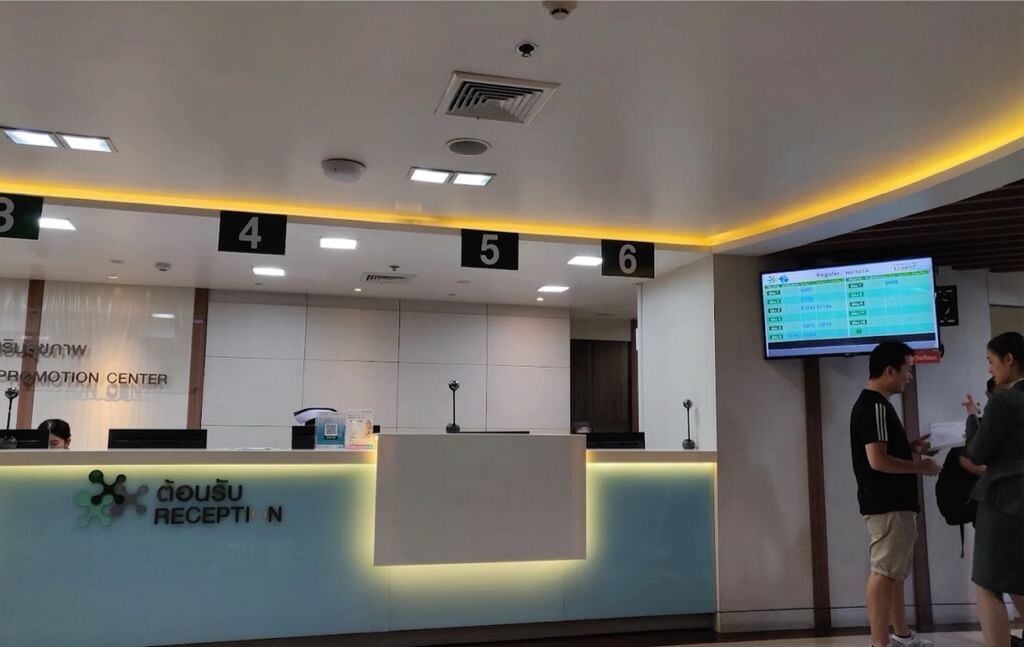
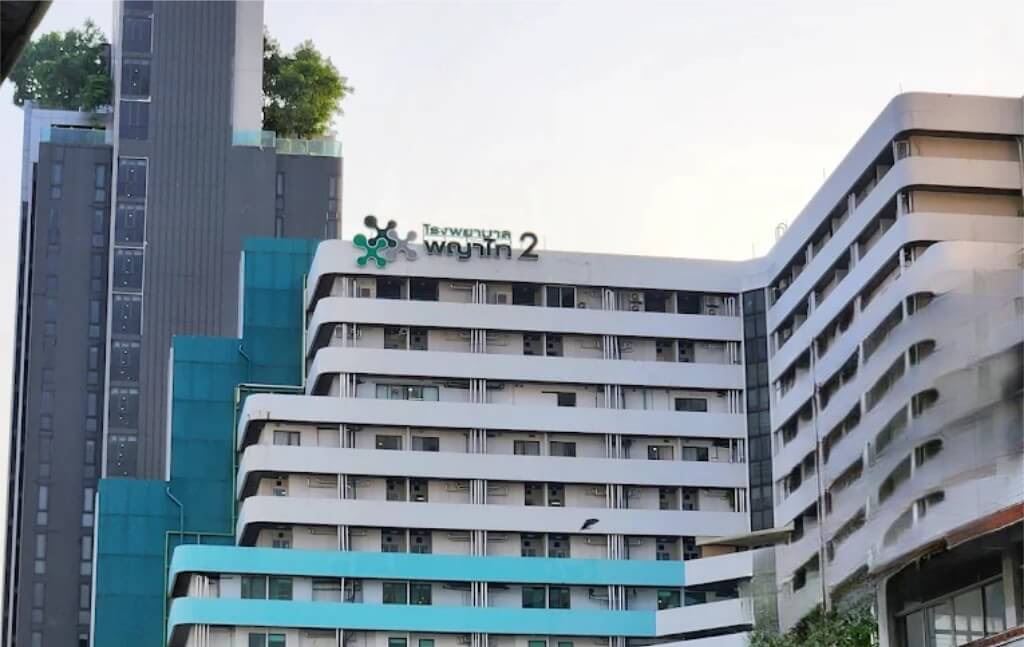
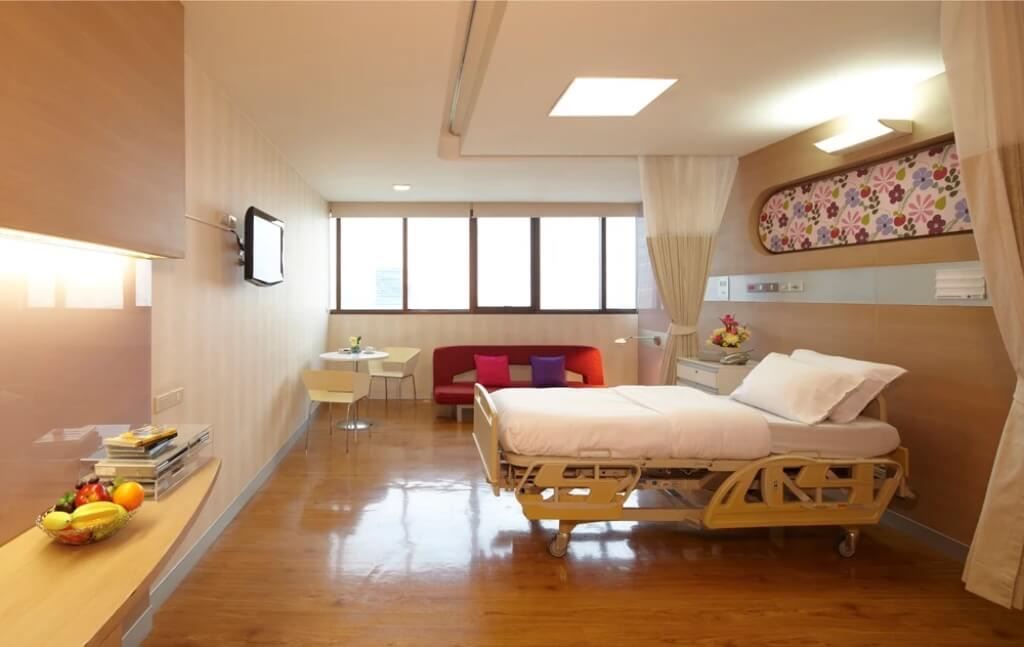
6Phyathai 2 International HospitalNot listed1 doctorNot listedPrice on requestNo reviews yet; ordered by listing priority.
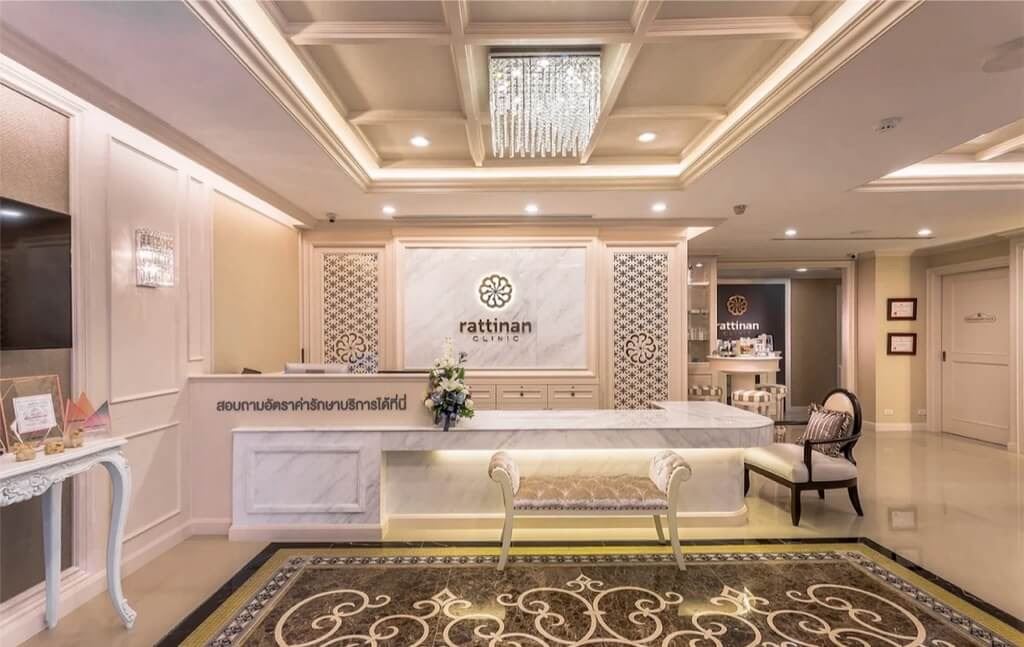
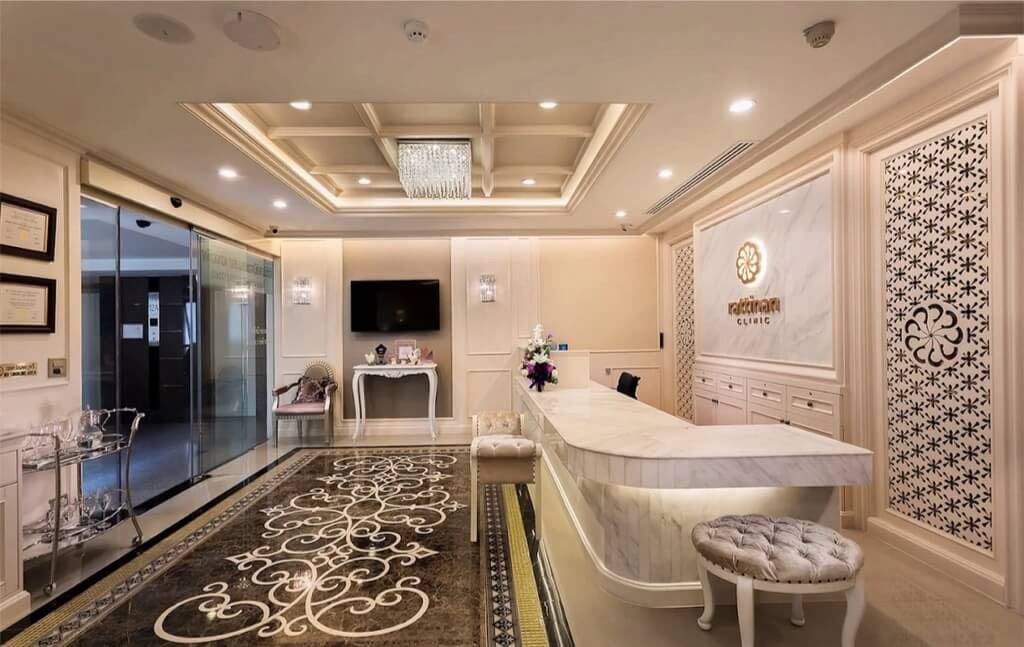
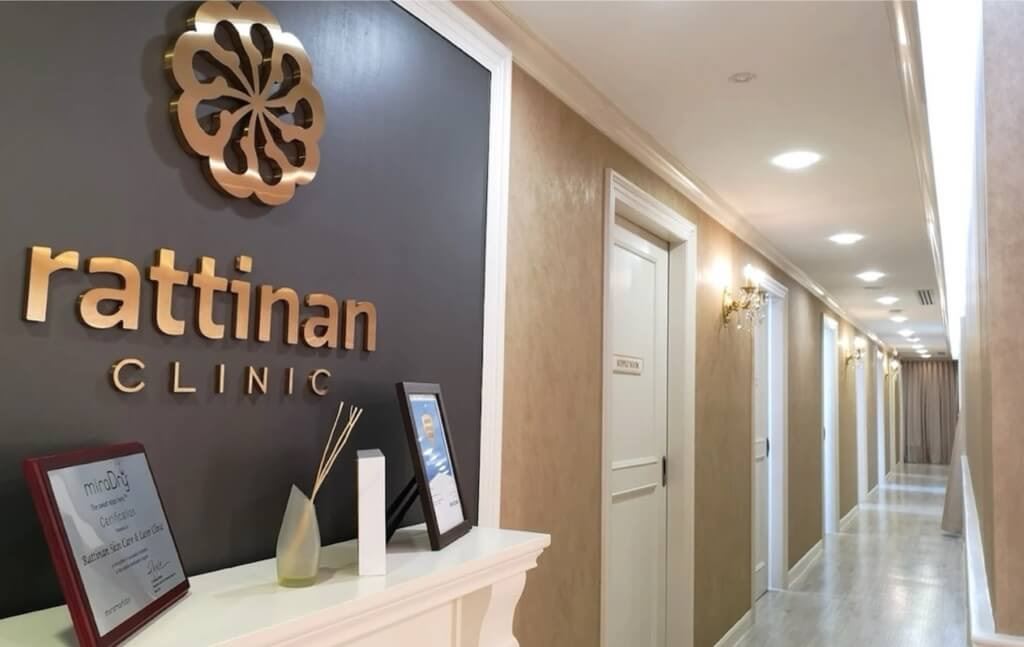
7Rattinan Medical CenterNot listedSuthipong Treeratana31 yearsPrice on requestNo reviews yet; ordered by listing priority.
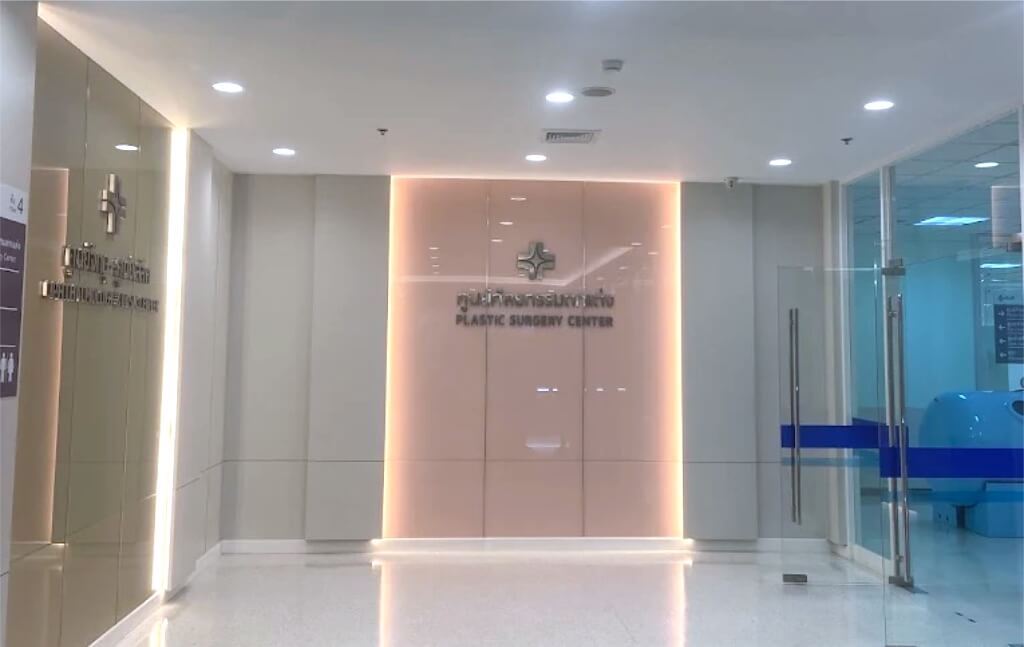
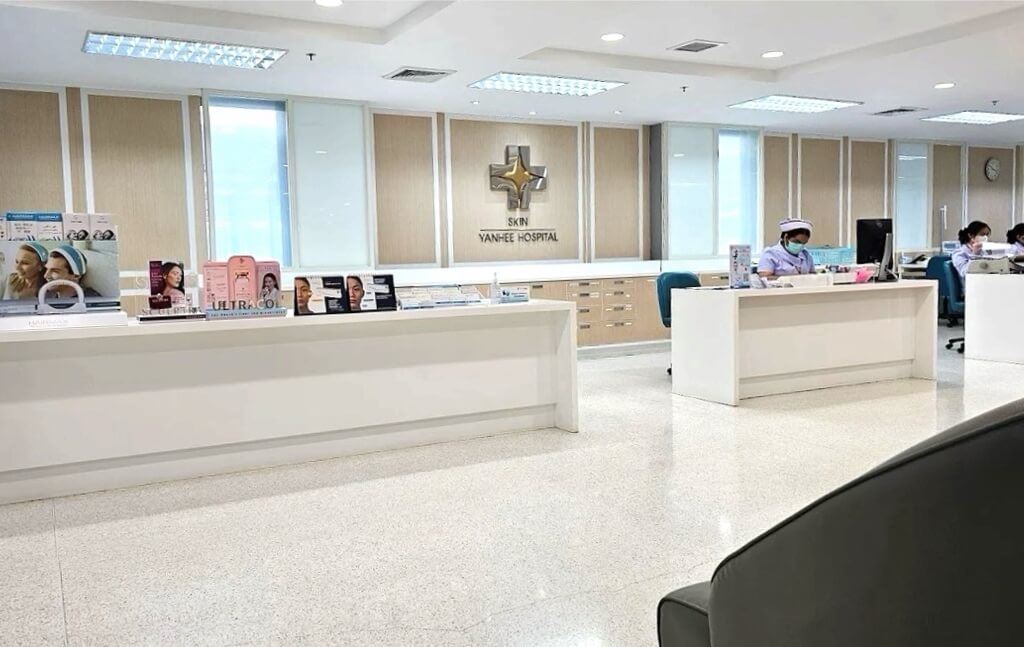
8Yanhee Hospital Health & BeautyNot listedKittichai Sipiyarak29 yearsPrice on requestNo reviews yet; ordered by listing priority.
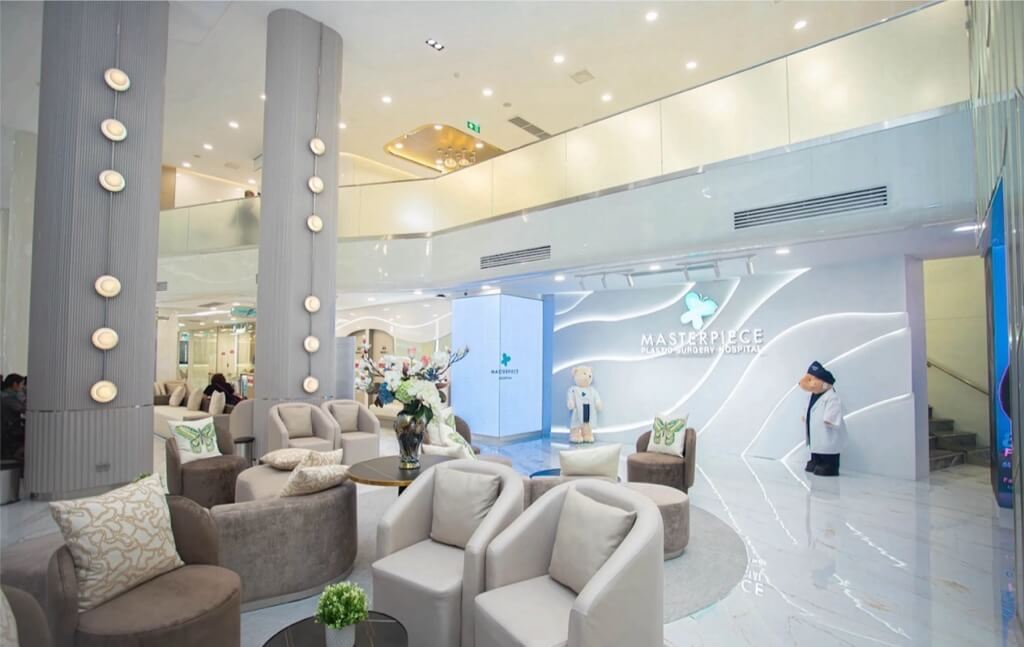
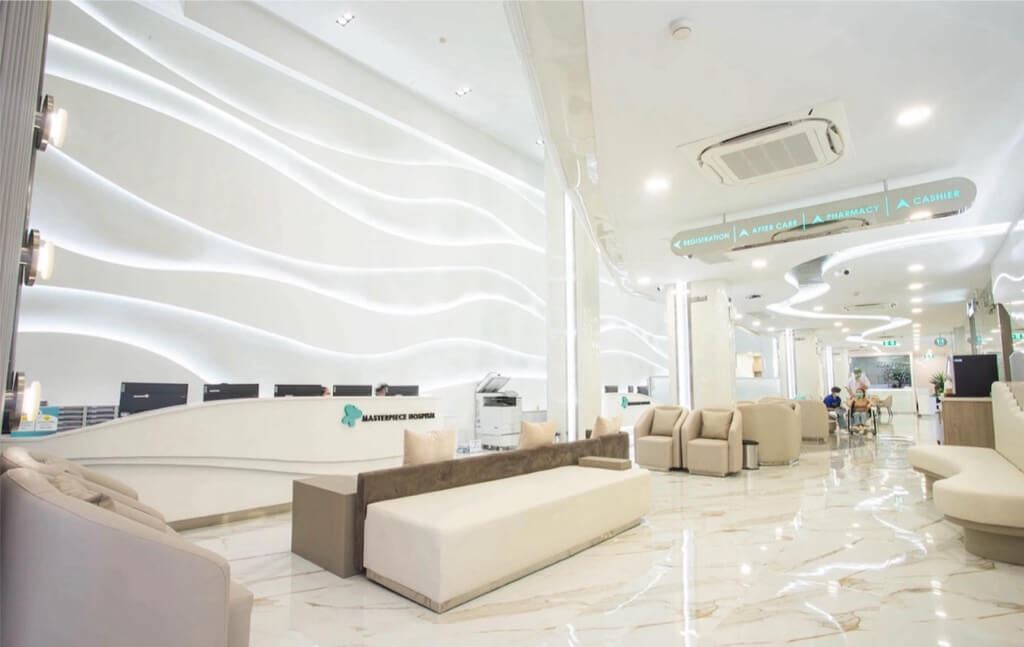
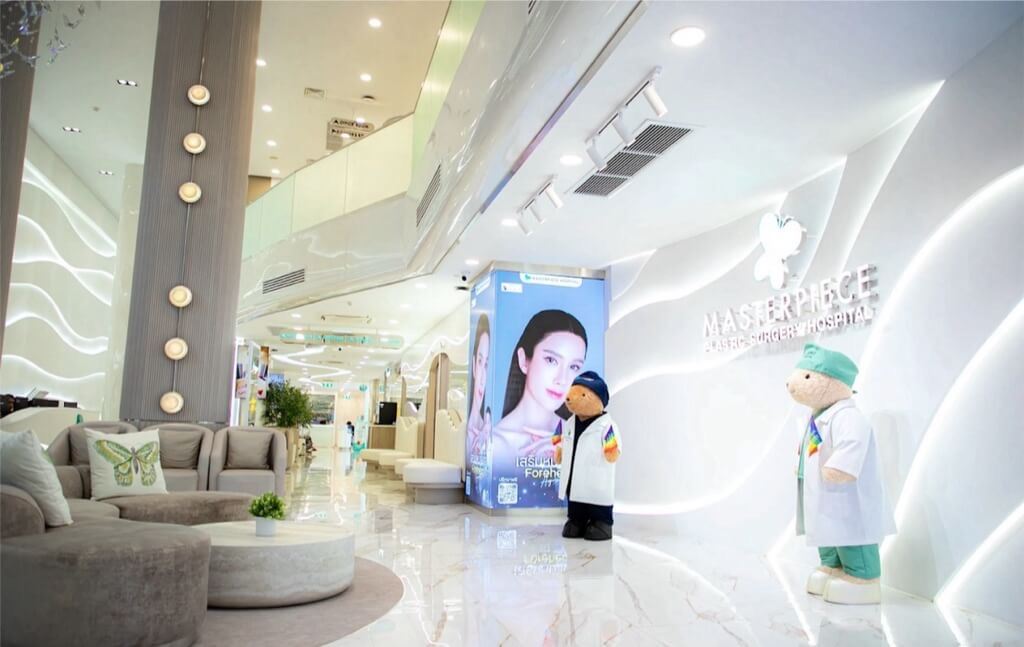
9Masterpiece Hospital9.5Chanakorn Tuenaree20 yearsPrice on request10 clinic reviews.
10Intrarat Hospital9.51 doctorNot listedPrice on request10 clinic reviews.
1Wansiri Hospital · 9.5
9 doctors listed.
2Asia Cosmetic Hospital · 9.5
10 clinic reviews.
3ID Clinic · 9.5
10 clinic reviews.
4Kamol Cosmetic Hospital · 9.5
15 clinic reviews.
5MAXI Cosmetic Surgery
No reviews yet; ordered by listing priority.
6Phyathai 2 International Hospital
No reviews yet; ordered by listing priority.
7Rattinan Medical Center
No reviews yet; ordered by listing priority.
8Yanhee Hospital Health & Beauty
No reviews yet; ordered by listing priority.
9Masterpiece Hospital · 9.5
10 clinic reviews.
10Intrarat Hospital · 9.5
10 clinic reviews.

Read our full clinic ranking policy

Reviewed, accredited and performed by experienced surgeons

Eyelid surgery, also called blepharoplasty or an eyelid lift, removes excess skin, muscle and fat from the upper and/or lower eyelids to reduce hooding, under-eye bags and fine wrinkles, or to create a defined crease in double eyelid surgery. Thailand is a well-established option for this procedure: patients typically choose it for board-certified plastic surgeons trained in Thailand and abroad, JCI-accredited hospitals, and a lower cost than the US, UK or Australia for comparable care. This page is medically reviewed and lists JCI accreditation and board certification because those are the two credentials worth checking before you book, wherever you have the surgery.

Treatment information

  • Cost range: €1,200 - €2,500, treatment only (lower than typical Western pricing of €4,000-€9,000+; see the price comparison below)
  • Procedure types: upper eyelid surgery, lower eyelid surgery, Asian double eyelid surgery, ptosis correction, and combined upper-and-lower blepharoplasty
  • Recovery time: 7-10 days recommended stay in Thailand, initial healing within 1-2 weeks, final results visible in 3-6 months
  • Common destinations: Bangkok, Phuket and Chiang Mai, where the JCI-accredited hospitals and clinics on this page are located
  • What's included: this varies by clinic; some packages cover only the surgeon and facility fees, others bundle consultations, medication, airport transfers and accommodation, so confirm what is included before you compare quotes

Ready to compare clinics? The listing on this page shows JCI-accredited clinics offering eyelid surgery in Thailand, with pricing and reviews for each.

Patient story

Medical tourism for cosmetic procedures has grown steadily as patients look for accredited care outside their home country. Thailand is one of the more established destinations for this: its hospitals were among the first in Asia to earn Joint Commission International (JCI) accreditation, the same standard used to benchmark hospital safety and quality worldwide, and many of its plastic surgeons trained in the US, UK or Australia before returning to practice in Bangkok, Phuket or Chiang Mai.

The benefits of eyelid surgery in Thailand

Choosing Thailand for blepharoplasty involves more than the operating room. Here is what typically draws international patients to this specific procedure and destination.

  • Lower cost for comparable care

    Blepharoplasty in Thailand is priced well below typical US, UK and Australian rates for surgeons with equivalent training and accredited facilities.
  • Internationally trained surgeons

    Many plastic surgeons practicing in Thailand trained or held fellowships in Western countries and perform a high volume of eyelid procedures, including Asian double eyelid surgery.
  • JCI-accredited facilities

    Hospitals and clinics with JCI accreditation are audited against the same international safety and hygiene standards used to evaluate hospitals worldwide.
  • A recovery trip, not just a procedure

    Thailand's tourism infrastructure means your recovery week can double as a low-key holiday, with hotels used to post-surgical guests.

The cost of eyelid surgery in Thailand

Cost is the main reason patients research eyelid surgery abroad. In Thailand, blepharoplasty typically ranges from €1,200 to €2,500, treatment only. The exact price depends on whether you need upper, lower, or combined upper-and-lower surgery, the surgeon's experience, and the clinic's location. Some clinics quote all-inclusive packages that add consultations, medication, airport transfers and accommodation on top of the treatment-only fee, so always ask what a quote covers before comparing two clinics.

What's typically included in the cost

Inclusions vary by clinic, but a typical eyelid surgery package in Thailand covers:

  • The surgeon's and anesthesiologist's fees
  • Hospital or clinic facility costs
  • Pre-operative consultations and necessary medical tests
  • Post-operative check-ups and follow-up care
  • Medication needed during your immediate recovery
  • Airport transfers and accommodation, on some all-inclusive packages

Who is a good candidate for eyelid surgery

Blepharoplasty tends to work well for patients who:

  • Are in good overall physical and mental health
  • Have realistic expectations about what the surgery can and cannot change
  • Do not smoke, or are willing to stop for several weeks before and after surgery, since smoking slows healing
  • Have droopy or sagging upper eyelids, including cases where the skin affects vision
  • Have excess skin or fine wrinkles on the lower eyelids
  • Have puffiness or under-eye bags
  • Have a monolid and want a defined crease through Asian double eyelid surgery

Who should think twice before booking

Blepharoplasty is not the right procedure for everyone. Talk through your specific situation with a surgeon during your consultation, and treat these as flags to raise, not a self-diagnosis:

  • Serious dry-eye disease or other chronic eye conditions, which a blepharoplasty can worsen without careful assessment
  • Uncontrolled diabetes, thyroid disease (including Graves disease), or cardiovascular conditions that affect healing or anesthesia risk
  • Detached retina or glaucoma, which need clearance from an ophthalmologist first
  • Expecting the surgery to fix wrinkles elsewhere on the face, dark circles caused by pigmentation rather than fat or skin, or to change how others perceive you

How to choose a trustworthy surgeon or clinic

The single biggest factor in how your eyelid surgery turns out is who performs it. Before you book anything, check the following:

  • Board certification: confirm the surgeon is a board-certified plastic surgeon, not a general practitioner offering cosmetic add-ons
  • Procedure-specific experience: ask how many blepharoplasty or double eyelid procedures the surgeon performs per year, not just years in practice
  • Hospital or clinic accreditation: look for JCI accreditation or an equivalent international standard, which is independently audited rather than self-reported
  • A real before-and-after portfolio: ask for cases similar to your own eye shape and goals, not a generic gallery
  • Clear communication: make sure your surgeon or a qualified team member can discuss your case directly in a language you are comfortable with, not only through a sales agent
  • A written, itemized quote: get the price broken down (surgeon fee, facility fee, anesthesia, follow-up, any package inclusions) before you commit, so you can compare it against other clinics on the same basis

Next steps if you plan to have eyelid surgery in Thailand

Planning treatment abroad takes more upfront research than booking a local appointment. If you are considering blepharoplasty in Thailand, these are the essential steps:

  • Research clinics and surgeons: look at clinics in Bangkok, Phuket or Chiang Mai, read reviews, review before-and-after photos, and check the surgeon credentials above
  • Check accreditation: confirm the clinic or hospital holds JCI accreditation or an equivalent standard for safety and patient care
  • Schedule a virtual consultation: most clinics offer this; use it to discuss your goals and get a feel for the surgeon and how clearly they explain your options
  • Prepare a list of questions: ask about the surgeon's experience with your specific procedure, the technique they plan to use, the recovery timeline, and a full cost breakdown
  • Understand the package: clarify exactly what is included, what happens if there is a complication after you leave Thailand, and whether translation support is available

What is eyelid surgery (blepharoplasty)?

Eyelid surgery, medically known as blepharoplasty, is performed on the upper eyelids, lower eyelids, or both, to address sagging skin, puffiness and fine wrinkles around the eyes. The surgeon removes or repositions excess skin, muscle and fat to create a smoother, more defined eye area. Depending on your anatomy and goals, this can mean correcting droopy eyelids that affect vision, removing under-eye bags, or creating an eyelid crease through Asian double eyelid surgery.

Eyelid surgery recovery timeline in Thailand

Healing varies by individual and by how much work was done, but this is a general guide to what to expect.

  • How long does recovery take: initial swelling and bruising are most noticeable for the first 1 to 2 weeks
  • How long you should stay in Thailand: 7 to 10 days is the usual recommendation, to allow for at least one follow-up appointment, including suture removal if needed, before you fly home
  • When you can return to work: usually within 10 to 14 days for a desk job or other non-strenuous work
  • When you can return to exercise: light walking after about a week; wait at least 4 to 6 weeks before heavy lifting or vigorous exercise
  • When final results are visible: you will see meaningful improvement within a few weeks, but the fully settled result typically takes 3 to 6 months as residual swelling fades
  • What to avoid: rubbing your eyes, strenuous activity, swimming and contact lenses in the first few weeks, and direct sun without dark sunglasses
  • What to expect from your diet: light, easy-to-digest food for the first few days, and plenty of water to support healing

How the eyelid surgery procedure works

The process follows a structured path across four stages.

Your initial consultation

You discuss your goals with your surgeon, who evaluates your eyelid anatomy and skin quality and reviews your medical history to confirm you are a suitable candidate. This is the point to ask questions and agree on a surgical plan tailored to your anatomy, not a generic template.

Before the surgery

In the weeks before your procedure, you will typically be asked to avoid blood-thinning medication and supplements such as aspirin and vitamin E, stop smoking and drinking alcohol, and arrange for someone to accompany you after surgery.

The eyelid surgery procedure

On the day of surgery, anesthesia (usually local with sedation) is administered. For upper eyelid surgery, the surgeon makes an incision within the natural eyelid crease. For lower eyelid surgery, the incision is typically placed just below the lash line or inside the lower eyelid (a transconjunctival approach). The surgeon removes or repositions excess tissue, tightens the underlying muscle, and closes the incisions with fine sutures.

Post-operative follow-up

A follow-up appointment is typically scheduled 5 to 7 days after surgery to check healing and remove any non-dissolvable stitches, with instructions on scar care before you travel home.

Price comparison: eyelid surgery in Thailand vs. other countries

Treatment only, side by side by procedure type:

  • Upper eyelid surgery: €1,200-€1,800 in Thailand, versus €4,000-€7,000+ in the US, €3,500-€6,000+ in the UK, and €4,500-€8,000+ in Australia
  • Lower eyelid surgery: €1,300-€2,000 in Thailand, versus €4,500-€7,500+ in the US, €4,000-€6,500+ in the UK, and €5,000-€8,500+ in Australia
  • Upper and lower eyelid surgery combined: €1,800-€2,500 in Thailand, versus €6,000-€9,000+ in the US, €5,500-€8,000+ in the UK, and €7,000-€12,000+ in Australia

For exact, current quotes from individual clinics, see the listing on this page.

Note: Prices are estimates and can vary based on the clinic, surgeon, and specific patient needs.

Side effects of eyelid surgery

Like any surgical procedure, blepharoplasty carries potential side effects. These are usually temporary and manageable under the care of a qualified surgeon:

  • Temporary swelling, bruising and discomfort around the eyes
  • Dry, itchy or watery eyes
  • Temporary blurred or double vision
  • Sensitivity to light
  • A scar, though incisions are placed in natural creases to keep it as discreet as possible
  • Difficulty closing your eyes fully while swelling resolves
  • Infection and bleeding, which are uncommon with a qualified surgical team
  • Asymmetry that needs a minor touch-up, which is uncommon but possible with any eyelid procedure

Eyelid surgery results in Thailand

Patient satisfaction with blepharoplasty is consistently reported as high in the plastic surgery literature, and it is one of the more predictable procedures in terms of matching a patient's expectations, when the surgical plan is realistic from the start. When performed by an experienced surgeon, results are meant to look like a rested, refreshed version of your own eyes, not a visibly different face.

How to prepare for your eyelid surgery

Your surgeon will give you specific instructions, but general preparation guidelines include:

  • Stop blood-thinning medication: avoid aspirin, anti-inflammatory drugs and herbal supplements that increase bleeding risk for at least two weeks before surgery
  • Avoid smoking and alcohol: stop both for at least two weeks before and after surgery to support healing
  • Arrange support: have someone accompany you to and from the clinic and help you for the first 24-48 hours afterward
  • Set up your recovery space: have cold compresses, lubricating eye drops, extra pillows to keep your head elevated, and sunglasses ready before you go in

What patients say How we collect reviews

Reviews left by patients treated through Flymedi for this treatment. Each one is written in the patient's own language.

O.· Eyelid surgery✓ Verified

5.0 · 13 February 2026

I had double eyelid surgery today. I'm so excited! The service was fantastic and very fast. I didn't have to wait at all.

O. from Germany· Eyelid surgery✓ Verified

5.0 · 27 January 2026

I did upper eyelid surgery here and the whole process felt very professional. The surgeon explained the incision placement and what swelling/bruising would look like. My eyes look more refreshed but still like me. Great aftercare and clean facility.

P.· Eyelid surgery✓ Verified

5.0 · 21 January 2026

Came in to ask about eyelid surgery. The surgeon was professional and realistic about outcomes and downtime. They answered questions about scarring and swelling and showed before/after examples. The nurses were kind and the whole process felt private and respectful.

K.· Eyelid surgery✓ Verified

5.0 · 17 January 2026

I had double eyelid surgery at APEX Hospital. My eyelids look amazing! The doctor was very kind and it didn't hurt at all. The staff were very friendly and attentive, and the service was quick; I didn't have to wait long.

8 reviews

Frequently asked questions

Answers from the medical content team, reviewed by the medical reviewer named on this page.

How much does eyelid surgery cost in Thailand?
Blepharoplasty in Thailand typically costs €1,200 to €2,500, treatment only, depending on whether you need upper, lower, or combined surgery. This is generally lower than equivalent surgery in the US, UK or Australia; see the price comparison above.
Is eyelid surgery safe in Thailand?
It carries the same general risk profile as blepharoplasty anywhere, and that risk is lower when it's performed by a board-certified surgeon at a JCI-accredited hospital or clinic, which is audited against international safety standards.
How do I find a good eyelid surgeon in Thailand?
Look for board certification, a high volume of blepharoplasty cases specifically (not just cosmetic surgery generally), a before-and-after portfolio that matches your goals, and a clinic with international accreditation. See "How to choose a trustworthy surgeon or clinic" above.
What is the recovery time for blepharoplasty?
Initial swelling and bruising last about 1 to 2 weeks. Most patients return to work in 10 to 14 days, with final results visible after 3 to 6 months.
Will I have a visible scar after eyelid surgery?
Surgeons place incisions in the natural creases of the eyelid, so scars are generally discreet and fade over time, though healing varies by individual.
What is Asian double eyelid surgery?
It is a type of upper blepharoplasty that creates a defined crease in the upper eyelid for patients who naturally have a monolid. It is one of the more commonly requested procedures among the clinics on this page.
Can I have upper and lower eyelid surgery at the same time?
Yes, combining upper and lower blepharoplasty in a single operation is common when a patient wants comprehensive rejuvenation around the eyes.
How long do I need to stay in Thailand for the surgery?
Most clinics recommend a 7 to 10 day stay, to allow for the procedure itself plus at least one post-operative follow-up appointment.
How does the cost of blepharoplasty in Thailand compare to other countries?
Thailand generally runs well below the US, UK and Australia for equivalent blepharoplasty: for example, combined upper-and-lower surgery is about €1,800-€2,500 in Thailand versus €6,000-€9,000+ in the US. Full figures by procedure type are in the price comparison section above.
What's the difference between eyelid surgery in Thailand and Korea?
Both are established options. Korea has a strong focus on specific aesthetic trends in eyelid shape, while Thailand is known for combining accredited medical care with lower cost and an established tourism infrastructure for your recovery stay.
Is the procedure painful?
The surgery itself is performed under anesthesia, so it is not painful. Expect some tightness, soreness and mild discomfort for the first few days afterward, which is normally managed with prescribed pain medication.
When can I wear makeup again?
Most surgeons clear patients to wear makeup again around 10 to 14 days after surgery, once the incisions have closed enough to avoid irritation.
What are the risks of eyelid surgery?
Risks include infection, scarring, dry eyes and temporary difficulty closing the eyes fully. Choosing a board-certified surgeon at an accredited facility reduces, but does not eliminate, these risks.
Can eyelid surgery improve my vision?
It can, in a specific case: if severely drooping upper eyelids (a condition called ptosis) hang over the pupils and obstruct your field of vision, removing the excess skin can restore it. A surgeon needs to assess whether this applies to you.
What is a non-surgical eyelid lift?
Non-surgical options such as plasma fibroblast therapy, radiofrequency treatments or injectables can offer subtle, temporary tightening. They do not produce the same degree or durability of change as surgical blepharoplasty.
How do I choose the right clinic in Thailand?
Check for international accreditation such as JCI, confirm the surgeon is board-certified with real blepharoplasty case volume, read patient reviews, and get a written itemized quote before committing. See the full checklist above.
Can I combine eyelid surgery with other procedures in Thailand?
It's common to combine blepharoplasty with other facial procedures such as a facelift or brow lift in a single trip, but this depends on your health and your surgeon's assessment. Discuss this during your consultation rather than assuming it's automatically possible.
Who should not get eyelid surgery?
Patients with uncontrolled diabetes, certain thyroid or cardiovascular conditions, severe dry-eye disease, or unaddressed retinal or glaucoma issues should get clearance from the relevant specialist first. See "Who should think twice before booking" above.

About this page

Written by Abdulaziz Ali, Leading Medical Writer & Strategist at Flymedi. Medically reviewed by Op. Dr. Arda Akgün. Content updated 11 September 2026. Next scheduled review 11 September 2027.

This page is general information, not personal medical advice. It does not diagnose you and it does not replace an individual assessment by a doctor who has examined you.

Found something wrong or out of date on this page? Tell us and we will check it. Editorial standards and reviewer list: authors and reviewers.

Ready to compare offers?

Tell us about your case and a coordinator matches you with clinics that fit it.

Match me with a clinic