
Luna Clinic Turkey ✔ Verified
Şişli, Turkey · 888 clinic reviews
9.4FlymediScore
Lead: Bariatric surgery, 26 years
TURSABMOHESCADTTB
Speaks EN · FR +6
In the past few years, more people have started traveling to other countries for medical care. Colonoscopy, which helps detect and prevent issues with the colon, is one of the treatments people often seek abroad. Turkey has become a popular destination for medical procedures like this because of its affordable prices and high-quality care. In fact, thousands of people visit Turkey every year for treatments.
Figures are ranges, not promises. Suitability needs an individual assessment by a doctor.
Each clinic sets its own price, so check what the price includes before comparing two of them.


Şişli, Turkey · 888 clinic reviews
Speaks EN · FR +6


Şişli, Turkey · 435 clinic reviews
Speaks EN · FR +6


Şişli, Turkey · 48 clinic reviews
Speaks EN · SQ +14


Bağcılar, Turkey · 18 clinic reviews
Speaks AZ · BG +11


Gaziosmanpaşa, Turkey · 39 clinic reviews
Speaks EN · UZ +7


Sarıyer, Turkey · 21 clinic reviews
Speaks SQ · AR +18


Sarıyer, Turkey · 22 clinic reviews
Speaks BG · EN +7


Şişli, Turkey · 27 clinic reviews
Speaks AZ · BG +11

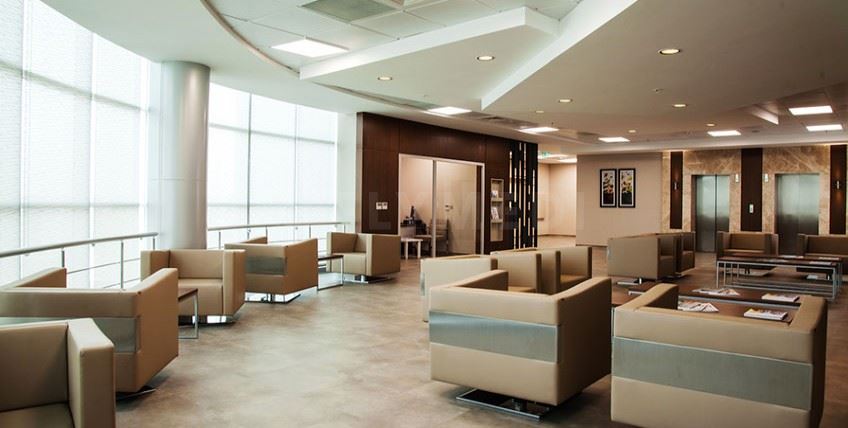
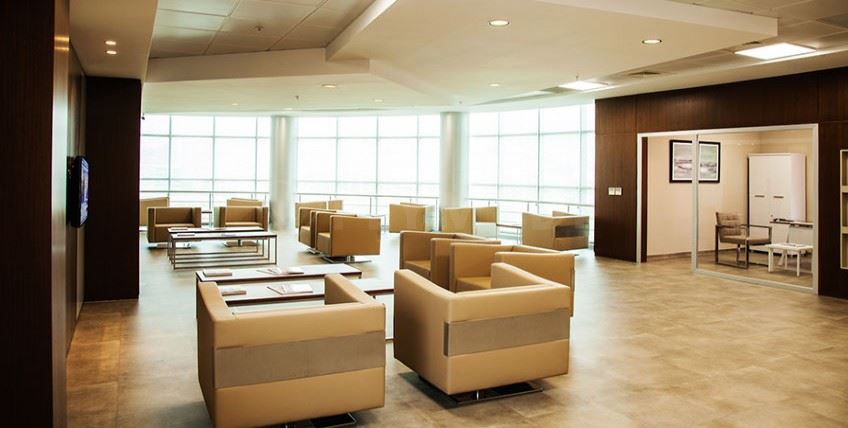
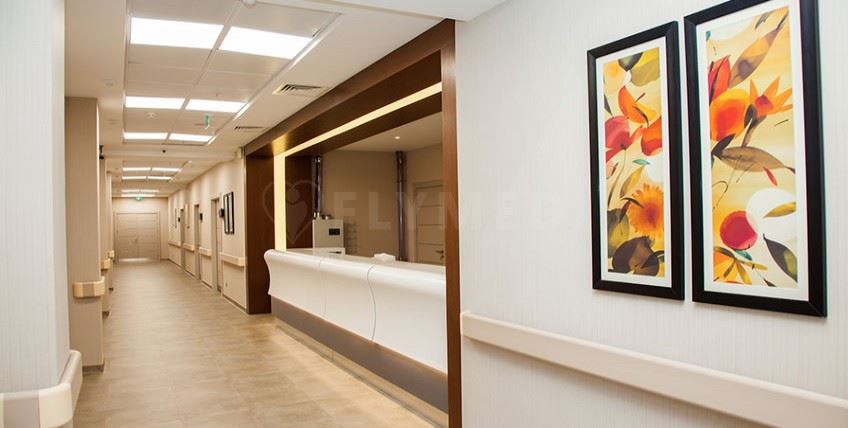
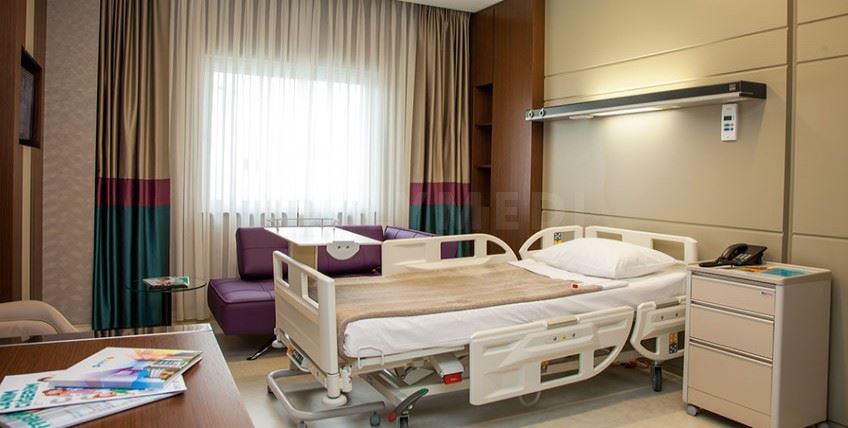
Clinics are scored and ordered by Flymedi. How ranking works.
Patients treated through Flymedi, in their own words. Nothing loads or plays until you press play.
Louren
Gastric sleeve
Spoken in EnglishSource: YouTube
Jacqueline Davies
Gastric sleeve
Spoken in EnglishSource: YouTube
Deborah McElroy
Gastric bypass surgery
Spoken in EnglishSource: YouTube
Noel
Gastric sleeve
Spoken in EnglishSource: YouTube
Kimberley Pattern
Gastric sleeve
Spoken in EnglishSource: YouTube
Imre Fulop
Gastric bypass surgery
Spoken in EnglishSource: YouTube
Pam Gibson
Gastric sleeve
Spoken in EnglishSource: YouTube
Lee
Gastric sleeve
Spoken in EnglishSource: YouTube
Alex
Septoplasty
Spoken in EnglishSource: YouTube
Laura
Dental implants
Spoken in EnglishSource: YouTube
Clinics are scored from patient reviews and ordered by Flymedi. The facts behind each position are listed below. How ranking works.
| Rank | Clinic | FlymediScore | Lead doctor | Experience | From | Why it is ranked here |
|---|---|---|---|---|---|---|
| 1 | Luna Clinic Turkey | 9.4 | Bariatric surgery | 11 years | Price on request | Most reviewed on this page (888 reviews). Declares TURSAB, MOH, ESCAD, TTB. 32 doctors listed. |
| 2 | Istanbul European Clinic | 9.3 | Bariatric surgery | 13 years | Price on request | Declares TURSAB, MOH, ASAPS, ESCAD, ESHRS, ISAPS, TTB. 23 doctors listed. |
| 3 | Memorial Sisli Hospital | 9.1 | 4 doctors | Not listed | Price on request | Declares JCI, EFI, ISO 9001:2000, TTB. 4 doctors listed. |
| 4 | Medipol Mega University Hospital | 9.4 | 4 doctors | Not listed | Price on request | Declares JCI. 4 doctors listed. |
| 5 | Medical Park Gaziosmanpasa Hospital | 9.7 | 4 doctors | Not listed | Price on request | Highest FlymediScore on this page. Declares JCI, CEN, EMBT, ISCT, CIBMTR. 4 doctors listed. |
| 6 | Liv Hospital | 9.4 | 6 doctors | Not listed | Price on request | Declares ASAPS, ISO 14001, ISO 9001:2015, JCI, TÜV SÜD. 6 doctors listed. |
| 7 | Acibadem Maslak Hospital | 9.6 | 4 doctors | Not listed | Price on request | Declares JCI, ISO 9001:2008. 4 doctors listed. |
| 8 | Florence Nightingale Istanbul | 9.5 | 4 doctors | Not listed | Price on request | Declares JCI, OHSAS 18001, ISO 9001:2000, TÜV SÜD, ISO 14001. 4 doctors listed. |
| 9 | Kent Hospital | 9.5 | 4 doctors | Not listed | Price on request | Declares JCI. 4 doctors listed. |
Getting a colonoscopy in Turkey costs much less than in many other countries, but the quality of care remains excellent. Hospitals in Turkey are modern, and doctors are highly trained, often with international experience.
Many people choose Turkey not just for the treatment but also for the chance to recover in a peaceful and comfortable setting. Travel agencies can arrange everything for you, including flights, hotels, and transportation. This way, you can relax and focus on getting better.
Doctors and nurses in Turkey are used to treating patients from all over the world. Many of them speak multiple languages, so you won’t have to worry about communication issues.
Unlike some countries where you might wait weeks or even months for a colonoscopy, Turkey’s hospitals can usually book your procedure within a few days.
Turkey is a beautiful country with a lot to offer. After your treatment, you can explore historical landmarks, relax on the beaches, or enjoy the vibrant cities.
The price of a colonoscopy in Turkey usually ranges from €500 to €1,000. This is much cheaper than in countries like the US or those in Western Europe, where the same procedure can cost over €2,000. The final cost depends on the hospital and whether additional tests or treatments are needed.
A colonoscopy is recommended for:
It’s important to talk to your doctor to see if you need a colonoscopy and to discuss any health issues you may have.
If you’re thinking about getting a colonoscopy in Turkey, here’s what to do next:
Planning ahead and choosing the right clinic will help you get the best care in Turkey, save money, and enjoy a smooth experience.
A colonoscopy is a medical procedure that enables your health care provider to examine the inside of your colon (large intestine). The procedure uses a long, flexible tube called a colonoscope, which has a light and a tiny camera on one end. This instrument is inserted into the rectum and advanced through the colon.
The colonoscope can be used to:
During a colonoscopy, your provider may remove tissue samples or polyps (abnormal growths) for further examination. Additionally, the procedure may allow treatment of identified issues.
The colon, the last section of the digestive system, plays a crucial role in absorbing water and transforming waste into solid stool. It is approximately five feet long in adults and is divided into four sections:
The rectum leads to the anus, where stool exits the body.
A colonoscopy is a vital tool for screening colon and rectal cancer, especially in individuals without symptoms. It is also used to monitor the colon after cancer treatment.
The procedure can detect and address:
Your provider may recommend a colonoscopy following tests like:
While generally safe, a colonoscopy carries some risks, including:
Discuss any specific risks with your provider before the procedure.
Avoid eating or drinking after midnight the night before the procedure.
Allergies to medications or latex.
Current medications, including over-the-counter drugs and supplements.
Bleeding disorders or pregnancy.
You may need to take laxatives, enemas, or special fluids to clean the colon thoroughly.
Preparation: You will change into a hospital gown and may receive sedatives or pain medication through an IV.
Positioning: You’ll lie on your left side with knees bent.
Insertion: A lubricated colonoscope is inserted into your rectum and advanced through your colon. You may feel mild pressure or cramping
Examination: The colonoscope allows your provider to clean, inspect, and photograph the colon. Polyps may be removed, and biopsies may be taken.
After the procedure, you’ll be monitored in a recovery area. Once your vital signs are stable, you may be discharged.
Reach out to your doctor if you experience:
Turkey has become a hub for high-quality medical care, including colonoscopy procedures. Many facilities offer state-of-the-art technology, experienced gastroenterologists, and competitive pricing, making it an excellent choice for medical tourism. Patients from around the globe seek colonoscopy in Turkey for its blend of affordability and professional expertise.
During the consultation, the doctor will discuss your symptoms, medical history, and reasons for the colonoscopy. They will explain the process and answer your questions.
You will need to prepare your bowel by following a special diet and taking laxatives the day before. This step is crucial for a clear view during the procedure.
During the procedure, you will be given sedation to help you relax. The doctor will insert a flexible tube with a camera into your rectum to examine the colon. If necessary, they can remove polyps or take tissue samples for testing.
The follow-up usually happens a few days after the procedure. The doctor will discuss the results with you and provide any necessary recommendations.
Colonoscopy is highly effective in detecting and preventing colorectal cancer. Studies show that colonoscopy reduces the risk of colon cancer by up to 68%. The results are long-lasting, especially if you follow regular screening schedules and a healthy lifestyle.
| Procedure | Colonoscopy |
| Duration | 30-60 minutes |
| Stay | 1-2 days in Turkey |
| Cost in Turkey | €800 - €1,500 |
| Anesthesia | Local |
| Recovery | Most patients recover within a day |
| Final Results | Biopsy results within 1 week |
| Side Effects | Bloating, cramping, mild discomfort, slight bleeding if polyps removed |
| Risks | Persistent bleeding, intestinal perforation, adverse reactions to sedatives |
| Success Rate | 95%-98% for effective detection and prevention |
| Exercise | Light activities after 1 day; heavy exercise after 2-3 days |
| Back To Work | Next day, unless experiencing sedation side effects |
| Scars | None |
| Pain | Minimal to slight discomfort |
| Related Procedures | Virtual colonoscopy (CT colonography), Sigmoidoscopy, Stool DNA tests |
Scroll sideways for the full table
Answers from the medical content team, reviewed by the medical reviewer named on this page.
The procedure typically takes about 30-60 minutes.
No, sedation is used to ensure you are comfortable during the procedure.
No, you will need to fast and follow a liquid diet as instructed by your doctor.
If no biopsy is needed, the doctor may share initial findings immediately. Biopsy results usually take a few days.
Yes, it is a safe procedure with minimal risks when performed by a qualified doctor.
Most people need one every 10 years starting at age 45. Your doctor might recommend more frequent screenings based on your health.
No, you should avoid driving for at least 24 hours due to the sedation.
Yes, it’s recommended to have someone accompany you and assist you after the procedure.
Yes, there are other tests like stool tests or virtual colonoscopies, but they may not be as thorough.
Yes, many patients combine their medical treatments with tourism or other medical procedures.
Written by Kubilay Aydeger, Expert Medical Content Writer at Flymedi. Medically reviewed by Cuneyt Kayaalp, General surgery. Content updated 6 January 2025. Next scheduled review 6 January 2026.
This page is general information, not personal medical advice. It does not diagnose you and it does not replace an individual assessment by a doctor who has examined you.
Found something wrong or out of date on this page? Tell us and we will check it. Editorial standards and reviewer list: authors and reviewers.
Tell us about your case and a coordinator matches you with clinics that fit it.