Rhinoplasty was historically associated with one specific image: the Hollywood nose job, in which patients of non-white heritage emerged from surgery with visibly smaller, narrower, more Eurocentric features. This image was damaging — not just aesthetically, but culturally. It reinforced the idea that cosmetic surgery meant assimilation, that choosing to change your nose meant rejecting your heritage.
Hip-hop complicated that narrative in an unexpected way. The genre built an entire value system around authenticity, individual expression, and the refusal to conform. When artists from within that world began showing signs of rhinoplasty — and in several cases, discussing it openly — the message changed. You could refine your features without abandoning who you were. The procedure was no longer read exclusively as self-erasure.
The shift was not that hip-hop made nose jobs fashionable. It was that hip-hop made it possible to have that conversation at all — in a community where cosmetic surgery had long been treated as something you did not talk about.
This cultural shift had a direct clinical consequence. Surgeons who specialise in ethnic rhinoplasty have reported a significant increase in consultations from patients of African, Caribbean, and South Asian heritage — many of whom reference celebrities as the moment they felt the procedure was for them.
The Artists Who Moved The Needle
No artist has generated more online rhinoplasty discussion than Drake. Comparing photographs across his career — from early television appearances through to recent years — board-certified surgeons have publicly noted changes consistent with a refined nasal tip and a subtle reduction in dorsal projection, while his overall nasal character appears preserved. His case is unconfirmed. What is not in question is the volume of cultural conversation it has generated: the search phrase "drake nose job" attracts 18,000 searches per month globally, and the underlying question in most of those searches is not about Drake at all. It is: could someone like me have this done?
He is far from alone in the conversation. Nicki Minaj has discussed cosmetic surgery openly, and before-and-after comparisons suggest tip refinement consistent with rhinoplasty — demonstrating that surgical refinement can coexist with a maximalist, expressive aesthetic identity. Cardi B normalised the cosmetic surgery conversation within her fanbase — which skews significantly towards younger Black and Latina women — by discussing her procedures frankly on social media. Travis Scott's changing profile circulates widely in discussions about male ethnic rhinoplasty. Lil Wayne's facial evolution across two decades has been attributed by some observers to possible rhinoplasty among other procedures, though unconfirmed.
The common thread across these conversations is not the confirmation of surgery. It is the volume and tone of the conversation itself. When millions of people search whether a given artist had a nose job, the implicit question underneath is often: what does this involve, and is it something I could consider?
What Actually Changed: The Procedure, Not Just The Perception
The cultural shift coincided with a genuine technical evolution in rhinoplasty. The overcorrected, overly Westernised results that gave nose jobs their bad reputation were, in large part, a product of outdated technique — specifically, of surgeons applying the same reductive approach to every nose regardless of the patient's anatomy.
Modern ethnic rhinoplasty is built on a different principle: preservation over reduction.
Rather than removing cartilage to reshape the nose, the preservation approach works by repositioning and supporting existing structures. The dorsum — the bridge of the nose — is lowered by pushing the structure downward rather than shaving it, preserving the natural tissue envelope and avoiding the artificial flatness that characterised older results. For ethnic patients, this is particularly important because it maintains the nasal character that makes a result look natural for that face rather than operated on.
The Anatomy Behind Ethnic Rhinoplasty
Understanding why ethnic rhinoplasty is technically distinct requires a brief look at the three structural factors that differ most significantly across ethnic groups and that determine how a rhinoplasty must be planned.
Skin thickness. Patients of African and Caribbean heritage typically have thicker nasal skin than patients of European descent. This matters because the skin is the final covering over the cartilage framework beneath it. Thicker skin obscures cartilage detail — which means a smaller or more refined internal structure does not automatically produce a smaller or more refined-looking nose. The surgeon must build more cartilage support, not less, to create definition that shows through the overlying skin.
Cartilage strength and composition. Tip cartilage in patients with thicker skin tends to be weaker and more flexible than in patients with thinner skin. Weak cartilage collapses over time, particularly after surgery. To prevent this and maintain the refined shape long-term, surgeons reinforce the tip structure using cartilage grafts — taken from the nasal septum, the ear, or in more significant cases, the rib.
The nasal base. Patients of African heritage often have a wider nasal base relative to European anatomical norms. Base reduction — narrowing the width of the nostrils — is a common component of ethnic rhinoplasty, but must be approached conservatively. Over-reduction produces an unnatural appearance and is one of the most visible markers of a poorly executed ethnic nose job.
What the old approach produced — aggressive bridge reduction, a tip narrowed to European proportions, and an over-reduced base — is the result that earned rhinoplasty its worst reputation in these communities. The modern approach delivers tip definition through grafting, preserves the dorsal structure, applies base narrowing proportionate to the individual face, and retains ethnic character throughout.
One of the most important things that has not changed — despite everything that has evolved culturally and technically — is this: the outcome is almost entirely determined by the surgeon performing the procedure.
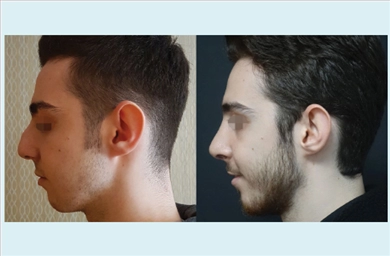
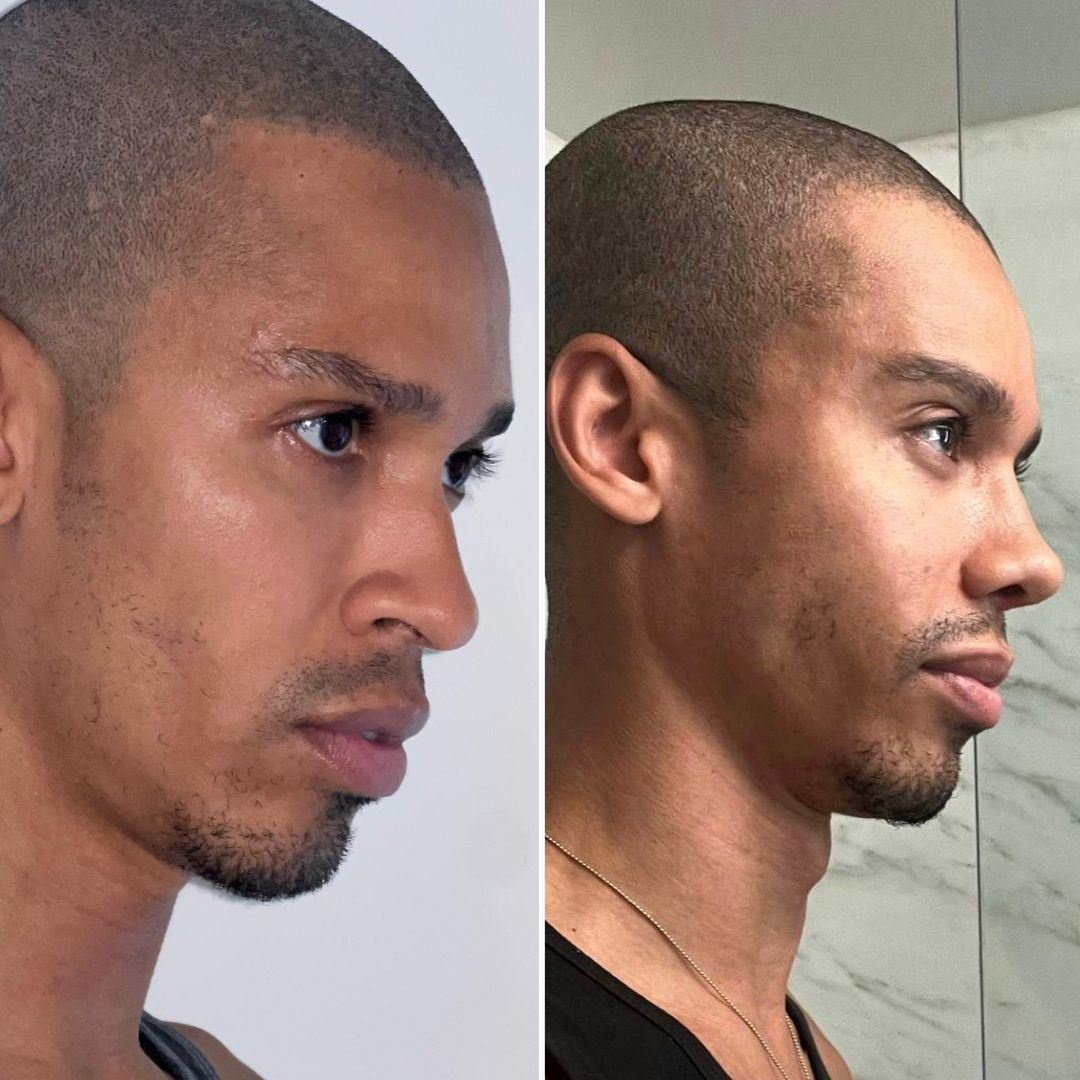
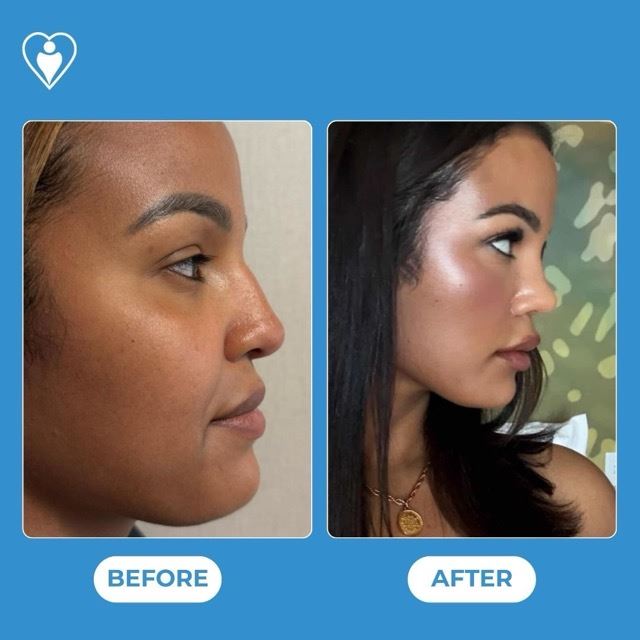
This is true for all rhinoplasty, but it is especially true for ethnic rhinoplasty. The techniques involved — structural grafting, preservation of the dorsum, conservative base reduction — require a depth of experience with non-European anatomy that many general plastic surgeons simply do not have. A surgeon who performs ethnic rhinoplasty well will have a portfolio of before-and-after photographs showing patients with comparable skin type, tip anatomy, and nasal base to yours. Anything less is not sufficient evidence of competency for this procedure.
A specific red flag to watch for in consultations: if a surgeon shows you before-and-after photographs of patients whose ethnic background differs significantly from yours, or cannot explain how they manage thick nasal skin and weak tip cartilage, seek a second opinion. Ethnic rhinoplasty experience is anatomy-specific — it is not interchangeable with general rhinoplasty volume.
These questions are specifically relevant for ethnic rhinoplasty consultations and should be raised before any decision is made.
Ask to see before-and-afters specifically for patients with comparable skin thickness and nasal anatomy — not just general rhinoplasty results.
Septal cartilage is the primary source; ear or rib cartilage is used when septal supply is insufficient. A surgeon who does not discuss grafting for thick-skinned patients should be questioned on this.
Most ethnic rhinoplasties are performed via open approach for better access and visibility. Understand the reasoning as it applies to your specific case.
Every reputable surgeon should be able to produce pre-operative imaging. This is how you align expectations before surgery, not after.
The answer should be specific — not "we try to keep it natural." The surgeon should be able to describe the structural decisions that will maintain your identity.
A figure under 5–10% is typical for experienced surgeons. An unusually low number warrants scrutiny — it may reflect incomplete follow-up rather than perfect outcomes.
Days 1–7. A protective splint is worn for the first week. Bruising around the eyes peaks at 48–72 hours and then begins to fade. Swelling is significant but normal. Most patients are comfortably mobile by day three or four but remain indoors. The splint is removed at the 7–10 day appointment.
Weeks 2–4. Bruising is largely resolved. Swelling is visible to you but often unnoticeable to others. Most patients return to desk-based work by week two. Strenuous exercise, contact sport, and prolonged sun exposure should be avoided for the full four weeks.
Months 3–6. Approximately 70–80% of swelling has resolved and the result is becoming clear. Patients with thicker nasal skin — which includes many ethnic rhinoplasty patients — take longer to see full tip definition than thin-skinned patients. This is normal and expected, not a sign that something has gone wrong.
12 months. Residual swelling has fully cleared and this is the result to evaluate against your pre-operative goals and imaging. Thick-skinned patients may see continued improvement up to 18 months post-surgery as the skin fully settles and conforms to the new cartilage structure beneath it.
Istanbul sits at a geographic and cultural intersection that has directly shaped its rhinoplasty expertise. The city treats a very high volume of patients from the Middle East, North Africa, and the Gulf — patient groups whose nasal anatomy shares key characteristics with African and Caribbean anatomy: thicker skin, less-defined tip cartilage, and a wider nasal base. This volume of ethnically diverse cases has produced a clinical depth of experience with non-European rhinoplasty technique that is genuinely difficult to find in Western markets where patient demographics are narrower.
Rhinoplasty in Turkey typically costs between £2,500 and £5,500 all-inclusive — covering surgery, anaesthesia, one night in hospital, transfers, and follow-up appointments. The equivalent procedure in the UK commonly costs £7,000–£12,000. The difference reflects lower operating costs in Turkey, not a reduction in clinical standard at accredited facilities. Turkey has more than 50 JCI-accredited hospitals, and the board certification requirements for surgeons are equivalent to European standards.
What you should look for when evaluating a Turkish rhinoplasty clinic mirrors what you should look for anywhere: JCI hospital accreditation, a board-certified surgeon with demonstrable ethnic rhinoplasty experience, verified patient reviews from comparable cases, a dedicated patient coordinator, and a defined aftercare protocol for when you return home. See our full guide to rhinoplasty in Turkey — costs, clinics and before-afters for the complete evaluation framework.
Frequently Asked Questions
Is ethnic rhinoplasty just a nose job — what actually makes it different?
The term refers to rhinoplasty that is planned and executed with specific attention to the patient's ethnic anatomy and heritage. Standard rhinoplasty training historically focused on European nasal anatomy. Ethnic rhinoplasty requires a different skillset — particularly around thick skin management, structural cartilage grafting for tip definition, and conservative base reduction — that not all surgeons possess. The goal is refinement that looks natural for that individual face, not Westernisation.
How do I know if a surgeon is genuinely experienced in ethnic rhinoplasty?
Ask to see a portfolio of before-and-after photographs from patients with similar skin thickness and nasal anatomy to yours. A surgeon with genuine ethnic rhinoplasty experience will have this readily available. Ask specifically about their approach to thick nasal skin and weak tip cartilage — if they cannot explain their technique in clear, specific terms, that is a signal to seek a second opinion. Membership in ISAPS (International Society of Aesthetic Plastic Surgery) and a demonstrated case volume with ethnic patients are both positive indicators.
Will the result look natural, or will people be able to tell I had surgery?
The modern preservation approach is specifically designed to avoid the tell-tale signs of a visible nose job: the over-refined tip, the pinched nostrils, the loss of ethnic identity. When planned well and performed by an experienced surgeon, the result should look like a better version of your own nose — not someone else's. Reviewing your surgeon's before-and-after portfolio for patients with your skin type and background is the most reliable indicator of what to expect.
How long do I need to stay in Turkey after rhinoplasty?
Most patients plan for 7–10 days in Istanbul. Surgery itself takes 2–4 hours under general anaesthesia, followed by one night in hospital. The splint is removed at day 7–10, after which patients are cleared to fly home. Your surgeon will advise on fitness to fly based on your individual recovery progress.
What is the difference between open and closed rhinoplasty?
In closed rhinoplasty, all incisions are made inside the nostrils, leaving no external scarring. In open rhinoplasty, a small incision is made across the columella — the strip of tissue between the nostrils — which lifts the skin and allows the surgeon full visibility of the underlying structure. Most ethnic rhinoplasties are performed open because the degree of structural work required — grafting, tip reconstruction — benefits from maximum surgical access. The external scar fades significantly within 12 months and is rarely visible in normal social interaction.
Hip-hop did not invent ethnic rhinoplasty. But it did something more useful: it gave communities permission to talk about it. The destigmatisation of the procedure within Black and Brown communities — from something shameful and hidden to something a person could research, discuss, and choose openly — is a genuine cultural shift with real clinical consequences.
What that shift demands of patients is discernment. Not every surgeon is qualified for ethnic rhinoplasty. Not every clinic offering low prices in Istanbul has the experience to manage thick skin and weak cartilage well. The patients who get the best outcomes are the ones who treat the surgeon selection as carefully as the procedure itself — asking the right questions, reviewing the right portfolios, and choosing based on demonstrated experience rather than marketing.
If you are researching rhinoplasty and want to understand your options in Turkey, view our verified rhinoplasty clinics or speak to a Flymedi coordinator who can match you with a surgeon experienced in ethnic rhinoplasty based on your specific anatomy and goals.
By Kubilay Aydeger - Medically reviewed by Prof. Zeynep Sevim, on Apr 08, 2026
Take The First Step Get Started!
Our team will dedicate their effort and time to help you choose the clinic best for you. Our goal is not just to find ‘a doctor’ for you, but to find ‘the right doctor’.